
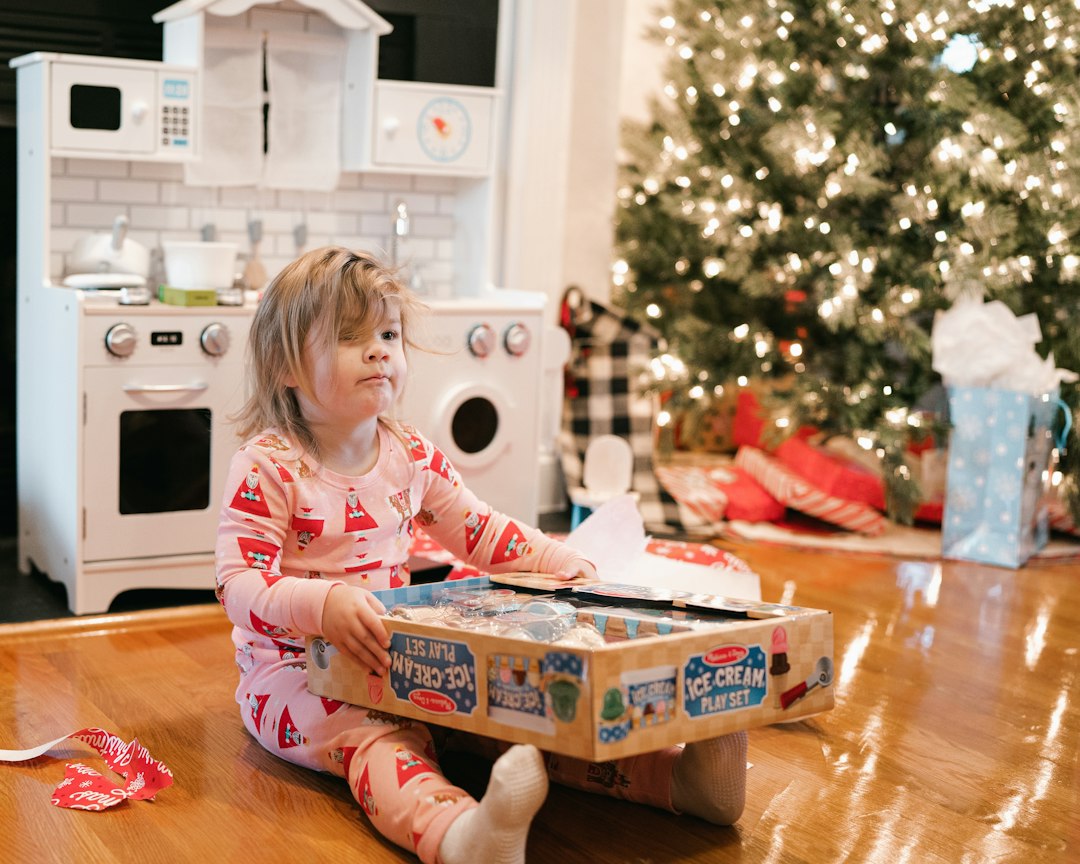
Pretend Play and Toys: The Essential Guide for Ages 0 to 6

Pretend play is the easiest way to help your child play independently, focus, and understand themselves better. Pretend play, also called imaginative play or pretend play, is the ability to act out real-life situations using objects, actions, or invented characters, like when a stick becomes a sword or a box becomes a kitchen. It emerges around 18 months and flourishes between ages 3 and 6.
In Summary
- Pretend play emerges around 18 months and becomes established between ages 3 and 6.
- A good pretend toy is open-ended, realistic, and can be used in many ways.
- Fewer, simpler toys support longer play sessions.
- Everyday routines and real objects are the best play materials.

How Does Pretend Play Work?
Pretend play happens when a child makes an object, action, or situation represent something it is not in that moment. The child assigns a new meaning to what is in front of them and sustains a make-believe scenario for a while. In doing so, they develop language, memory, mental flexibility, and emotional regulation.
To support them, offer simple materials and resist the urge to direct the play. The Association Montessori Internationale emphasizes that the adult prepares the environment and observes, while the child chooses their work. Join in only if invited, and follow their script rather than proposing your own.

10 Pretend Play Ideas for Home and the Classroom
Ten ideas that almost always work, organized by setting. You can set them up with materials you already have.
- Kitchen with boxes, lids, and napkins.
- Doctor’s office with a doll and a fabric bag.
- Supermarket with bags, a toy scale, and real labels.
- Home with a tablecloth, two cushions, and a flashlight.
- Train station with chairs in a row and a cardboard ticket.
- Hair salon in front of a mirror, with clips and ribbons.
- Picnic on a blanket, with real fruit.
- Construction site with blocks, hard hats, and a hand-drawn plan.
- Farm animals with a cardboard box and straw.
- Clothing shop with hangers, bags, and a mirror.

Activities That Build Representation Skills
Any activity that requires transforming one thing into another trains representation. The most powerful ones require buying nothing.
Example: Market Day
Imagine your child is four years old and one afternoon you set up a market in the living room. You hang three hangers from the table as an awning, set out four pieces of fruit, two fabric bags, and a cash register made of cardboard. For twenty minutes, your child is the shopkeeper and you shop, naming what you need. Then you switch roles. Afterwards, you just put the hangers away.
Example: Delivery Runs With a List
Imagine a five-year-old playing delivery driver. You give them a list with three drawings, a backpack, and a made-up address. They have to reach three points along the hallway, deliver a package, and come back. This game builds emergent reading, sequencing, and working memory, without anyone turning it into a lesson.
Types of Pretend Play
There are four main types: role play, symbolic object play, narrative fiction play, and cooperative social play. They are distinguished by what the child transforms, their own role, an object, a story, or their interaction with others.
Role play imitates professions and familiar scenes. Symbolic object play turns neutral things into tools. Narrative play builds stories with a beginning and an end. Cooperative play emerges around age four, when several children negotiate the distribution of roles.
Choosing Toys for the Preschool Classroom
The best materials for pretend play in the classroom are open-ended, realistic-looking, and combinable with each other. A wooden play kitchen with minimal accessories, dolls, fabrics, animals, baskets, wooden boxes, mirrors, and real cooking utensils allow for dozens of different uses.
Montessori advocated that classroom materials reflect reality rather than exaggerated fantasy, as documented by the Association Montessori Internationale. This does not cancel out imagination, it gives it a concrete foundation. Imagination is built on what is known.
Toy List by Age
- 18-24 months: two dolls, a blanket, two baskets, and a toy telephone.
- 2-3 years: a simple play kitchen, animals, fabrics, real utensils, and a toolbox.
- 3-4 years: simple dress-up clothes, play money, a scale, a notebook, and profession accessories.
- 4-6 years: open-ended play scenarios, role boards, building materials, and a small theater area.
Pretend Play Between Ages 3 and 6
Between ages 3 and 6, pretend play evolves from simple to complex: first the child imitates isolated scenes, then sustains long storylines, stable characters, and negotiated rules. This is the stage Montessori called the absorbent mind, in which the child learns from the entire environment.
In the Children’s House (ages 3-6) of our Montessori program, pretend play works alongside hands-on work with concrete materials. The two reinforce each other: free play organizes what the child has observed, and structured materials give them the vocabulary and precision to sustain it.
A Common Mistake, and How to Fix It
Typical mistake: buying a play kitchen, a supermarket, and a garage all in the same month. Within two weeks, the child rushes through them, spends ten minutes with each one, and asks for another new toy. The solution is to keep a single play scenario and rotate supporting materials every fifteen days.
Quick Checklist Before You Buy
- Can it be used in at least three different ways?
- Does it let the child lead the play?
- Can two children play with it at the same time?
- Does it fit in the space you already have?
Frequently Asked Questions
How does pretend play work?
Pretend play works when a child makes an object, action, or role represent something different from what it is in that moment. The child turns a stick into a sword or a box into a kitchen, and sustains that make-believe scenario for a while. It is best supported by offering open-ended materials and observing, without directing the script.
Can you give me 10 examples of pretend play?
Sure: kitchen, doctor’s office, supermarket, home, train station, hair salon, picnic, building construction, farm, and clothing shop. All are set up with everyday materials like boxes, fabrics, utensils, and dolls, and work for different ages by adjusting the complexity of the story.
What activities work well for pretend play?
The best activities transform an everyday space and object into a play scenario: setting up a market with hangers and fruit, writing a shopping list, preparing a picnic on a blanket, or playing shop with bags and real labels. They can be repeated by swapping the roles of the adult and the child.
What are the types of pretend play?
There are four main types: role play or imitating professions, symbolic object play, narrative fiction play, and cooperative social play. They differ by what the child transforms, their own role, an object, a story, or their interaction with other children.
How many toys does a child need for pretend play?
One or two open-ended play scenarios with five or six accessories is more than enough. Too many toys shorten play sessions, because the child moves on before going deep. Rotating the materials every two weeks keeps the interest alive without buying more.









