María Montessori and her legacy
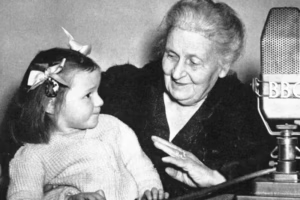
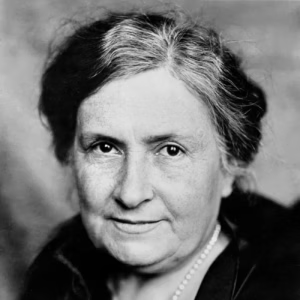
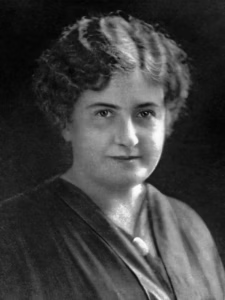
María Montessori (1870-1952) was one of the first female physicians in Italy and a revolutionary educator. Her deep insight into childhood transformed how learning is understood: no longer as knowledge transmission, but as a natural, spontaneous and profoundly human process.
When children encounter a prepared environment, beautiful materials and a respectful guide, they unfold an innate capacity to concentrate, self-discipline and discover the world with wonder. Her legacy continues to inspire educational communities across the globe.
Our history
In 2001 I opened my first educational centre in San Roque, which evolved over time. In my constant search for improvement I discovered María Montessori, and with her a completely new way of seeing the child and education: the child at the centre of the learning process.
In 2015 we opened Nanitos Montessori in Sotomarket, Sotogrande: the seed of what is today International Montessori School. The method transformed my educational vision, beyond the academic, it is education for life.
At IMS your child will grow feeling heard, valued and safe, ready to transform the world with their own voice.
Olimpia Tardá, Fundadora
Unlocking the child's potential
To unlock the child's potential so they can change the world. We believe every child has unique talents that can blossom when the adults who accompany them create the right environment. We are committed to providing an authentic, contemporary Montessori learning experience in which each child is respected in their uniqueness and can flourish at their own pace, discovering their passion and fulfilling their full potential.
A Montessori benchmark
To become a benchmark in Montessori education and the first International School in the Campo de Gibraltar to merge Montessori pedagogy with international and national educational programmes, guaranteeing our students an integral education that goes beyond the academic to become education for life.
Our distinctive approach
Four elements that shape the IMS experience, beyond the Montessori framework shared with other schools.
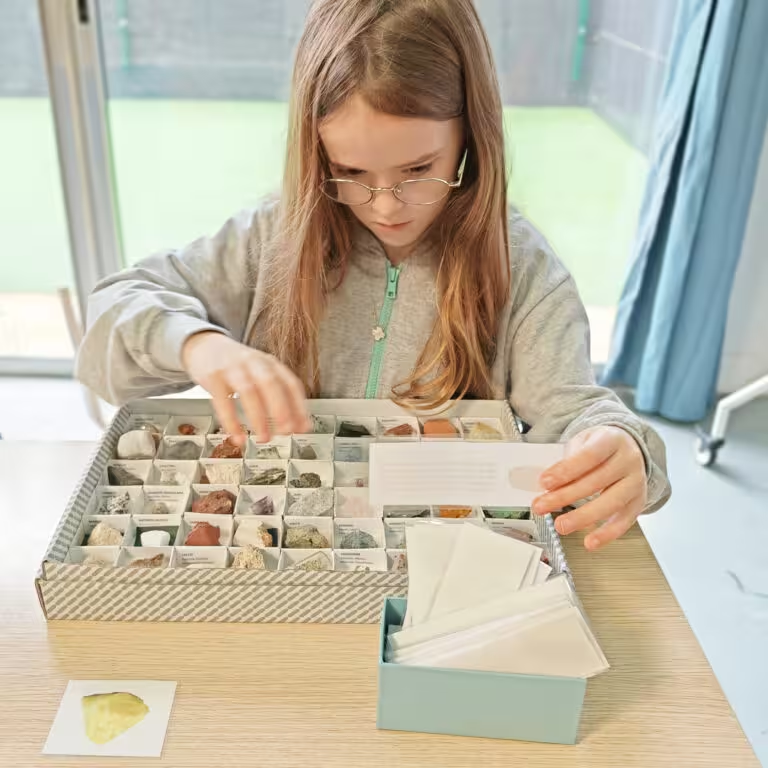
Project-based learning
Children deeply explore topics that spark their interest through observation, research, experimentation and creation. Projects arise from their own questions.
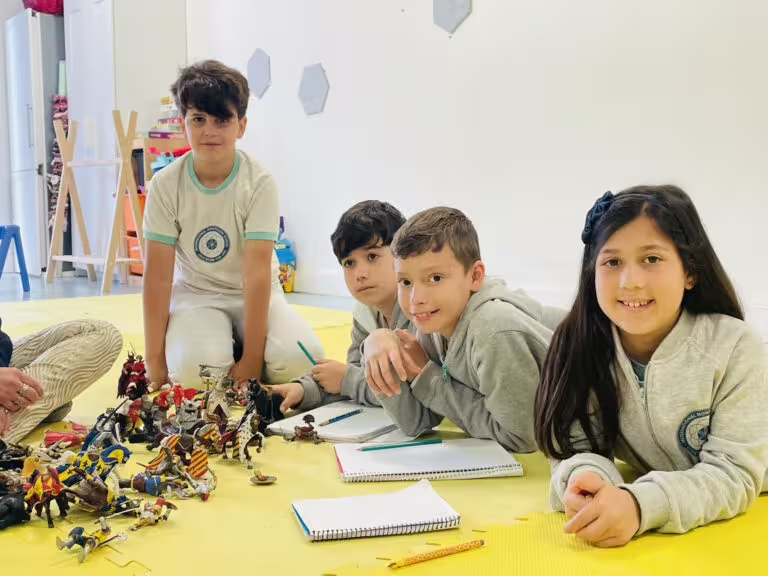
Family-like environment
A warm, welcoming environment where every child feels seen, heard, safe and valued. This sense of belonging builds self-confidence: the perfect foundation for meaningful learning.
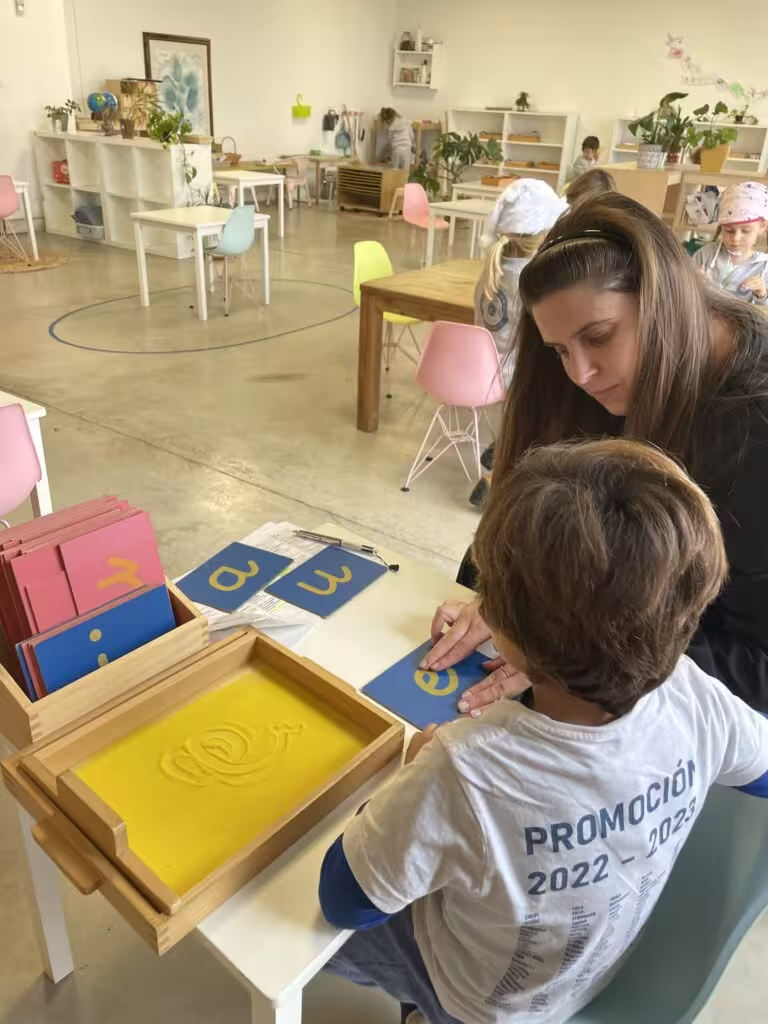
Committed educational team
We combine solid academic training with specific Montessori method training. Educators who go beyond the conventional, convinced that education has the power to transform the world.
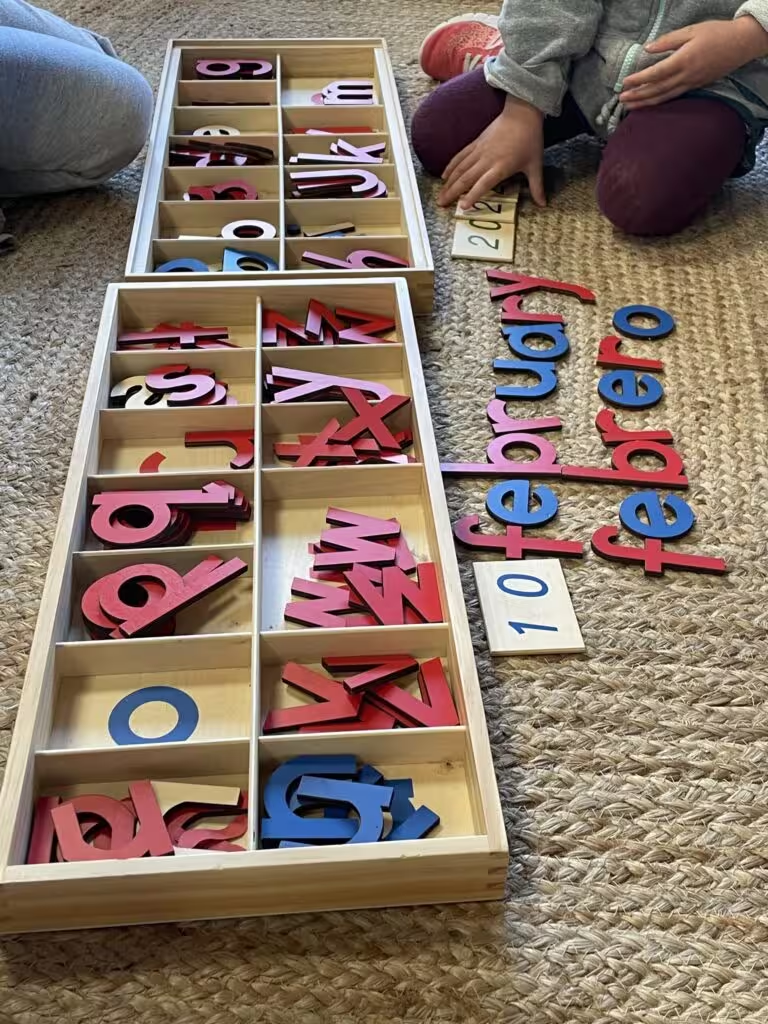
Bilingual learning
Children are immersed in Spanish and English through natural, meaningful interactions. Language is learned organically, in lessons, play and routines, fostering fluency, cultural awareness and confidence.
Montessori Pedagogy
Montessori education is grounded in a scientific pedagogy centred on the child's integral development, respecting individual rhythms and fostering autonomy within a carefully prepared environment.
Core principles of the method
Child-centred education
In Montessori we don't ask the child to adapt to the system: we adapt the system to each child. With curiosity as guide and respect as foundation, every student follows their own path.
Autonomy and active learning
Children learn by doing. Freedom to choose within a structured environment fosters independence, decision-making and personal responsibility from an early age.
Prepared environment
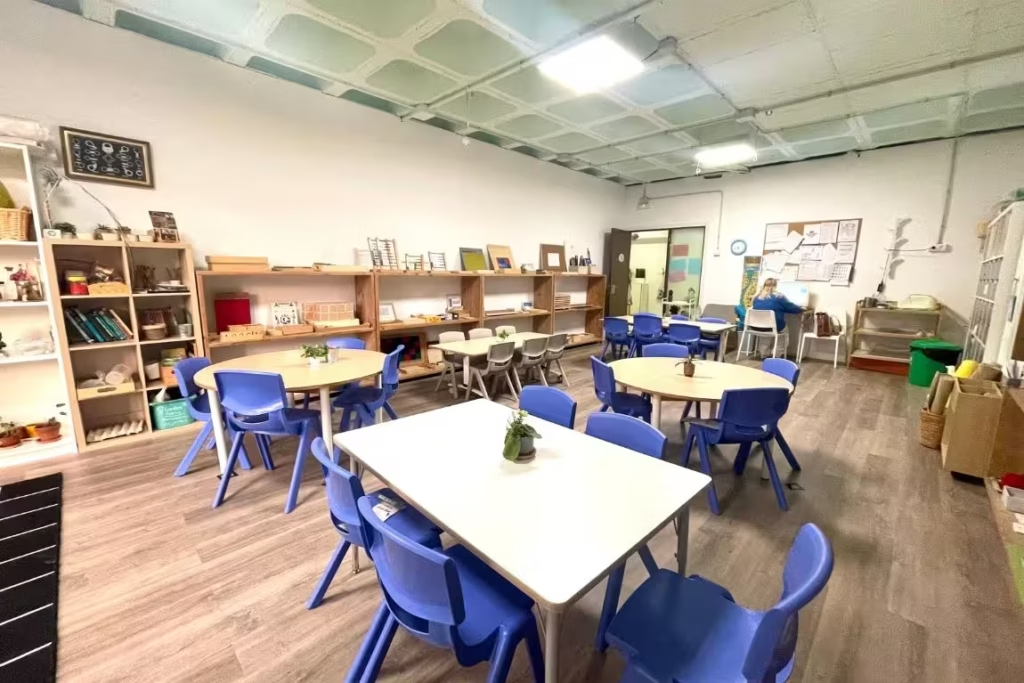
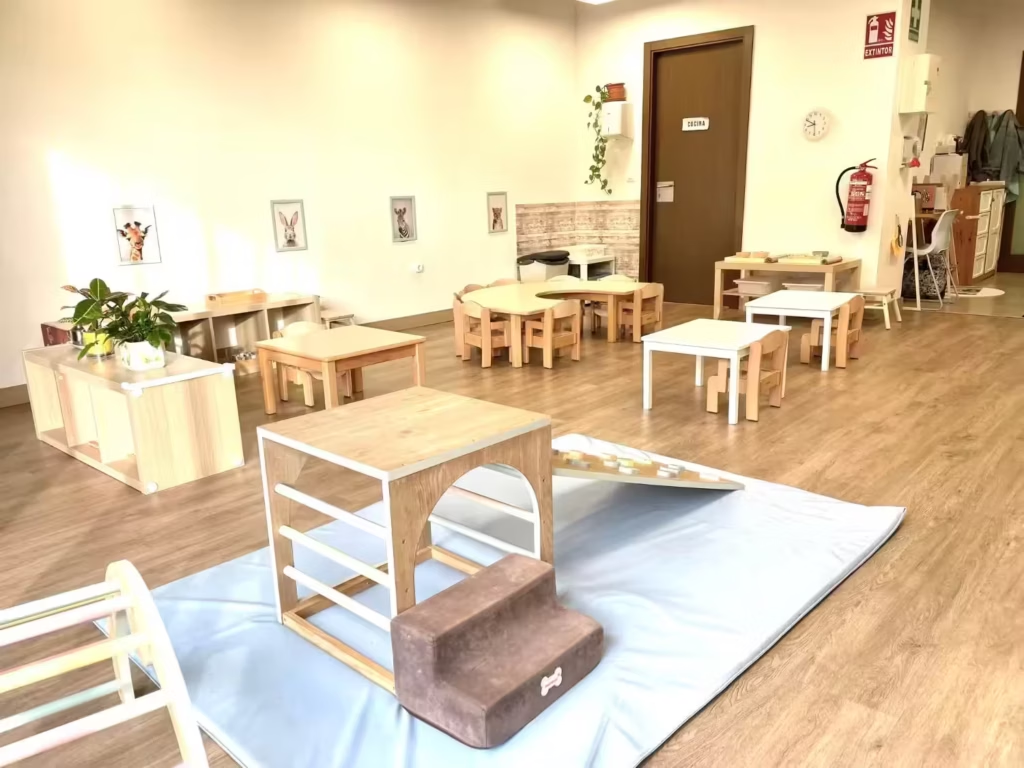
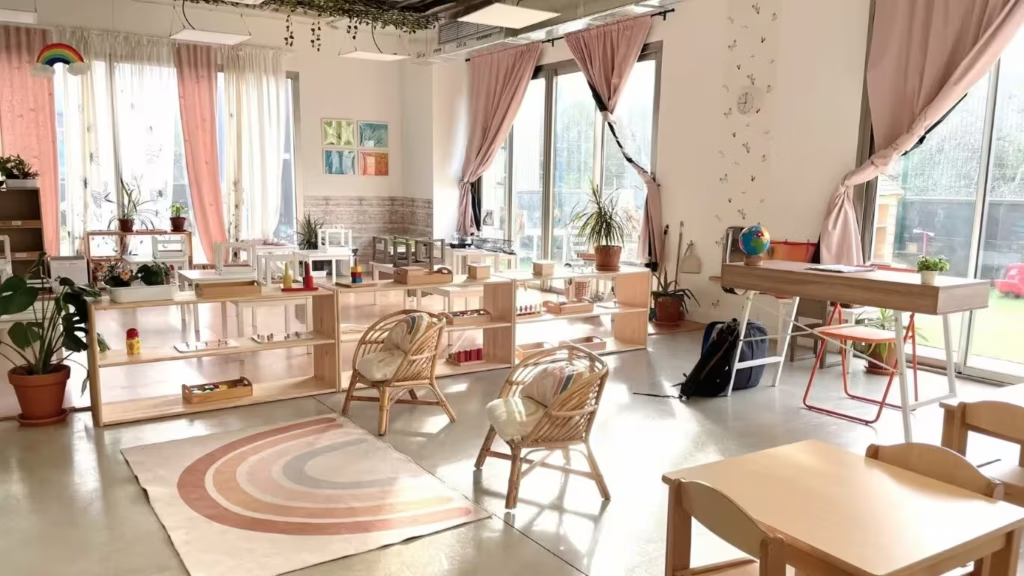
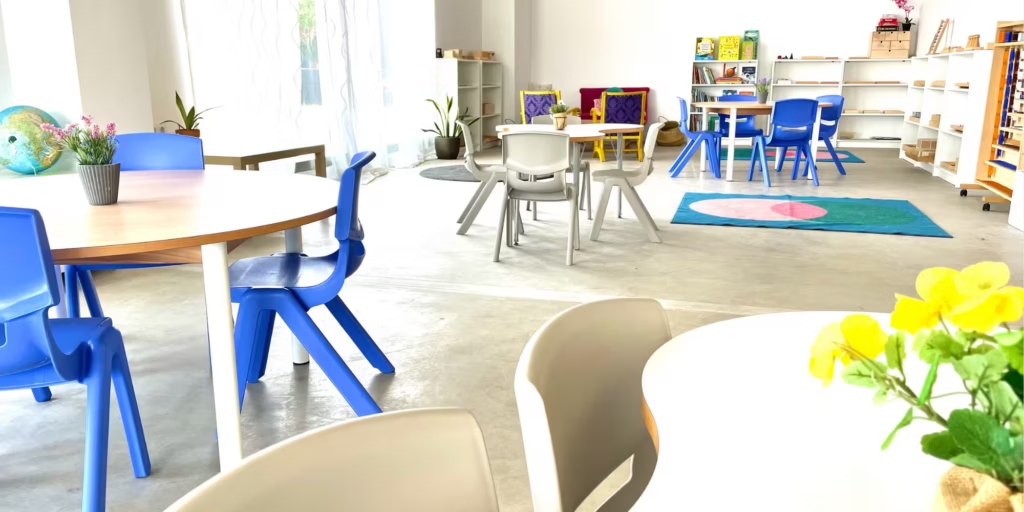
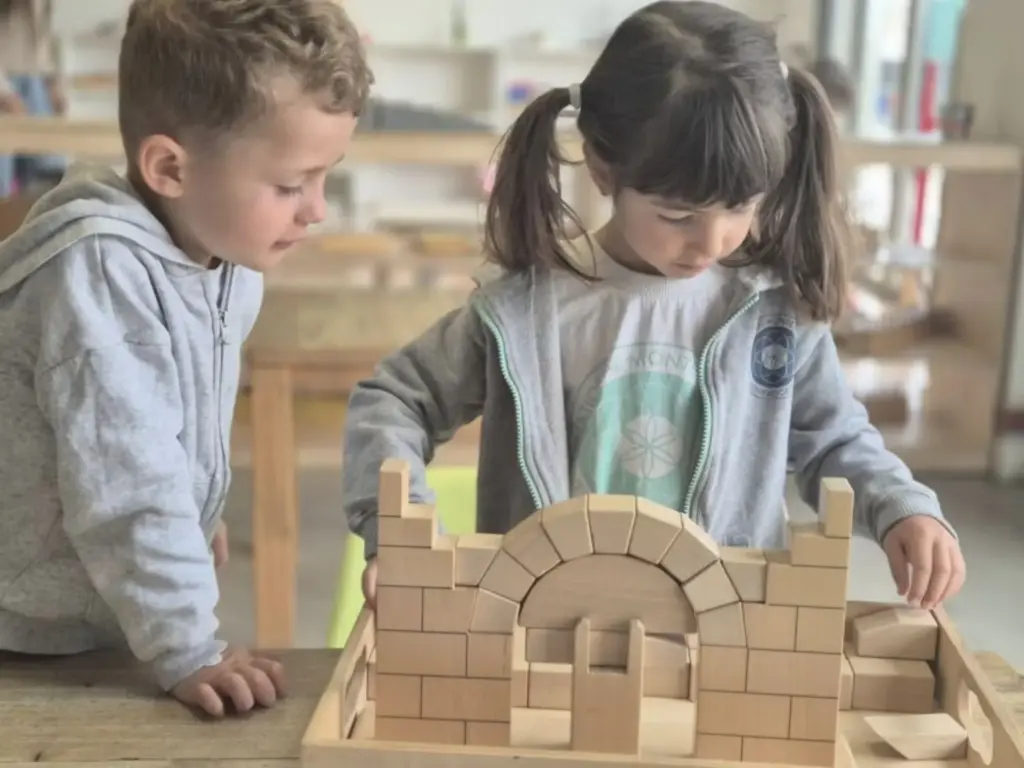
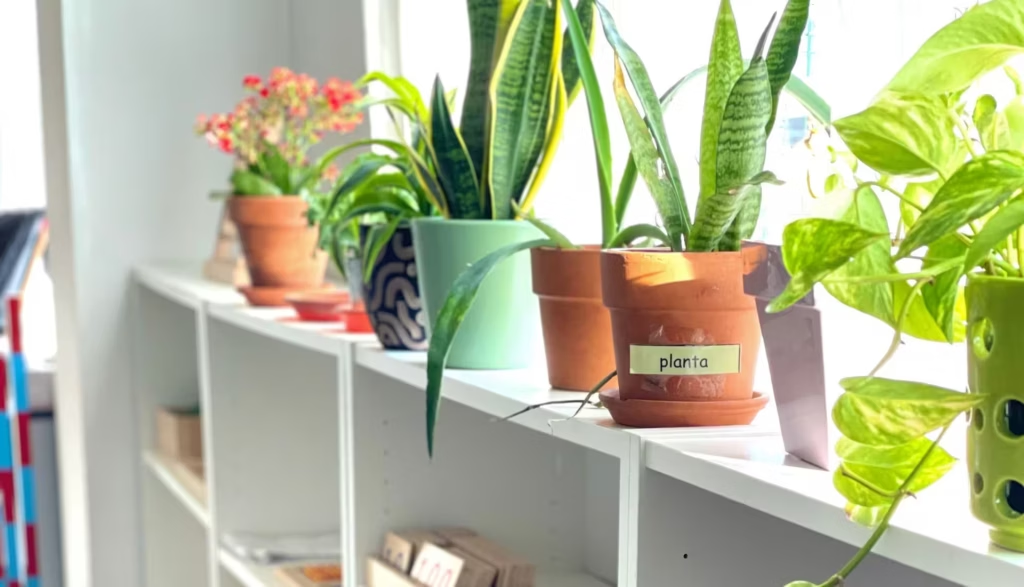
The Montessori classroom is designed in detail to favour exploration, order, concentration and free movement. Every element serves a clear educational purpose.
The adult as guide
The adult observes attentively, identifies needs and accompanies each child's process. They create opportunities for the child to explore, discover and learn, fostering confidence and critical thinking.
Montessori materials
Scientifically designed to support the child's natural development. Manipulative, sensory and self-correcting: they invite experimenting, discovering and learning through action.
Mixed-age classrooms
They bring together children of different ages, three-year cycles, fostering collaboration, empathy and natural leadership. Older children consolidate by accompanying the younger. The younger learn by observing the older.
Our facilities
Bright classrooms, accessible materials and outdoor corners thoughtfully designed to the child's measure.