
Montessori Plant and Animal Activities for Children Ages 3 to 6

Montessori plant and animal activities for children ages 3 to 6 are a gateway to the natural world. In the second plane of development, children absorb sensory information and develop ecological awareness. At IMS Sotogrande, these experiences are part of everyday life in our Children’s House program, where each activity is designed to satisfy the child’s innate curiosity. Here we share how to implement them and why they are essential for holistic development.
Why are plant and animal activities important in Montessori?
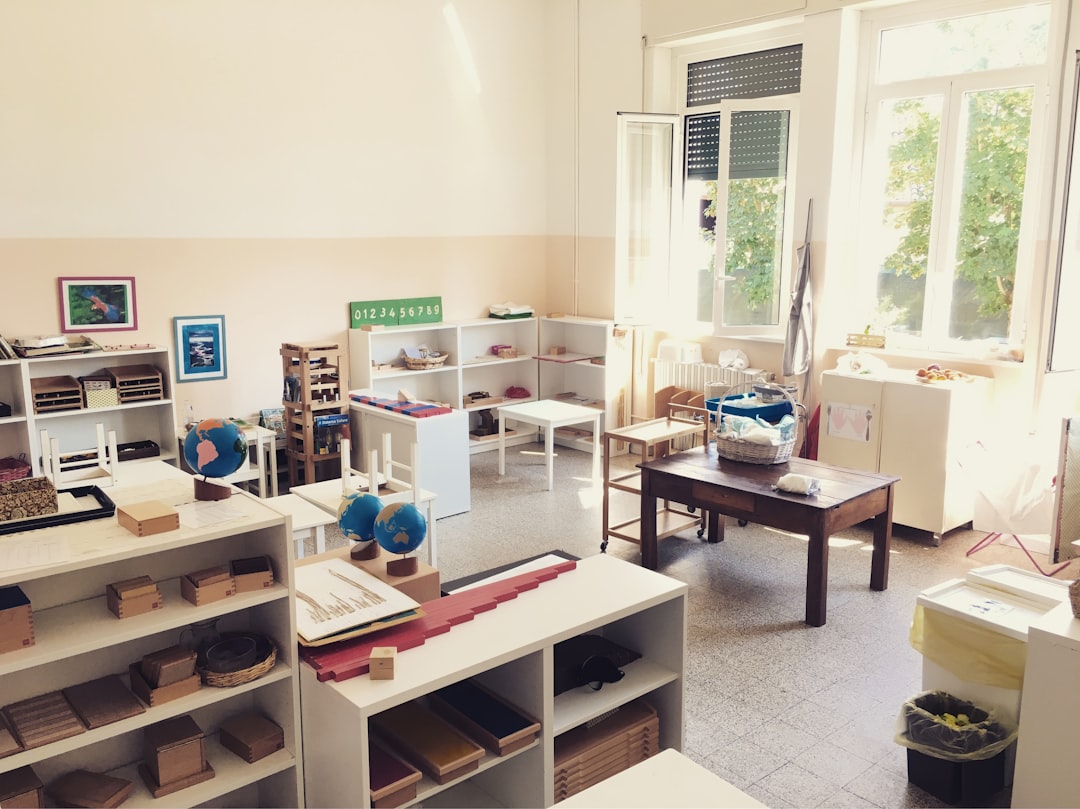
Maria Montessori observed that young children have a special sensitivity toward nature, a sensitive period that manifests between ages 3 and 6. By caring for a plant or animal, they learn responsibility, patience, and respect. Additionally, these activities integrate multiple areas: language (names of species with nomenclature cards), math (counting petals or legs), science (life cycle of a butterfly), and fine motor skills (watering without spilling or using tweezers for transplanting). In our school, guides meticulously prepare the environment with real plants—such as mint or succulents—and, if possible, pets like betta fish or snails, always supervising interaction to ensure everyone’s well-being.
A recent study from Stanford University (2019) indicates that children who participate in caring for living things in the classroom show 30% more socio-emotional skills. At IMS Sotogrande, we see it daily: children who water their plants are also the first to offer help to a peer.

Examples of Montessori activities for plants
Classification of leaves and seeds
A classic activity is to present a tray with different types of leaves or seeds. The child classifies them by shape, size, color, or texture. This develops observation skills and vocabulary. In our classroom, we use real materials from the garden and nomenclature cards with names in Spanish, English, and German, supporting trilingualism. For example, an oak leaf alongside a laurel leaf. A case with magnifying glasses and tweezers can also be offered for handling without damage.
Caring for indoor plants
Assigning a plant to each child fosters autonomy. We teach them to water, clean leaves with a damp cloth, and detect signs of illness, such as yellow leaves. This activity also includes a daily record: a drawing of the plant with a simple note like “needs water today” or “a new leaf has grown.” Thus we combine science and emergent writing. A variation is to plant radish seeds in transparent cups to observe root growth. Children measure the stem each week with a ruler and record it in a table.
The life cycle of a plant
With a tray including a pot, soil, seeds (e.g., beans), and a small watering can, the child can sow and observe each stage. Guides complement with sequence cards: seed, germination, seedling, adult plant, flower, fruit. In our school, children keep a growth diary and compare their plant with a peer’s, learning to respect different rhythms.

Montessori activities with animals
Observing insects in a terrarium
A terrarium with ants or silkworms allows children to study animal behavior without harming them. They use magnifying glasses and draw what they see. At IMS Sotogrande, we have a nature corner with insects that change with the seasons: spring with silkworms, summer with crickets. Children learn to respect even the smallest creatures. A complementary activity is building a terrarium step by step: placing sand, small plants, and a water source, all supervised by the guide.
Caring for a classroom pet
If possible, having a fish or hamster teaches feeding and cleaning routines. Children take turns with tasks: some feed, others change the water (with adult help), and others record on a calendar whether the animal has eaten or slept. They learn to read the animal’s signals: “it’s sleeping,” “it wants to eat.” This experience is invaluable for developing empathy. For example, when a fish gets sick, children discuss what to do, and the guide guides research on care.
Birdwatching from the classroom
Placing a bird feeder near the classroom window allows observation of different species. Children identify birds by color and size using illustrated guides. They can also keep a log of how many times birds visit each day, integrating math and science. In our school, this activity is especially popular during fall and winter, when birds come closer.
The role of the guide in these activities
The Montessori guide presents the activities clearly and then steps back, allowing the child to explore. They do not directly correct errors but offer more opportunities for practice. For example, if a child overwaters, the guide might show how the plant wilts and discuss balance: “Look, the leaves are drooping. What do you think needs less water?” In our school, guides are AMI-trained and know the progression of these activities from ages 3 to 6. They also document each activity in an individual record, noting which child has completed leaf classification or planted seeds, to plan next steps.
Long-term benefits
Children who participate in these activities often develop greater environmental awareness. They learn that plants and animals are living beings that need regular care. They also improve concentration and hand-eye coordination. At IMS Sotogrande, we see how children transfer these habits home: many ask for a garden or a pet after experiencing it in the classroom. A study from the University of Colorado (2020) found that children exposed to plant care activities in early childhood show 25% more interest in science in elementary school. Additionally, these experiences boost self-esteem: when a child sees their plant bloom, they feel pride and competence.
How to integrate these activities at home
Parents can continue the learning by offering a small nature corner at home. A pot with aromatic herbs (mint, basil), a bird feeder by the window, or a small aquarium are sufficient. The key is to let the child participate actively, without rushing. Avoid toxic plants like dieffenbachia or peace lily if there is risk of ingestion, and always supervise contact with animals. If your child attends our school, the guides will advise on which activities to do based on their level and lend materials like nomenclature cards or a care calendar.
A simple routine: each morning, the child can water their plant (with a small watering can), check for dry leaves, and note the size in a notebook. On weekends, they can visit a pet store or nursery to expand vocabulary. Remember, the goal is not perfection but connection with nature.
Frequently asked questions
At what age can children start caring for plants?
From age 3, they can water with a small watering can and clean leaves. At 4-5, they already identify plant parts and record growth changes. At IMS Sotogrande, we adapt the activity to each child: some prefer fast-growing seeds like radishes, others cacti that require less attention.
What animals are recommended for a Montessori classroom?
The most common are fish (betta or goldfish), snails, silkworms, and ants. Avoid animals that require constant handling or may become stressed, such as hamsters and guinea pigs if the environment is noisy. Always consult with the guide before introducing a pet. In our school, we have a care protocol and rotation so each animal receives attention.
How to handle a child who is afraid of insects?
Respect their fear and offer observation from a distance, for example through a magnifying glass or a large photo. Over time, and by watching other peers, they usually overcome the fear. Never force contact. In our school, guides model a calm and curious attitude, and often the child dares to touch a snail after a few weeks.
Key takeaways
Montessori plant and animal activities for children ages 3 to 6 are much more than a pastime: they build a foundation of respect for life and the environment. In the classroom, the prepared environment and expert guidance are essential for the child to benefit fully. If you want your child to experience these activities in a trilingual and AMI-accredited setting, we invite you to visit us.
At IMS Sotogrande, our Children’s House program (ages 3-6) includes all these activities within a flexible schedule, with access to a natural garden and authentic Montessori materials. For more information or to book a visit, call +34 653 04 17 39 or write to [email protected]. We would be happy to show you how our children grow connected to nature and themselves.









