
Montessori Feeding for 1-Year-Olds: What to Feed & How to Foster Independence
In short
If you have a little one turning one, questions about what a 1-year-old can eat probably pop into your head every time you set the table. Complementary feeding gives way to a stage where your child can participate much more actively. In Montessori, this phase is a golden opportunity to practice practical life skills that build confidence and real independence.
If you have a little one turning one, questions about what a 1-year-old can eat probably pop into your head every time you set the table. Complementary feeding gives way to a stage where your child can participate much more actively. In Montessori, this phase is a golden opportunity to practice practical life skills that build confidence and real independence. In this article we explore Montessori feeding 1 year old in depth with practical examples.
A 12-month-old can eat practically the same as the rest of the family, as long as we adapt textures, sizes, and presentations. Forget purees as the only option. Soft, safe finger foods are their best friends now. In the Nido classroom at IMS Sotogrande, children sit at the table with their classmates and serve themselves pieces of fruit, cooked vegetables, egg, or pasta. They love that independence. When it comes to Montessori feeding 1 year old, it pays to listen to what families and lead guides actually report.
The Montessori approach to food starts with a premise: the child is capable of doing it themselves if we prepare the environment. It’s not about them magically eating without help, but about offering the right tools, unbreakable plates, adapted utensils, and a space where they can explore without hurry or scolding. Daily practice with Montessori feeding 1 year old reveals nuances no handbook fully captures.
What a 1-Year-Old Can Eat: Safe and Nutritious Foods
At 12 months, the digestive system already tolerates most foods. That said, keep away clear dangers: whole nuts, popcorn, grapes unless cut lengthwise, hard raw vegetable chunks, or fish with bones. Everything else, well prepared, is welcome. Understanding Montessori feeding 1 year old from inside the classroom reshapes everyday decisions.
Key nutrients now are iron, healthy fats, calcium, and protein. So prioritize foods like cooked legumes (red lentils, smooth hummus), scrambled eggs or omelet, flaked small oily fish, plain unsweetened yogurt, avocado, ripe banana, quinoa, or whole grains in the form of mini meatballs or balls. All presented in small pieces they can pick up with their hands. Concrete data on Montessori feeding 1 year old is worth reviewing before acting on assumptions.
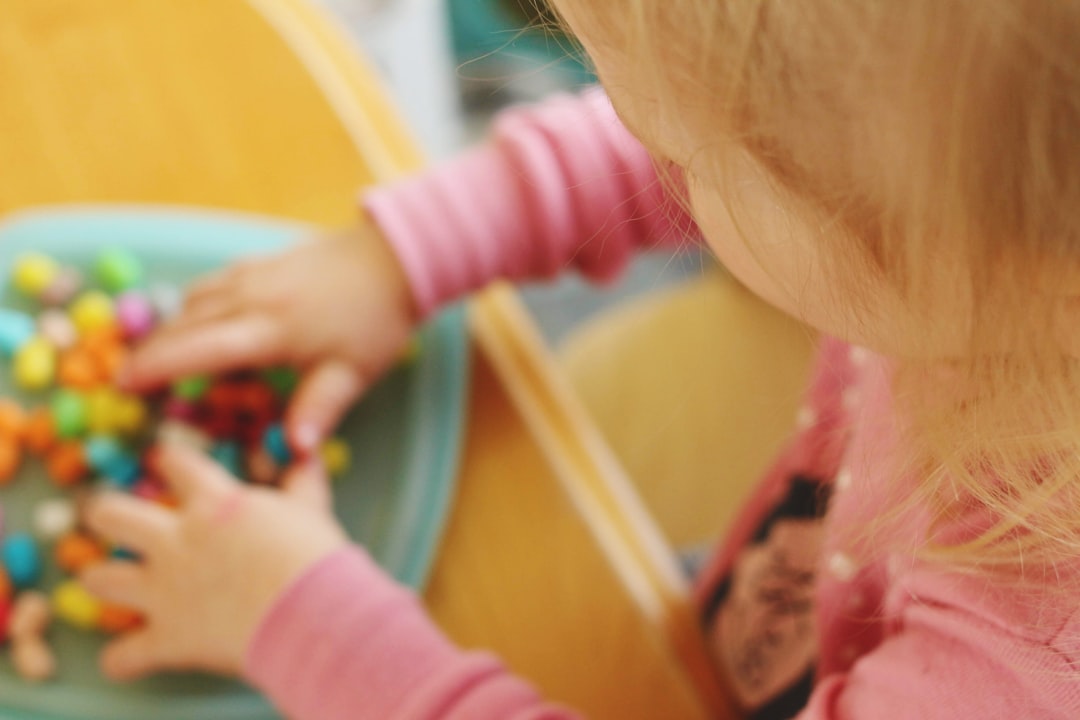
A great idea is to create an “explorer tray” with several sections: a banana finger, half a broccoli and quinoa croquette, a pile of omelet strips, and a couple of wedges of ripe pear. The child chooses, tastes, and decides how much of each to eat. No pressure. Montessori talks about the “internal appetite control”: the child knows when they are full. Our role is to trust.
How to Foster Independence at the Table from Year One
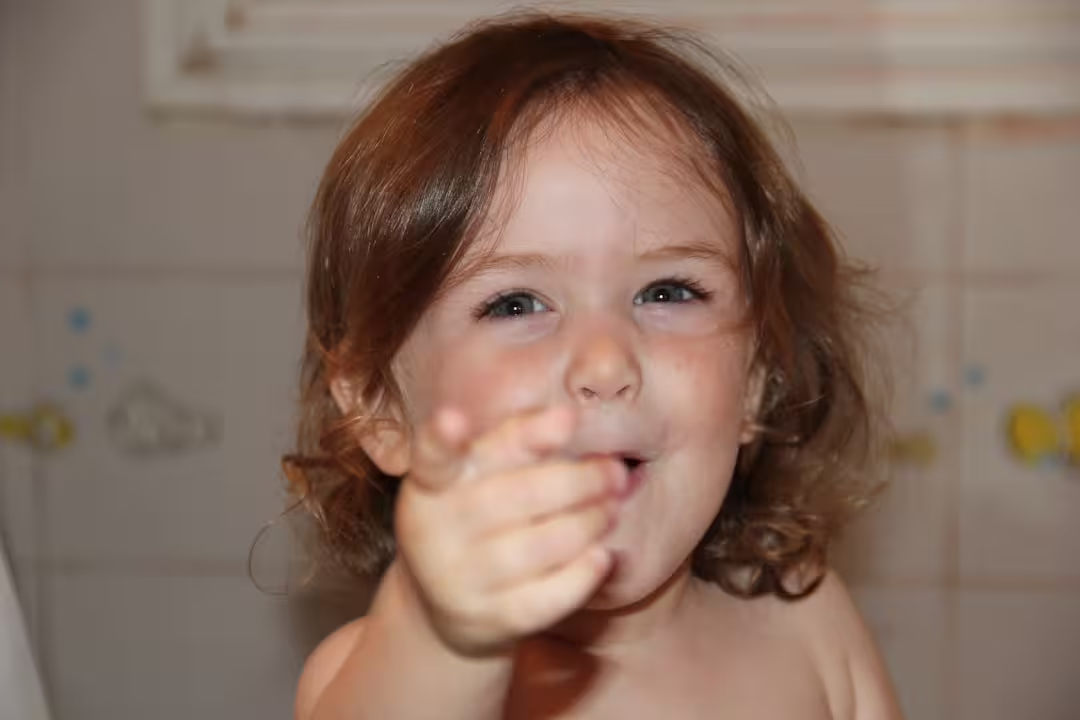
Independence is not postponed until three years old. A 12-month-old already wants to participate. Give them a short-handled spoon and watch how they try to bring it to their mouth, even if at first more food lands on the bib than in the stomach. Each attempt strengthens their hand-eye coordination and willpower.
Instead of high chairs with trays, Montessori suggests low tables and chairs that allow them to sit with feet flat on the floor. When the child is tired, they can get up. Mealtime is not a battle. Also, setting up the environment includes a drawer within reach with their cup, plate, and utensils, so they can get them themselves when it’s time to set the table. If you worry about mess, use a washable plastic tablecloth and dress them in comfortable clothes.
In the Nido environment at IMS Sotogrande, children pour their own water from small real glass pitchers (yes, real, no plastic) and learn to wipe up spills with a cloth. This daily ritual builds huge confidence. If you want to see how we work on independence through food at our Montessori school in Sotogrande, book a personal visit.
What to Avoid in a 1-Year-Old’s Diet
There is a short but important list of foods that shouldn’t appear on a 1-year-old’s plate: added sugars, excess salt, honey (until age two due to risk of infant botulism), ultra-processed foods, sugary drinks, and of course anything that could be a choking hazard without the right texture. Safety first.
Also avoid using food as a reward or punishment. Eating healthy is not a moral obligation. It’s a habit that is copied. If the adults around enjoy a colorful salad or a vegetable puree, the child will want to join in. The family table without screens and without rush is the best nutritional school.
How to Present Food So It Appeals
Presentation matters. Use plain plates, neutral colors, and small spaced-out portions. If the plate is too full, the child gets overwhelmed and dumps everything on the floor. Better to put a spoonful of each food and, when they finish, offer more. This also trains their sense of quantity and respect for food.
Serving in “fingers” or “sticks” works wonders: steamed zucchini sticks, fresh cheese strips, omelet cut into rectangles. Hands are their first utensils. As their pincer grasp matures, add small cooked rice balls or well-mashed peas they can pick up with index finger and thumb.
Routines, Tantrums, and the Adult’s Role
The one-year-old is going through the sensitive period for order. They need predictable routines. Eating at the same time, in the same place, and with the same people gives them security. Tantrums over a new food are not rejection but natural caution. The key is to offer without forcing, again and again, without drama. They may need to see a food up to fifteen times before trying it.
As adults, we model. If they see us eating broccoli naturally, they will eventually imitate us. Patience is the great Montessori tool. Breathe, trust, and above all, don’t compare. Each child has their own pace, and at the table it shows as much as in any other learning.
At IMS Sotogrande we support families in this stage with respectful feeding workshops as part of our “Acompañando-te” program, and in the Nido classroom the guides model utensil use and table calm every day. If you have questions about what a 1-year-old can eat in a Montessori context, write to us at [email protected] or call +34 653 04 17 39. We’d love to help.
Frequently Asked Questions
Can a 1-year-old eat the same as adults?
Yes, practically everything, minus salt, added sugars, and choking hazards. Adapt textures and offer in safe pieces. The child joins the family meal, which is exactly what Montessori seeks: feeling part of the clan.
When are they ready for utensils?
Around 12 months they start reaching for the spoon. Be patient: they will use it clumsily at first. Always offer an adapted spoon and let them explore without pressure. By 18-24 months they refine their skills quite a bit.
What if my child throws food on the floor repeatedly?
It’s part of sensory exploration and understanding cause and effect. Put small amounts on the plate, and if they throw, say calmly: “I see you’re done.” Remove the plate without anger and wait for the next meal. Consistent love is the answer.
Should I worry if they eat very little?
No, if they are healthy, active, and gaining weight according to their curve. Children self-regulate their intake much better than adults. Trust their appetite and avoid chasing them with the spoon. Struggle creates rejection.
Key Takeaways
What a 1-year-old can eat is not a closed list, but an invitation to explore the table together. In Montessori, eating is much more than nourishing: it’s an act of independence, connection with family, and sensory discovery. Prepare the environment, offer real food, and trust.
If this approach resonates with you and you want to experience it firsthand, we invite you to visit our Nido environment at IMS Sotogrande. Observe how the youngest children sit, serve themselves, and enjoy food with a naturalness that will surprise you. Because independence starts on the plate every day.









