
Toddler Won’t Eat? Montessori Tips for Picky Eaters | International Montessori School Sotogrande, Costa del Sol
In short
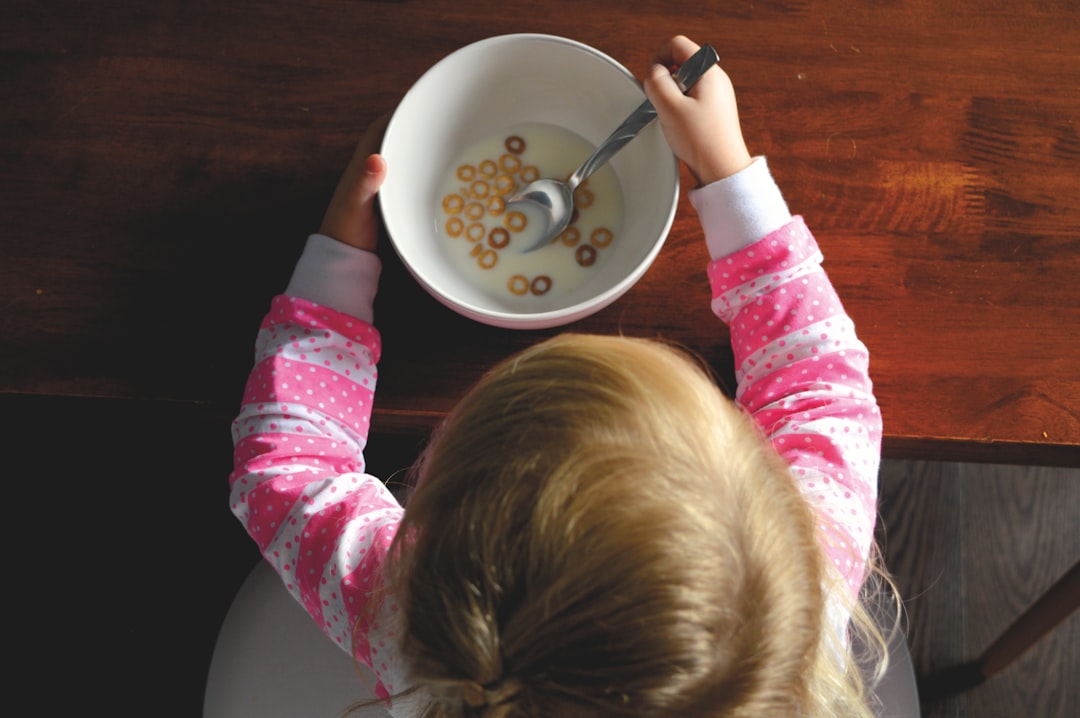
If you’re wondering what to do when your toddler won’t eat, take a deep breath: it’s not your fault or your child’s. From the Montessori pedagogy, mealtime is a learning opportunity and a chance to connect, never a battleground.
Toddler Won’t Eat? The Montessori Perspective
If you’re wondering what to do when your toddler won’t eat , take a deep breath: it’s not your fault or your child’s. From the Montessori pedagogy, mealtime is a learning opportunity and a chance to connect, never a battleground. Maria Montessori called the table a “laboratory of practical life,” where the child develops independence, makes choices, and listens to bodily signals. That’s why, before looking for tricks to make them eat more, it’s best to observe and trust. In this article we explore Montessori picky eater in depth with practical examples.
Food refusal is often a normal developmental phase, especially between 12 months and 4 years, known as food neophobia. Your child is exploring the world and testing limits. Instead of seeing it as defiance, in Montessori we view it as an expression of their growing will. The Association Montessori Internationale (AMI) reminds us that adults should be calm guides who prepare the environment and trust the child’s innate ability to self-regulate. When it comes to Montessori picky eater, it pays to listen to what families and lead guides actually report.
In our Infant Community (0-3) at IMS Sotogrande, children learn to drink from open cups and use real utensils. No bottles or high chairs with harnesses: freedom of movement extends to the table. This trust in their abilities empowers children to try new foods without fear. Daily practice with Montessori picky eater reveals nuances no handbook fully captures.

The Adult’s Role: Prepare, Offer, and Trust
Many families, when searching for what to do when a toddler won’t eat , end up forcing, bargaining, or hiding foods. The Montessori method proposes a radical shift: the adult doesn’t control how much the child eats, only responsible for preparing a pleasant environment, offering healthy foods, and trusting that the child will eat what their body needs.
Prepare means choosing quality ingredients and presenting them on a nice table with child-sized utensils. Even a two-year-old can set their placemat or arrange napkins. Offer means providing small, varied portions without insisting. And trust is the hardest part, but essential: if a child senses your anxiety, they’ll notice and may use food as a power tool.
The Adult as a Model
Children learn by imitating. If they see you enjoy meals, talk calmly, and try a variety of foods, they will too. Eat together whenever possible. If you snack while cooking or eat on your phone, don’t expect your child to sit quietly at the table. Be the example you want to see.
If you’re looking for an environment that respects your child’s natural rhythm in all areas, including eating, book a personalized visit to our school. At IMS Sotogrande, practical life is part of the daily routine, and the dining room is another learning space.

Respectful Strategies: What to Do When Your Toddler Won’t Eat
Here are some home-friendly ideas based on Montessori principles of practical life and grace and courtesy. These aren’t magic solutions but a way to build respectful habits.
Clear Rituals and Boundaries
Children need to know what to expect. Set fixed meal times and create a routine: wash hands, set the table, sit together. Turn off screens and let mealtime be a space for conversation. If a child gets up, calmly remind them it’s time to eat and if they leave, we understand they’re not hungry. Maria Montessori said, “Freedom has a limit in the collective interest,” and sharing the table is one of those limits.
Independence at the Table
From the start, children can participate. Provide a small pitcher of water so they can pour their own, use adapted utensils, and let them pick up food with their hands if needed. Mess is part of learning. Avoid grabbing the spoon or feeding them. The more independence, the more motivation to try new foods.
Attractive Presentation, No Pressure
Serve food on small plates with small portions. This prevents overwhelm and lets them ask for more if they want. Arrange different foods in compartments (bento-style) and let them explore textures and colors. Never say “just one more bite” or bribe with dessert: that turns food into a trade.
A 2019 review in Nutrients confirmed that authoritarian feeding practices are linked to more food neophobia and less dietary variety in childhood. In Montessori, we’ve always known that pressure doesn’t educate.
Common Mistakes (and How to Avoid Them)
When a child won’t eat, adults often fall into automatic traps. Here are three common mistakes and their Montessori alternatives:
- Force or bribe: “Eat or no park.” This creates stress. Instead, respect their hunger and trust that a healthy child won’t starve themselves.
- Hide or trick: “He won’t notice the tomato.” Besides breaking trust, it prevents them from learning to manage preferences. Offer vegetables as they are and accept if they’re rejected today.
- Turn it into a show: Distract with screens, airplane games, or songs. The child doesn’t connect with fullness. Montessori aims for the opposite: mindful eating.
Frequently Asked Questions
Is it normal for a child to refuse food for several days in a row?
Yes, it’s completely normal. Children’s appetites fluctuate naturally with growth spurts. If they’re active and energetic, there’s nothing to worry about. Keep offering healthy options at meal times and avoid filling gaps with snacks. Trusting their internal clock is key to what to do when a toddler won’t eat .
Can I give them something different if they don’t like what I’ve prepared?
Montessori recommends not becoming a short-order cook. Prepare a family meal and ensure there’s always something you know they like (like bread, fruit, or cheese). This way, without pressure, they’ll broaden their palate when they feel safe.
Do Montessori children really learn to eat independently early?
Yes. From our Nido (0-3) class, we encourage independence: they pour water, use real utensils, and learn to respect meal times. This prepared environment reduces food refusal because the child feels capable and in control of their choices at the table.
Key Takeaways
Next time you wonder what to do when your toddler won’t eat, remember: your role is to prepare a calm environment and trust their inner wisdom. Mealtime is not a measure of your parenting. It’s an act of love, not control.
If you’re seeking an educational community that respects your child’s natural rhythm in all areas, from eating to learning, we invite you to discover our school. At IMS Sotogrande, every space is designed to help your little one reach their full potential.









