
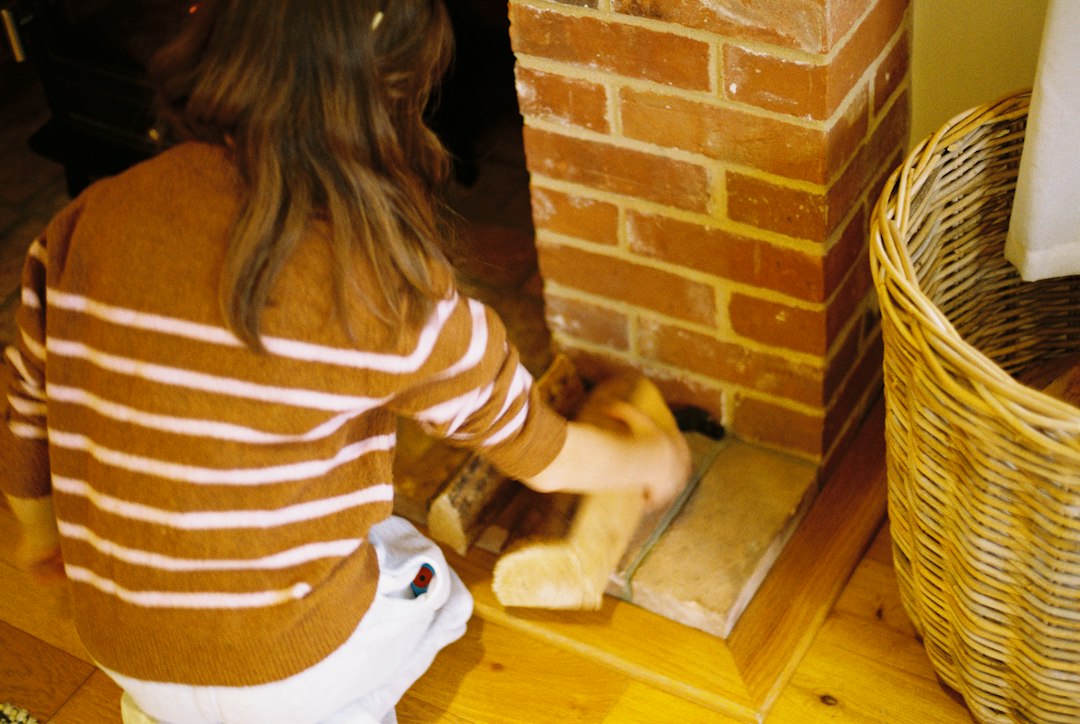
Montessori activities for 18-month-olds: 9 ideas that actually work

Montessori activities for 18-month-olds are simple, short and built for repetition using real objects. At 18 months your toddler learns through their hands: fitting things together, pouring, screwing and sorting. There are no flashing lights or batteries required. What you need are age-appropriate materials and an adult who observes before stepping in. That is enough to fill the afternoons with genuine learning.
In a nutshell
- Choose activities that work on one skill at a time: fitting, pouring, transferring, rolling and sorting.
- Keep the difficulty right: objects 3 to 5 cm across, easy-to-grip handles and a maximum of two or three pieces.
- Leave the material on a shelf at their height and put everything else away. Free choice multiplies concentration.
- The most common mistake is buying toys that are too complex. They hold attention for two minutes and end up at the back of a drawer.

What an 18-month-old is looking for when they play
At a year and a half your child is going through what Montessori called the age of the hands: repeating precise movements to build their brain. Hand-eye coordination, the pincer grip and independence all advance rapidly during this stretch.
The Association Montessori Internationale insists on giving the child a prepared environment. In practice, that means objects they can use without help and orderly shelves where everything has its place.

Montessori activities for 18-month-olds by skill
This chart sorts nine ideas by what they train and how challenging they are. Start with the ones marked with an asterisk if this is the first time you are setting up materials at home.
- Spoon and balls * (dominant hand): move 3 cm balls from one bowl to another with a short-handled spoon.
- Pouring tray * (precision): pour dry lentils between two small jugs, first with a wide mouth and then a narrow one.
- Screwing and unscrewing * (wrist): empty cream jars with large screw-on lids. Two are enough.
- Block stacking (size): large wooden blocks, like those from Asociación Montessori España, or sturdy cardboard boxes.
- Wooden cylinders (hands and grip): a painting board with holes of different diameters and turned wooden cylinders.
- Fruit pieces and cutting board (cutting): firm banana or ripe avocado with a serrated child’s knife.
- Clothespins (thumb pincer): take pegs out of a jar and place them along the rim of a lined tin.
- Plastic animals and silhouettes (matching): cut cardboard into the shape of each animal and pair them up.
- Texture bag (language): scarves, a brush, a natural sponge. Name each piece and wait for their answer.

Montessori activities for toddlers approaching 2 years old
Between 18 and 24 months your child moves from copying movements to chaining them together. Make the most of that leap by extending the sequences without changing the material.
Example: bath time becomes a game
Picture two small plastic jugs set up next to the bathtub. Your 20-month-old pours water from one to the other for ten minutes, soaks a sponge and wrings it out. This trains grip strength, concentration and self-care. You simply keep them company and resist correcting every splash.
Clearing the table after meals
If your 22-month-old wants to copy what you do, turn clearing up into a game with a basket and cloth. Give them a concrete task: carry the spoons to the drawer or wipe the table with a damp cloth. The feeling of being genuinely useful sustains motivation far better than any toy.
Toys worth buying between 12 and 24 months
Between 12 and 24 months it pays to choose material that grows with the child, rather than single-function toys. Choose with care and you avoid repeat purchases without the cupboard filling up.
- Solid wooden blocks in different sizes, free of toxic paint.
- One or two lightweight pull-along trolleys that double as sleds for transporting objects.
- An open play kitchen with real utensils in lightweight metal and small cloths.
- A two-piece peg puzzle with a large handle, then three or four pieces.
- Transferring materials: small bowls, a funnel and dried chickpeas or lentils.
Checklist to choose wisely without overspending
Before buying any toy, answer these five questions. If two or more answers are no, leave it in the shop.
- Does it have a handle or grip easy for an 18-month-old hand?
- Does the smallest piece measure between 3 and 5 centimetres, so it can be handled safely?
- Can your child use it without you having to switch it on for them?
- Does it support more than one activity (stacking, sorting, transporting)?
- Does it fit on a shelf at their height without piling up?
Picture yourself taking this list into a shop. Faced with a toy full of music and lights, question three fails: your child cannot activate it alone. The decision becomes simple.
Frequently asked questions
What are the best Montessori activities at 18 months?
The best Montessori activities at 18 months are the ones that work on a single skill using real objects: transferring with a spoon, pouring lentils between two jugs, unscrewing lids and fitting wooden cylinders. They are short, battery-free and designed so your child can repeat them as many times as they like.
How many toys should a 18-month-old have?
Six or eight well-chosen ideas on their shelf is plenty. Store and label the rest. That way, every time you bring out something “new”, your child concentrates for longer. Montessori held that the quality of the material matters more than the quantity accumulated.
Do I need to buy original Montessori materials?
No. For an 18-month-old, household objects are enough: lightweight metal bowls, a small jug, screw-top lids, clothespins and a wicker basket. Specific classroom material comes into play later, during the 6 to 12 years workshop. What does matter is that the objects are real and durable.
How do I adapt these activities if I have twins or siblings of different ages?
Prepare two identical trays with the same material and encourage them to play side by side without comparing results. An older sibling of 3 years can help you prepare the tray for the little one. Conflicts over the material drop once each child has their own piece.









