How to Brush a 1 Year Old’s Teeth Without a Fight: Step-by-Step Guide

- In a Nutshell
- What Happens If I Don't Brush My 1 Year Old's Teeth?
- What Happens to Kids' Teeth If You Never Brush Them?
- How Do I Get Yellow Stains Off My Baby's Teeth?
- What Toothpaste Should I Use to Brush My Baby's Teeth?
- Children's Dental Care: The Basics
- When Should You Start Brushing Your Child's Teeth?
- Frequently Asked Questions
In a Nutshell
- Brush twice a day (morning and before bed) for about 60 seconds.
- Use a soft-bristled toothbrush with a small head, sized for your child’s age.
- Apply a rice-grain-sized amount of fluoride toothpaste.
- Lay your baby down or sit them up in good light and brush with gentle motions, no rinsing afterwards.

What Happens If I Don’t Brush My 1 Year Old’s Teeth?
If you don’t brush your 1-year-old’s teeth, bacterial plaque builds up on the baby tooth enamel and early childhood cavities can develop, and they often progress quickly because a baby’s enamel is thin. The good news is that starting a daily brushing routine is enough to halt that process.
Baby teeth aren’t “throwaway” teeth: they hold the space for the permanent ones and support chewing, speech, and self-esteem. When a tooth is lost early to decay, the surrounding teeth can shift and the adult tooth may come in crooked. Plus, a sore mouth makes babies chew poorly and avoid certain foods.
If you’ve gone a while without brushing, don’t worry. Restart the habit today and book a first check-up with a pediatric dentist, just as the American Academy of Pediatrics recommends: the first visit should happen before the first birthday.

What Happens to Kids’ Teeth If You Never Brush Them?
In children who don’t brush, plaque deposits harden into tartar, and the enamel becomes stained and breaks down. Over time cavities appear and, in advanced cases, infections that can affect the permanent tooth developing underneath.
That yellowish film near the gumline is usually accumulated plaque, not surface dirt. When it sits there for days and weeks, the nearby gum turns red and bleeds easily. Bleeding gums don’t mean you should stop brushing, it’s the opposite: gentle, consistent brushing gets the gums healthy again within a few days.
In babies and toddlers, cavities don’t “fix themselves” just because they’re baby teeth. If you suspect a tooth is damaged, see a pediatric dentist as soon as possible. And remember: frequent sugary snacks between meals, especially a bottle or pacifier dipped in honey, accelerate the problem dramatically.

How Do I Get Yellow Stains Off My Baby’s Teeth?
To remove yellow staining from a baby’s teeth, brush twice a day with fluoride toothpaste without scrubbing hard: in most cases it’s soft bacterial plaque and it clears up with consistency in a week or two. Don’t use whitening strips, baking soda, or abrasive pastes, they damage children’s enamel.
The natural colour of baby teeth is slightly more yellow than adult teeth, so an ivory shade is no cause for alarm. What does warrant a professional check-up are chalky white spots or brown areas, because these can be the first sign of demineralisation.
If a stain persists despite proper brushing, it may be hypoplastic enamel (the tooth formed that way) or iron residue from a supplement. In both cases a pediatric dentist will tell you whether any topical treatment is needed. What you should never do is scrub the tooth with gauze soaked in salt or lemon juice: the acid erodes enamel within minutes.
What Toothpaste Should I Use to Brush My Baby’s Teeth?
To brush a 1-year-old’s teeth, use a fluoride toothpaste at a concentration appropriate for their age, and apply only a rice-grain-sized amount. Fluoride-free children’s pastes don’t protect against cavities, which is why dental associations don’t recommend them.
The toothbrush matters as much as the paste. Choose a toothbrush for a 1-year-old with a very small head, soft bristles, and a short handle that’s comfortable for you to grip. Replace it every three months, or sooner if the bristles splay.
After brushing, don’t have them rinse or give water, just let your baby spit out the excess. That way the fluoride stays in contact with the enamel and does its job. If your little one can’t spit yet, the minimal amount of toothpaste makes swallowing a little a non-issue, but check any concerns with your paediatrician or pediatric dentist.
Children’s Dental Care: The Basics
Children’s dental care rests on three pillars: daily brushing with fluoride, limiting free sugars between meals, and regular check-ups. Baby teeth deserve the same attention as permanent ones, because future oral health depends on them.
Example: Picture a No-Rush Bedtime Routine
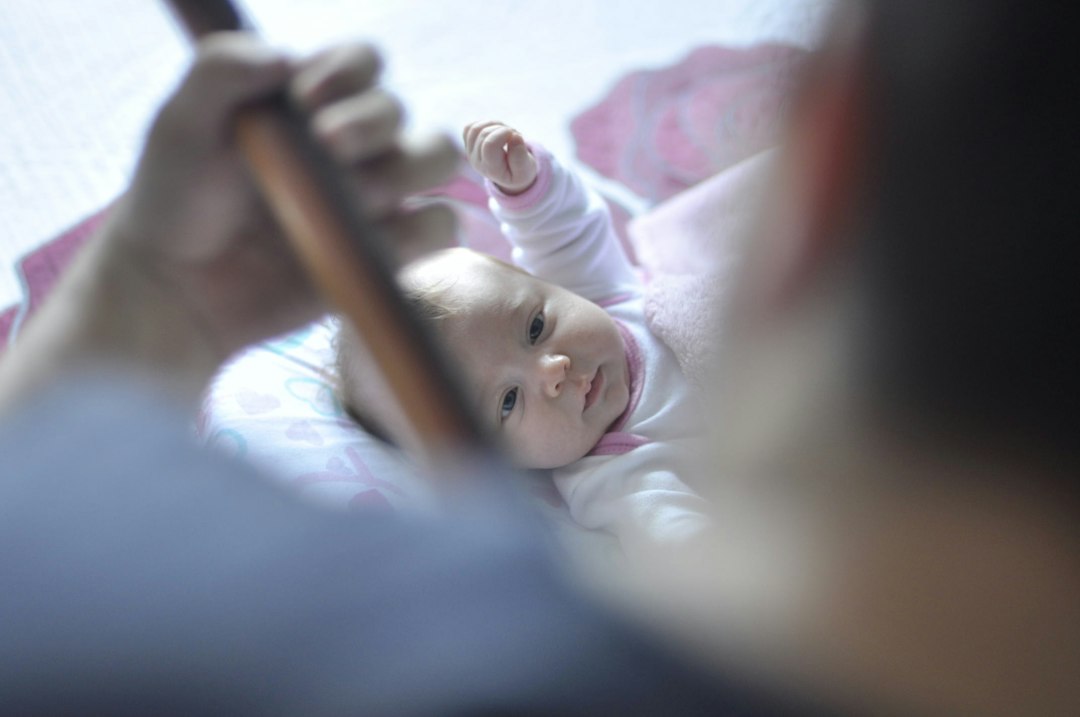
Imagine your child just turned one and you’ve decided to start a brushing routine. At 8:30 pm, bath done, you sit on the living room floor, rest their head in your lap, and leave the toothbrush within reach so they can explore it for a minute while you sing a short song. Then you do the actual brushing yourself. In under two minutes you’re out of the bathroom, and within a week the ritual surprises no one.
Free sugars are the second big risk factor. This isn’t about banning fruit or the occasional treat, it’s about avoiding sugar touching the teeth many times a day. A bottle of juice sipped through nap time does more damage than a slice of cake at mealtimes, because the contact is prolonged.
Finally, check-ups. Taking your baby to the dentist before the first birthday, even if nothing seems wrong, helps spot risks, assess how much fluoride they need, and get personalised guidance.
When Should You Start Brushing Your Child’s Teeth?
Start brushing your baby’s teeth as soon as the first tooth erupts, usually between 6 and 10 months, using a damp cloth or a finger brush. From one year old, a small soft-bristled toothbrush is the right tool and brushing becomes a daily, twice-a-day habit.
Before the first tooth, it’s worth wiping the gums with a damp cloth after feeds, more for routine than strict necessity. Once the first upper teeth come in, cleaning becomes essential, because those teeth are especially vulnerable to baby bottle tooth decay.
How to Brush a Baby’s Teeth, Step by Step
Brushing a 1-year-old’s teeth takes good light, a stable position, and gentle motions. With these steps, most families get brushing done in a minute.
- Position your baby with their head resting in your lap or on the changing table, with enough light to see the whole mouth.
- Gently lift the upper lip and check for any milk residue or plaque along the gumline.
- Wet the brush and apply a rice-grain-sized amount of fluoride toothpaste.
- Brush the outer surfaces with short, gentle strokes, no pressure.
- Brush the inner surfaces by holding the brush vertically and moving it from bottom to top.
- Finish with the chewing surfaces and a light sweep over the tongue.
- Ask them to spit out the excess without rinsing, and praise them for the effort.
A Common Mistake and How to Fix It
Common mistake: using a pea-sized or striped line of toothpaste, as was done years ago, and rinsing with water afterwards. That reduces the fluoride’s effectiveness and, in young children, leads to unnecessary swallowing. Solution: go back to the rice-grain amount and let them spit without rinsing, exactly as set out in the recommendations of the Asociación Española de Pediatría (Spanish Association of Pediatrics).
When Your Baby Resists Brushing
Resistance is normal between 12 and 24 months, because it’s the age where they want to do everything themselves. Offer two closed choices: “Do you go first or do I go first?” or “The blue brush or the green one?”. Keep brushing short and calm, and avoid turning it into a battle of wills.
A quick table helps you decide what to do depending on the situation:
- Closes their mouth: wait half a minute, sing a verse, and try again calmly.
- Wants to do it themselves: let them try for 30 seconds, then finish brushing yourself.
- Sore gum: check if a tooth is coming through and see the paediatrician if it persists.
- Spits out the paste: that’s normal, use less and don’t rinse.
Frequently Asked Questions
What happens if I don’t brush my 1 year old’s teeth?
If you don’t brush your 1-year-old’s teeth, bacterial plaque builds up and early childhood cavities can develop, moving fast because baby enamel is thin. Baby bottle tooth decay usually affects the upper teeth. Resuming daily brushing with fluoride halts the problem and protects the permanent teeth.
What happens to kids’ teeth if they never get brushed?
Children who don’t brush end up with plaque that hardens into tartar, yellow-stained teeth, cavities, and inflamed gums. The infection can reach the permanent tooth underneath. The solution is to start brushing twice a day and have the mouth checked by a pediatric dentist.
How do I get yellow off a baby’s teeth?
Yellowing on a baby’s teeth is usually accumulated plaque and comes off with twice-daily brushing using fluoride toothpaste, patiently, without scrubbing hard. Baby teeth are naturally a bit more yellow. If a stain persists, see a pediatric dentist and avoid DIY whitening remedies.
What toothpaste should I use to brush my baby’s teeth?
Use an age-appropriate fluoride toothpaste in a rice-grain-sized amount. Fluoride-free pastes don’t protect against cavities. After brushing, don’t rinse with water, let them spit out the excess so the fluoride can work on the enamel.
When a simple routine becomes a habit, the rest of health education takes far less effort. If you’d like to see how we support these independence-building routines from ages 0 to 6, book a personalised school visit and we’ll show you in person.