
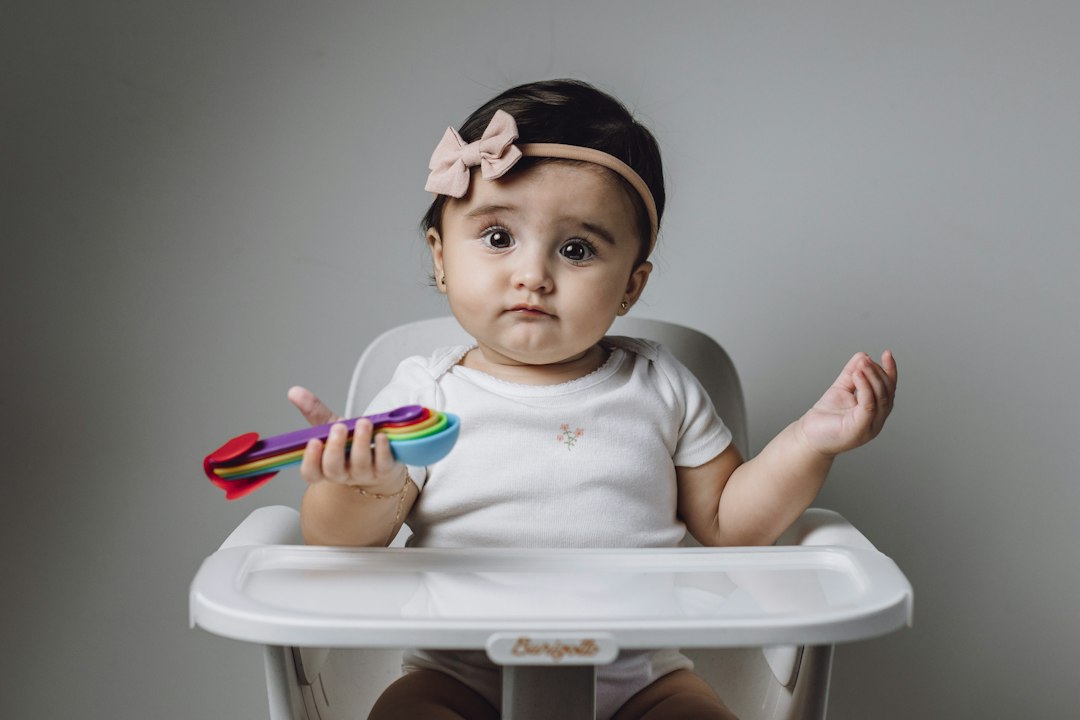
Baby Teeth at 6 Months: Order of Eruption and Discomfort

When a baby turns 6 months old and puts everything in their mouth, many families wonder whether teeth are starting to come through. For baby teeth, 6 months is the most common age to see the two lower central incisors appear, but the normal range is 6 to 10 months, and even earlier or later without that indicating a problem. Baby teeth are the 20 temporary teeth that erupt between 6 months and 3 years of age. The Spanish Association of Paediatrics reminds us that no two babies follow the same dental timetable. You can check the sources at the Asociación Española de Pediatría.
In short
- The first tooth usually appears between 6 and 10 months, almost always the lower central incisor.
- The most frequent symptoms are drooling, swollen gums, putting objects in the mouth and mild irritability.
- Brushing starts as soon as the first tooth appears, with a soft-bristled toothbrush and a minimal amount of fluoride toothpaste.
- Around 2 years of age all 20 baby teeth should be in place, and it is time for the first dental check-up.

How to brush the teeth of a 6-month-old baby
Brush the first tooth from the day it appears, without waiting for the whole mouth to be complete. Use a soft-bristled children’s toothbrush, dampened, with gentle short strokes on both surfaces of the tooth. The most comfortable position is to lay the baby down with their head resting on your lap, so you can see into the mouth from above.
The Spanish Society of Paediatric Dentistry and the AAP recommend applying fluoride toothpaste from the start, in an amount the size of a grain of rice until age 3. It is used twice a day, in the morning and above all before bed, and there is no need to rinse. If the baby does not have any teeth yet, it is enough to wipe the gum with a damp cloth after feeds.

How many teeth should a 2-year-old have
Most children have all 20 baby teeth by around 2 and a half years of age, and by 2 years it is common to count between 16 and 20. The second molars are usually the last to arrive.
Imagine that at 2 years old your child only has 12 teeth and none have come through in the last six months. It is worth mentioning this at the first dental check-up, because sometimes there is not enough space in the jaw or some teeth are impacted. The Spanish Society of Paediatric Dentistry recommends the first visit to the dentist when the first tooth appears and, at the latest, before the first birthday.

Baby teeth and the order in which they come through
Baby teeth are the 20 temporary teeth that occupy the mouth from infancy until they are replaced, between 6 and 12 years of age. There are 8 incisors, 4 canines and 8 molars, and each one has its pair in the opposite arch.
When the first tooth usually comes through
The first tooth almost always appears between 6 and 10 months, and it is usually one of the two lower central incisors. Some babies get their first tooth at 4 months and others reach their first birthday with none: both cases are within the expected range.
Order of eruption of baby teeth
The most common sequence is: lower central incisors (6-10 months), upper central incisors (8-12), upper laterals (9-13), lower laterals (10-16), first molars (13-19), canines (16-23) and second molars (23-33 months).
| Teeth | Usual age | What you may notice |
|---|---|---|
| Lower central incisors | 6-10 months | The classic tooth at 6 months |
| Upper central incisors | 8-12 months | Heavy drooling and swollen gums |
| Lateral incisors | 9-16 months | More discomfort when biting |
| First molars | 13-19 months | Deep discomfort and occasional refusal of food |
| Canines | 16-23 months | Sensitive gums |
| Second molars | 23-33 months | Final stage of the changeover |
When teeth come through and what symptoms appear
Tooth eruption is the process by which each tooth passes through the gum until it appears in the mouth. It is usually noticeable two or three days before the tooth comes through, and the discomfort eases once it breaks through.
Symptoms when babies’ teeth come through
The most reliable symptoms are drooling more than usual, putting hands and objects in the mouth, red and swollen gums, discomfort when eating and lighter sleep for two or three nights. High fever, severe diarrhoea or complete refusal of food are not symptoms of teething and warrant a visit to the paediatrician.
How long it takes from the start of discomfort until a tooth comes through
Between the gum becoming sensitive and the tooth appearing, 3 to 5 days usually pass, although sometimes the area stays swollen for two or three weeks before breaking through.
Tips to ease the discomfort
Biting helps a lot: silicone teething rings or a damp, cold cotton cloth work well. Chilled items from the fridge (never the freezer, which can burn the gum) help reduce swelling. You can also rub the gum with a clean finger, and if the discomfort is interfering with sleep, consult your paediatrician, who will advise what your baby can take and in what amount.
And if my baby’s teeth are coming through
If you suspect teeth are on their way, check the gum in the afternoon, when discomfort is usually most noticeable. You will see a redder, raised area, and sometimes the white edge of the tooth just beneath.
Keep to your usual routine: maintain feeds, respect naps and offer something cool to bite. Imagine that your 7-month-old wakes up three nights in a row more irritable and puts a fist in their mouth: stay calm, check the gum and remember that the most intense phase lasts only a few days per tooth.
A common mistake: blaming the teeth for everything
It is frequent to attribute any fever, diarrhoea or bad mood to teething. Teeth explain drooling, gum discomfort and lighter sleep, but not a high fever or a digestive upset. If a symptom does not fit with the gum, it is better to have the baby assessed by the paediatrician.
Frequently asked questions
How do you brush the teeth of a 6-month-old baby?
With a soft-bristled children’s toothbrush, twice a day, applying fluoride toothpaste in a minimal amount the size of a grain of rice. Lay the baby down with their head on your lap and brush with gentle strokes without rinsing. If there are no teeth yet, wipe the gum with a cloth.
How many teeth should a 2-year-old have?
Between 16 and 20 baby teeth by around 2 years of age, and all 20 by about 2 and a half. If at 2 years there are fewer than 14 teeth or none have come through in six months, mention it at the dental check-up.
When does a baby’s first tooth come through?
The first tooth usually appears between 6 and 10 months, almost always the lower central incisor. It is normal for it to appear before 4 months or not to emerge until the first birthday without indicating any problem.
What are baby teeth?
They are the 20 temporary teeth of childhood: 8 incisors, 4 canines and 8 molars. They start to come through at around 6 months and are complete by about 3 years of age, and they are gradually replaced by permanent teeth between 6 and 12 years.









