Baby Teething at 8 Months: What’s Normal, Tooth Order & Delay Signs

- In a nutshell
- When does a baby get their first tooth?
- What are baby teeth?
- How long does it take for a tooth to come in for a 7-year-old?
- How do I know if my baby has a dental delay?
- When do babies start teething?
- What's the order baby teeth come in?
- A common mistake and how to avoid it
- Frequently asked questions
- What are baby teeth?
In a nutshell
- The normal window for the first tooth is between 4 and 12 months.
- A dental delay is considered when there is no tooth at all by 13 months.
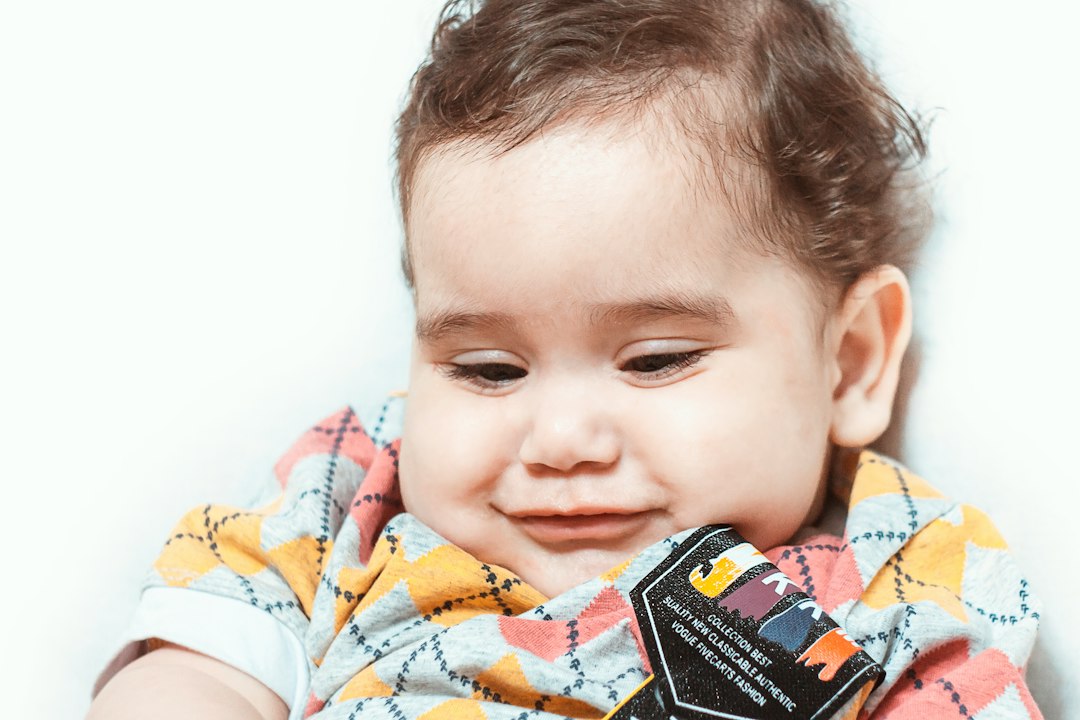
- What’s typical at 8 months: between one and four teeth, almost always the two lower central incisors.
- From the moment a tooth breaks through the gum to when it fully emerges takes between two and eight days.

When does a baby get their first tooth?
The first tooth typically appears between 6 and 8 months, but the healthy range is very wide. The Spanish Association of Pediatrics places the normal eruption of the first tooth between 4 and 12 months. A 3-month-old baby who puts their fist in their mouth and drools more than usual isn’t necessarily teething yet.
The most common scenario is that the first tooth is one of the two lower central incisors. Usually one pops through first and the second follows a few days later. By 4 months, some babies already show a tiny white tip on the gum, while others won’t show anything until nearly their first birthday.

What are baby teeth?
Baby teeth (also called milk teeth) are the 20 temporary teeth a child has fully grown in by around age 3. They handle chewing, hold space for the permanent teeth, and help with clear speech. There are 20 in total: 8 incisors, 4 canines and 8 molars.
They’re called “milk teeth” because they’re smaller and whiter than the permanent ones. Losing them is normal, but taking care of them matters just as much. A cavity in a baby tooth can cause pain and affect the permanent tooth developing underneath.

How long does it take for a tooth to come in for a 7-year-old?
At 7 years old, it’s typical to have between one and four permanent teeth, almost always the lower central incisors. If the baby tooth has fallen out but the permanent tooth hasn’t appeared after six months, it’s worth seeing a pediatric dentist.
How do I know if my baby has a dental delay?
A dental delay is when there is no tooth at all by 13 months. Up until that age, the variation is enormous and usually doesn’t indicate a problem. The dental timetable almost always follows the mother’s or father’s: if you were a late teether, your baby probably will be too.
It’s worth mentioning at the pediatrician’s check-up if your baby was born premature, if there’s a family history of missing teeth, or if no tooth is visible around the first birthday. The Spanish Society of Pediatric Dentistry also recommends the first dental visit before the first birthday.
When do babies start teething?
There are two patterns, and neither is better than the other. 60% of babies follow the standard order, starting with the lower central incisors. The other 40% skip steps: some babies get a molar first, or show a canine before finishing the incisors. Being out of the typical order is not a cause for alarm.
Discomfort usually starts two or three days before the tooth breaks through. The baby drools more, chews on objects, and may sleep worse. At 3 months, these behaviors also happen simply from exploring the mouth, so they’re not a reliable sign of teething.
How long it takes for a tooth to come through once it starts
Between two and eight days. Once you see the tiny white spot on the gum, the tooth usually comes through in less than a week. Sometimes you see a swollen, white gum several days before the tooth actually arrives.
What’s the order baby teeth come in?
The standard order, with average ages, is as follows. Take the ages as a reference point, not an expiration date.
| Teeth | Average age | What you’ll notice |
|---|---|---|
| Lower central incisors | 6-10 months | Drooling, chewing |
| Upper central incisors | 8-12 months | Swollen gum |
| Lateral incisors | 9-13 months | Mild discomfort |
| First molars | 13-19 months | More discomfort, worse sleep |
| Canines | 16-22 months | Irritability |
| Second molars | 25-33 months | Last ones to arrive |
Example: what it looks like at home
Imagine your baby is 7 and a half months old and wakes up more irritable, drools a lot, and refuses a cold bottle. If you look at the lower gum and see a swollen, shiny area, the most likely scenario is that the first tooth is two or three days away. Prepare some chilled teething toys and keep the sleep routine steady.
A common mistake and how to avoid it
The most common mistake is blaming high fever or diarrhea on the teeth. Teething can cause a slight temperature rise, but never a high fever or loose stools. If your child is over 38 degrees or has diarrhea, the cause is something else and you should see the pediatrician.
Frequently asked questions
When does a baby get their first tooth?
The first tooth comes in on average between 6 and 8 months, with a normal range of 4 to 12 months. It’s usually one of the two lower central incisors. If there’s no tooth at all by 13 months, it’s time to check in.
What are baby teeth?
Baby teeth are the 20 temporary teeth a child has fully grown in by around age 3: 8 incisors, 4 canines and 8 molars. They’re used for chewing, speaking and reserving space for the permanent teeth, which is why it’s worth caring for them from the start.
How long does it take for a tooth to come in for a 7-year-old?
At 7 years old, the permanent set is just getting started: it’s typical to have between one and four new teeth. From the time the baby tooth falls out to when the permanent tooth appears can take weeks, and several months until it finishes growing. If nothing shows after six months, check in.
How do I know if my baby has a dental delay?
A dental delay is considered when there is no tooth at all by 13 months. Before that age, the range is enormous and almost never indicates a problem. Mention it to your pediatrician if your baby was born premature, if there’s a family history, or if the first birthday passes with no teeth.
Is it normal for my baby to have no teeth at 8 months?
Yes, it’s completely normal. Many babies get their first tooth around 9 or 10 months and reach their first birthday with no teeth. The dental clock follows the mother’s or father’s. Keep observing, note the dates, and ask at the 12-month check-up if you have any doubts.
If you’re choosing a school for your baby or moving to the area with young children, our admissions team is happy to walk through these questions calmly, at your pace, with no commitment. Book a personalized school visit and bring your questions.