
Montessori Prepared Environment at Home: A Practical Guide for Families
In short
The Montessori prepared environment at home is a space designed for the child to act with freedom and independence, following their interests. It is not a luxury or a trend: it is the foundation of the Montessori method.

What Is the Montessori Prepared Environment at Home and Why It Works
The Montessori prepared environment at home is a space designed for the child to act with freedom and independence, following their interests. It is not a luxury or a trend: it is the foundation of the Montessori method. Last week, a family from Sotogrande told us how reorganizing their living room according to these principles transformed the routine of their three-year-old son. He stopped asking for constant help and began to serve himself water, get dressed, and tidy up his toys. That is the prepared environment.
Maria Montessori observed that a child learns best in an environment tailored to them, where everything has a purpose. At IMS Sotogrande, we have applied this in our classrooms since 2001. But you don’t need a school: any home can become a Montessori prepared environment with a few changes.
The Role of the Adult in the Prepared Environment
The adult is not an instructor, but an observer and facilitator. They prepare the environment, keep it orderly, and then step back. This does not mean abandonment: it means trust. For example, instead of dressing the child every morning, you leave their clothes on a low shelf for them to choose and dress themselves. The first time will take ten minutes. After a month, two. That learning time is an investment.
A Concrete Example: The Water Tray
Place a small pitcher of water, a glass, and a sponge on a tray. The child can serve themselves and clean up if they spill. This material, typical in our 3-6 year old classrooms, develops motor coordination and independence. Last week, an IMS mother told us her four-year-old son already prepares breakfast without help. It is not magic: it is the prepared environment.

Key Principles of the Prepared Environment at Home
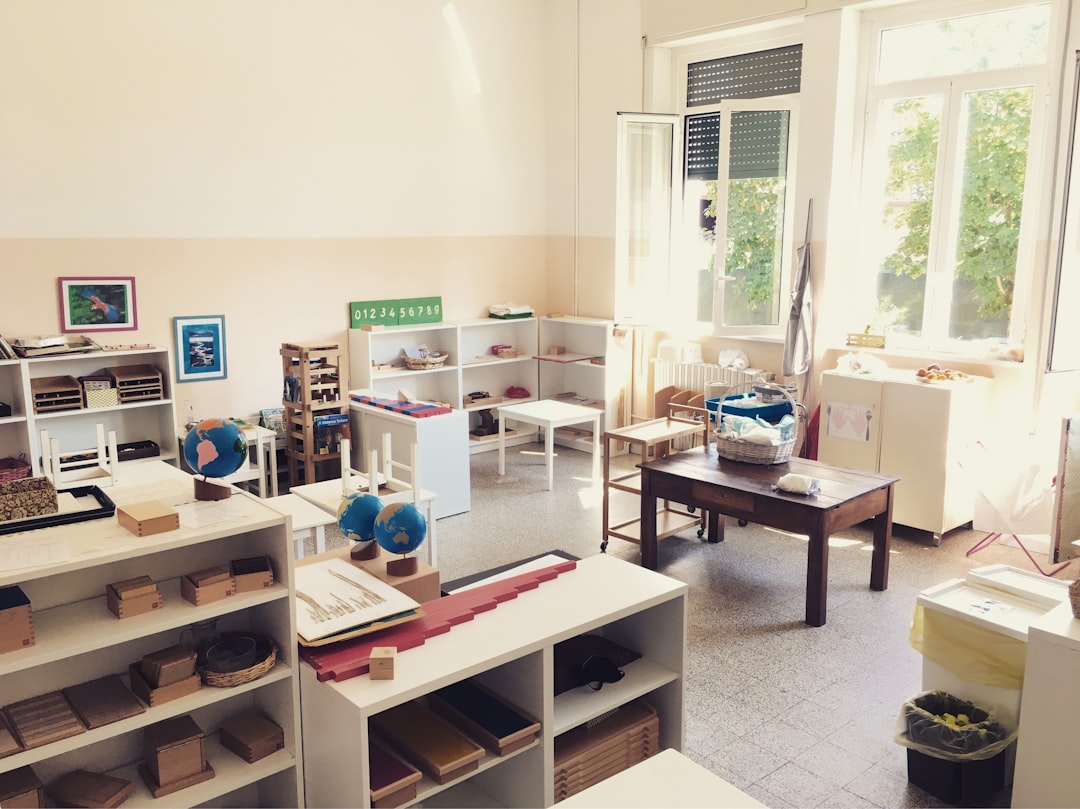
A prepared environment is based on order, beauty, accessibility, and freedom of movement. Furniture should be proportional to the child: low tables, shelves at their height, lightweight chairs they can move. Materials are placed on trays or in baskets, grouped by area (language, practical life, sensorial). Everything has a fixed place so the child knows where to find it and put it away.
Natural light is preferable. Avoid visual overstimulation: neutral walls, few toys on display, weekly rotation of materials. At IMS Sotogrande, classrooms have art, reading, and practical life corners. At home you can replicate this with a small rug and a low shelf.
Order and Beauty
The child needs a clean and organized environment. Broken or incomplete materials are removed. Beauty is not superficial: a vase of flowers or a well-finished piece of wood invite care. As Olimpia Tardá, founder of IMS, says: “The beauty of the environment educates the child’s sensitivity.” At home, choose natural materials: wood, metal, glass. Avoid loud plastic.
Accessibility
Everything the child might use should be within their reach. Place low hooks in the entryway, a bench to sit on to put on shoes, a shelf with their favorite books at eye level. In the kitchen, dedicate a low drawer with glasses, plates, and utensils in child size. At IMS, 3-year-olds serve themselves from the buffet. At home, you can do the same.
Freedom of Movement
The child needs space to move without obstacles. Remove coffee tables with dangerous corners, rugs that slip, and loose cables. A clear hallway or a corner of the living room with a mat is enough. Babies crawl better on smooth surfaces without barriers. Freedom of movement is the first step toward independence.

Prepared Environment in Each Room
Each room can be adapted to the Montessori prepared environment at home . You don’t need renovations: just reorganize.
Kitchen
Place a learning tower or a stable stool so the child can reach the counter. Designate a low drawer with safe utensils: wooden spoon, hand whisk, cookie cutter. Leave a pitcher of water and glasses on a tray so they can serve themselves. Include a sponge so they can clean up if they spill.
Living Room
Choose a low shelf 80 cm high. Place 4-6 materials at a time: a puzzle, a pouring tray (rice and spoon), a sorting game, a book. Rotate each week to maintain interest. Add a small rug that the child can unroll to work on the floor.
Bedroom
The bed should be low (mattress on the floor until 2-3 years). An open wardrobe with clothes hung on child-sized hangers and low baskets for socks and underwear. A mirror at their height and a hook for the next day’s clothes. The child should be able to choose their clothes and dress themselves.
Bathroom
A non-slip stool to reach the sink. A low mirror so they can see themselves when brushing teeth or combing hair. A low hook for their towel. Toothbrush and toothpaste on an accessible tray. The goal: that they can do their hygiene without asking for help.
Common Mistakes When Creating a Montessori Prepared Environment at Home
Many families dive into preparing the environment and make mistakes that thwart the goal. Here are the most common.
Overloading the Space
Too many toys or materials overwhelm the child. The rule at IMS is: a maximum of 6 materials per shelf, and rotate each week. If the child has thirty toys in sight, they cannot concentrate. Store 80% in a closet and bring out a few each week.
Inaccessible Materials
A typical mistake: having toys on high shelves or in closed boxes that the child cannot open. If they cannot reach, it is not a prepared environment. Everything should be at their height, visible, and within reach.
Lack of Order
If you don’t spend ten minutes daily returning each material to its place, chaos reigns. The order of the environment is mental order. Establish the routine of tidying up together before each meal. In two weeks, the child will internalize the habit.
Frequently Asked Questions
At what age can you start with the prepared environment?
From birth. A black and white mobile, a safety mirror, a basket with wooden objects to chew. At 6 months, add a tray with two objects to grasp. The prepared environment evolves with the child.
Do I need to buy expensive Montessori materials?
No. Many materials can be made from everyday objects: a metal tray, a glass pitcher, a wooden spoon. Nature is the best resource: pinecones, stones, leaves. At IMS, we use high-quality wooden materials, but at home you can start with a small budget.
What if my child doesn’t use the materials?
Observe if the material is suitable for their age or interests. Maybe it is too easy or too difficult. Or perhaps there is too much stimulation. Reduce materials to 2-3 and sit down to use them yourself nearby. The child imitates. They may also need more time to adapt. Give them a week without pressure.
Key Takeaways
The Montessori prepared environment at home does not require renovation or a huge budget. It is enough to observe your child, remove barriers, put everything at their height, and trust in their ability. The independence they gain at home transfers to school and life. At IMS Sotogrande we see it every day: 3-year-olds who put on their shoes alone, prepare their snack, and resolve conflicts without crying.
Start with one room. Choose the kitchen or bedroom. Spend an hour reorganizing and you will see the change in a week. If you need guidance, visit us at our school in Sotogrande. We will show you how a prepared environment transforms childhood.









