
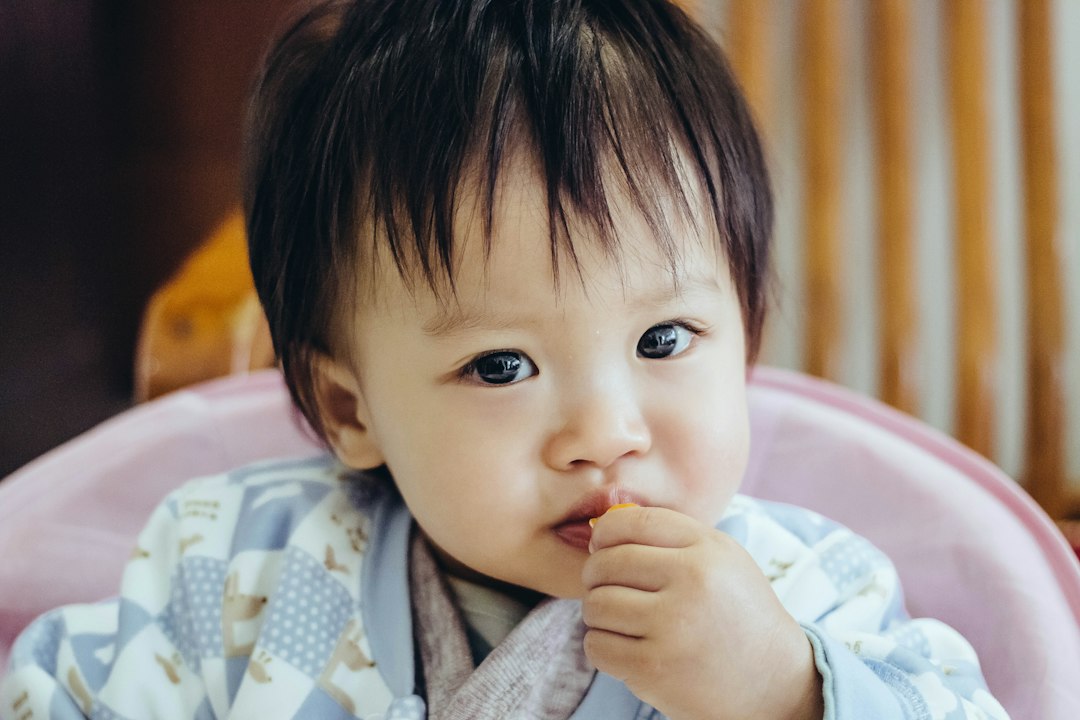
Baby Toothpaste for 1 Year Old: How Much Fluoride and How Much to Use

Finding the right baby toothpaste for a 1 year old is one of those small purchases that raise a lot of questions, because the labeling is inconsistent and the baby swallows almost everything that goes into their mouth. The short answer is this: from the first tooth, brush twice a day with a minimal amount of children’s toothpaste with fluoride appropriate for their age, and don’t wait until they turn two to start.
- In Summary
- Is There Edible Toothpaste for Kids?
- What Toothpaste Can Babies Use?
- What Is the Best Toothpaste for Kids According to Consumer Protection Agencies?
- How Should You Brush a Baby's Teeth?
- Common Mistakes and How to Fix Them
- How to Choose the Best Children's Toothpaste
- Frequently Asked Questions
In Summary
- Brush twice a day from the first tooth, always including nighttime.
- Use a minimal amount: the size of a grain of rice before age three.
- Choose fluoride toothpaste designed for their age and check the concentration on the package.
- Don’t rinse, spit out what they can and that’s it.

Is There Edible Toothpaste for Kids?
There is no such thing as toothpaste meant to be eaten on purpose. The ones sold as suitable for infants are low-concentration formulations designed to tolerate accidental swallowing. That’s why the recommendation is the same in every case.
The position of the Spanish Association of Pediatrics (AEPED) is clear: use fluoride toothpaste from the start, in a minimal amount. That the baby swallows the residue of that amount is expected in the formulation. What you should avoid is turning brushing into a game with toothpaste, the sweet taste invites them to repeat, and it is not food.

What Toothpaste Can Babies Use?
Babies can use children’s toothpaste with fluoride formulated for their age, applied in a minimal amount from the moment the first tooth appears. Other options (fluoride-free gels, clay toothpaste, home remedies) do not protect against early childhood cavities.
The Fluoride Concentration to Look For
Beware of fluoride-free dental gels: they seem appealing because the baby can swallow them without issue, but they offer no real protection against cavities. The dilemma between fluoride-free toothpaste for kids and fluoride toothpaste is resolved with a simple principle: the risk of cavities exists from the first tooth, and fluoride at the right concentration is what reduces it. If your child is at high risk of cavities, the pediatrician or pediatric dentist will tell you which concentration to use.

What Is the Best Toothpaste for Kids According to Consumer Protection Agencies?
This question often comes from readers familiar with Mexico’s Profeco (Federal Consumer Protection Agency), which publishes product comparisons. That framework doesn’t apply in Spain, where recommendations come from health bodies like the AEPED.
The logic behind consumer comparisons is useful regardless of country: they show which products clearly declare their fluoride concentration and which hide it in fine print. Apply it by reading the label. Common brands on the Spanish market like VITIS, Suavinex or the children’s lines of major labs include this information on the package; the important thing is that you read it yourself rather than following a fixed list.
How Should You Brush a Baby’s Teeth?
With a soft-bristled, small-headed toothbrush appropriate for their age, plus a rice-grain-sized amount of toothpaste. Until age three, the adult does the brushing, even if the baby wants to do it themselves.
The Nighttime Routine Is the One You Can’t Skip
Picture it: it’s 8:30 p.m. and your 14-month-old is already in pajamas. Brushing comes right after the last bottle of milk and before the bedtime story, not before the bottle. If they fall asleep with milk in their mouth without brushing, the milk sugar stays in contact with the enamel all night long.
Example: Two Brushings of Forty Seconds
If your 18-month-old squirms on the changing table, try sitting them in your lap with their head resting against your chest and brushing in sections: four front teeth, ten seconds, left molar, ten seconds, and so on. Forty well-done seconds beat three minutes of struggle. Letting them choose the toothbrush also helps.
Common Mistakes and How to Fix Them
The most frequent mistake is using too much toothpaste: a generous squeeze of gel is five times the recommended amount for a one-year-old, and the sweet taste makes the child ask for more. The solution fits in a sentence: squeeze the tube as if you want to leave a grain of rice, not a full stripe.
The second mistake is letting the baby brush alone too early. At 12 - 18 months, their fine motor skills aren’t developed enough to clean the chewing surfaces of the molars, which is where most cavities appear. Let them finish, then you go over it: two minutes at the end.
How to Choose the Best Children’s Toothpaste
To choose well, check in this order: the package states the age range, it declares the fluoride concentration in ppm, the flavor is mild (very sweet flavors lead to brushing resistance later), and it comes in a small tube, because it expires. A quick comparison table:
- Stated age: the manufacturer specifies the usage range.
- Concentration: look for ppm on the package and discuss with your pediatrician if unsure.
- Flavor: neutral or mild, so brushing doesn’t depend on a treat.
- Format: small tube. Children’s toothpaste expires, and large containers degrade over time.
Frequently Asked Questions
Is There Edible Toothpaste for Kids?
No toothpaste exists that can be eaten as food. The ones formulated for infants tolerate accidental swallowing because they contain low fluoride concentrations and minimal amounts, but that doesn’t make them edible. Brush with a rice-grain dose and store the tube out of their reach.
What Toothpaste Can Babies Use?
Babies can use children’s toothpaste with fluoride from the first tooth, in a rice-grain-sized amount, twice a day. The Spanish Association of Pediatrics recommends not delaying fluoride out of fear of accidental swallowing.
What Is the Best Toothpaste for Kids According to Consumer Protection Agencies?
Profeco is Mexico’s consumer protection body, and its comparisons aren’t the reference for Spain. The logic is the same: choose a toothpaste that declares its fluoride concentration in ppm and age range on the package, and adjust the concentration with your pediatrician if cavity risk is high.
How Should You Brush a Baby’s Teeth?
With a soft-bristled, small-headed toothbrush appropriate for their age, plus a rice-grain-sized amount of toothpaste. Until age three, the adult does the brushing, even if the baby wants to take part.
If you’re setting up your child’s oral health routine at this stage, book a personalized visit to the school and we’ll tell you how we support autonomy habits from the classroom.
From four to six years, children can begin trying to brush on their own, but an adult should always finish the job. The small hand still lacks the coordination needed to reach the back molars.Make sure the toothpaste is spit out rather than swallowed, even though at that age a small amount is harmless.
If you notice your child going through the motions without reaching every surface, guide their hand gently for a few strokes. This builds muscle memory faster than verbal instructions alone.By age six or seven, most children are ready to take full responsibility, with a quick parental check afterward. A weekly inspection of their brushing, looking for plaque near the gumline, keeps the transition on track.









