
Waldorf Education Pros and Cons: What Parents Need to Know

Searching for Waldorf education pros and cons is the first step for many families considering a school outside the mainstream system. Here’s the direct answer: Waldorf education stands out for respecting the child’s pace, nurturing play, nature and the arts, and shielding childhood from early academic pressure. Its drawbacks are different: little technology until the teenage years, qualifications you need to check school by school, and few schools in many areas. It’s an excellent model for some families and a forced fit for others, and that decision deserves concrete data.
Waldorf Education Pros and Cons at a Glance
- Strengths: respected pace, imaginative play, arts and nature woven into every day.
- Limitations: little technology in primary years, later start on academic subjects, and official qualifications you need to verify.
- Key difference with Montessori: Waldorf delays reading and structured materials, while Montessori offers them from the 3 to 6 stage.
- Practical decision: visit the school, ask about official qualifications, and observe a classroom during normal hours.

Why Families Choose a Waldorf School
People choose Waldorf because they want a childhood without rushing. The early years are built on free play, stories, the rhythm of the seasons and handwork. Reading and writing usually arrive around age 6 or 7, because Steiner linked the change of teeth with the moment to begin intellectual learning. It’s a coherent educational decision, not a neglectful one.
The environment matters too. Classrooms use natural materials, warm light and a predictable daily routine that gives children a sense of security. In this sense, Steiner education shares roots with other respectful pedagogies: the adult prepares the environment and accompanies, rather than directing from the front of the room.
What the Steiner Rhythm Brings
The daily rhythm (greeting, story, handwork, outdoor play) works like an invisible skeleton. For a sensitive 4-year-old who reacts to change, that predictability eases anxiety. Seasonal festivals also build a sense of family belonging, something many overcrowded schools have lost.

Waldorf vs Mainstream Schooling
Comparing Waldorf with traditional school is where the debate becomes concrete. In conventional teaching, reading and formal maths arrive early and children are graded from primary school onward. In Waldorf, assessment is qualitative and written exams appear later.
Technology is another difference. While mainstream schools integrate screens and tablets into primary education, Steiner education postpones them, usually until adolescence. For a family that values deep thinking, this is an advantage. For one that needs its child comfortable with digital tools from an early age, it’s a serious obstacle.
Comparison Table: Waldorf, Montessori and Traditional School
- Reading start : Waldorf around ages 6-7. Montessori between ages 3 and 6. Traditional, from early years or first grade.
- Materials : Waldorf uses natural, handmade elements. Montessori, specific sensorial and self-correcting materials. Traditional, textbook and notebook.
- Assessment : Waldorf, descriptive reports without grades. Montessori, observation and individual tracking. Traditional, exams and numerical grades.
- Technology : Waldorf postpones it. Montessori introduces it in measured doses. Traditional integrates it early.
- Art and movement : present daily in Waldorf. Integrated into Montessori as part of development. Complementary in mainstream school.
Montessori and Waldorf are often confused, but they answer different questions. The first offers freedom within a carefully prepared structure and values practical autonomy. The second protects imagination and the emotional world with a more pronounced artistic script. Neither is better in the abstract. It depends on the child. We compare the two in more detail in our guide to Waldorf vs Montessori.

When Waldorf Education Isn’t the Right Fit
Let’s be frank about the drawbacks. If your family moves frequently or plans to return to a mainstream system, the transition can be tough: a 9-year-old used to a different rhythm may take months to adjust to the academic load of a conventional school.
You should also verify qualifications. Some Waldorf schools are officially approved and award recognised Spanish qualifications, but not all do. Ask in writing whether your child will earn the official ESO or Bachillerato qualification recognised by the education authorities, and keep the reply. We cover the most common criticisms of the model in our practical guide to Waldorf schools.
A Common Mistake and How to Avoid It
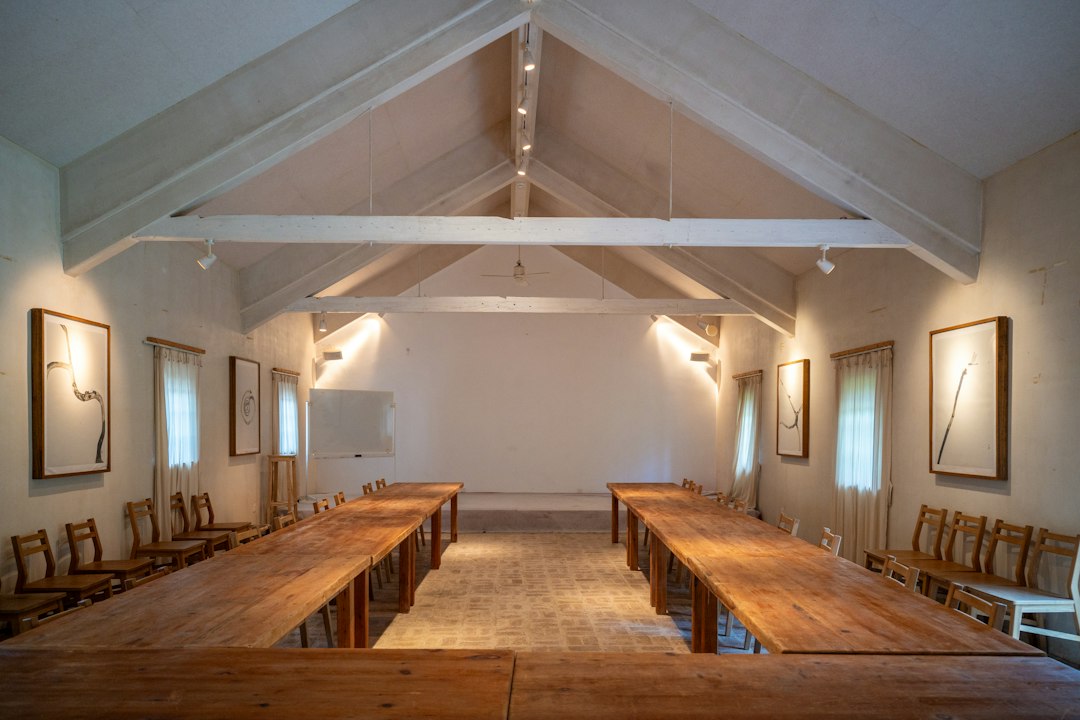
The most common mistake is choosing based on how the building feels. Wooden classrooms, soft light and lit candles look lovely, but they don’t explain how maths is taught or how a child with high abilities or additional learning needs is supported. Practical solution: ask to observe a class for 6-9-year-olds during normal hours and ask how they assess progress in reading and calculation. Concrete answers matter more than aesthetics.
Example: How to Decide as a Family
Imagine your 4-year-old plays constantly with wooden figures and freezes when faced with worksheets. The Waldorf model would fit his developmental stage well. Now imagine your 6-year-old already reads on her own and asks for addition problems: Montessori or a school with a solid academic project will offer her intellectual challenge sooner. Use that contrast to sort out your priorities.
Why Families Who Choose Waldorf Say They Do
Families who opt for Waldorf usually talk about coherence. They want the school not to contradict what they live at home: fewer screens, more nature, respect for emotions and for the child’s time. The project feels whole to them, not a scattered sum of separate activities.
Frequently Asked Questions
What Is Waldorf Education in a Nutshell?
Waldorf education is a method created by Rudolf Steiner in 1919 that follows the child’s development stage by stage: free play in early childhood, art and handwork in primary school, and abstract thinking in adolescence. It avoids early academic pressure and screens, and assesses through qualitative observation rather than exams and grades.
What Are the Main Disadvantages of Waldorf?
The main disadvantages of Waldorf are the later introduction of reading and formal maths, the minimal presence of digital technology before adolescence, and the limited number of schools in many areas. It’s also worth checking whether the school issues an officially recognised qualification. For a family that prioritises these aspects, another model may be a better fit.
How Does Waldorf Differ from Montessori?
Waldorf differs from Montessori mainly in three ways: the age reading begins (Waldorf around ages 6-7, Montessori between ages 3 and 6), the type of materials (natural and handmade versus structured sensorial materials), and the role of free imagination versus self-directed learning. Both respect the child’s pace, but through different mechanisms.
Can a Child Move from Waldorf to a Mainstream School?
Yes, a child can move from Waldorf to a mainstream school, though the adjustment usually takes time and support in the more formal academic areas. The transition is easier if it happens at the start of an educational stage and if the family reinforces reading and calculation at home. Always consult both schools about academic requirements.
What Questions Should I Ask Before Enrolling My Child?
Before enrolling your child, ask about the official qualification the student will earn, how they assess academic progress, how they support additional needs, and what happens if you want to change schools later on. Request to observe a classroom during normal hours and talk to current families at the school. Those answers will give you more information than any brochure.
If this analysis helped you sort out your priorities, the next step is to see a classroom with your own eyes. To see how a Montessori school works day to day, book a personalised visit to IMS Sotogrande and bring your questions.









