
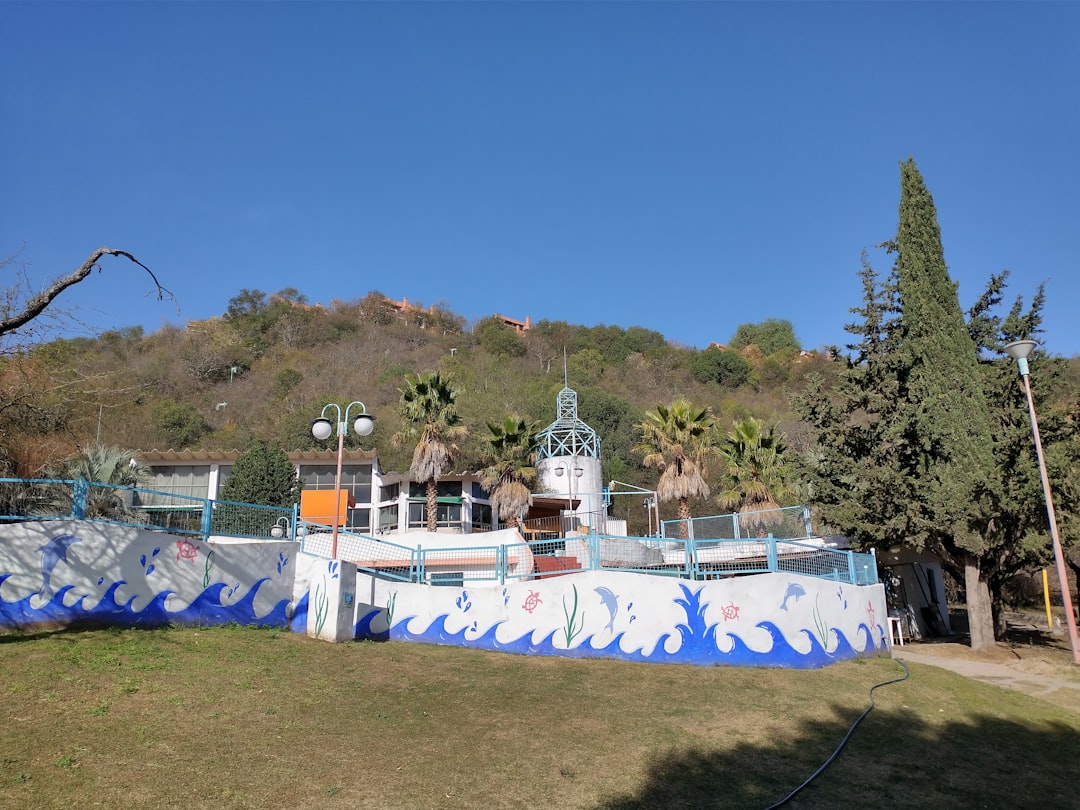
San Roque Summer Camp: Bilingual Montessori (Family Guide)
In short
When families from Campo de Gibraltar look for a summer camp in San Roque that respects the natural development of their children, the options narrow down. Most choices replicate the traditional school model during the holidays. However, the MIMS Kids Summer Camp 2026 at IMS Sotogrande breaks that mold.
When families from Campo de Gibraltar look for a summer camp in San Roque that respects the natural development of their children, the options narrow down. Most choices replicate the traditional school model during the holidays. However, the MIMS Kids Summer Camp 2026 at IMS Sotogrande breaks that mold. Here we talk about a prepared environment where curiosity does not fade in July. In this article we explore summer camp San Roque in depth with practical examples.
It’s not a typical camp. It’s a space where children aged 3 to 12 move freely within clear boundaries, choose their activities, and interact in two languages. The location is not in the heart of San Roque’s urban center, but it is a ten-minute drive away. And the difference is made by the pedagogy that permeates every corner. When it comes to summer camp San Roque, it pays to listen to what families and lead guides actually report.
- MIMS Kids Summer Camp 2026: This is the summer camp in San Roque (and Sotogrande)
- Why does a Montessori camp make a difference compared to a conventional summer camp in San Roque?
- English and Spanish without classrooms: invisible bilingualism
- A typical day at this summer camp in San Roque (just a step away)
- Art, music and nature: the three pillars of summer
- Limited spots and dates: everything you need to know
- Frequently Asked Questions
- Key takeaways
MIMS Kids Summer Camp 2026: This is the summer camp in San Roque (and Sotogrande)
The camp runs from June 29 to July 31, 2026 at the International Montessori School Sotogrande facilities. Families from San Roque, Alcaidesa or La Línea find here an alternative that avoids long commutes and provides real educational value. The base schedule covers from 8:00 a.m. to 3:00 p.m., with the possibility of extension until 5:00 p.m. for those who need more flexibility. Daily practice with summer camp San Roque reveals nuances no handbook fully captures.
It’s not about filling hours with worksheets or screens. Each day revolves around movement, artistic creation, music, outdoor play, and thematic celebrations. Small groups allow guides to observe and accompany, rather than direct. And bilingualism is breathed naturally: children listen and speak English and Spanish organically while cooking, planting, or building a log cabin.
The cost includes all meals, with balanced menus that respect allergies and preferences. There are also sibling discounts. Book a personalized visit to the school and get to know the space before enrolling your child.
Why does a Montessori camp make a difference compared to a conventional summer camp in San Roque?
The key is in the approach. A traditional camp usually organizes activities in blocks: everyone paints at ten, everyone snacks at eleven. The adult decides and the child executes. In a Montessori environment, the order is different. There are simultaneous work stations and each child moves through them according to their interest. The adult observes, intervenes minimally, and redirects when needed. This structure reduces frustration and multiplies concentration.
Numerous studies support that child-centered environments improve self-regulation and emotional well-being. The American Montessori Society emphasizes that maintaining certain Montessori routines in summer prevents the abrupt disconnection many children experience when returning to school in September. Instead of pausing learning, it transforms it into play.
The role of the guide in the camp
The professionals who accompany children during the MIMS Camp are the same AMI guides and specialists who work at IMS during the school year. They know the development of each plane and can read needs without imposing. There are no prizes, punishments, or competitions. There are chosen challenges, spontaneous collaboration, and lots of conversation.
English and Spanish without classrooms: invisible bilingualism
Many families from Campo de Gibraltar, especially those looking for a summer camp in San Roque , value exposure to English during the holidays. But the ‘English class’ model in July doesn’t work. After ten minutes the children get bored and the monitor becomes frustrated. At IMS Sotogrande, English is not taught, it is lived. Interaction with native and bilingual guides happens all the time: during lunch, while watering the garden, while singing a good morning song.
Young children effortlessly absorb grammatical structures when they emerge in an affective context. This is known by expatriate families who settle in Sotogrande, San Roque or Estepona and choose our international school precisely for that dual immersion. The camp follows the same philosophy: English and Spanish intertwined, without constant translations.
A typical day at this summer camp in San Roque (just a step away)
Although each day adapts to the group, there is a recognizable rhythm. Staggered arrival avoids crowds. Around 8:30 a.m., the first children share a calm breakfast in the common area. Then, a welcome circle with a song in English, a brief body movement, and the presentation of the day’s stations.
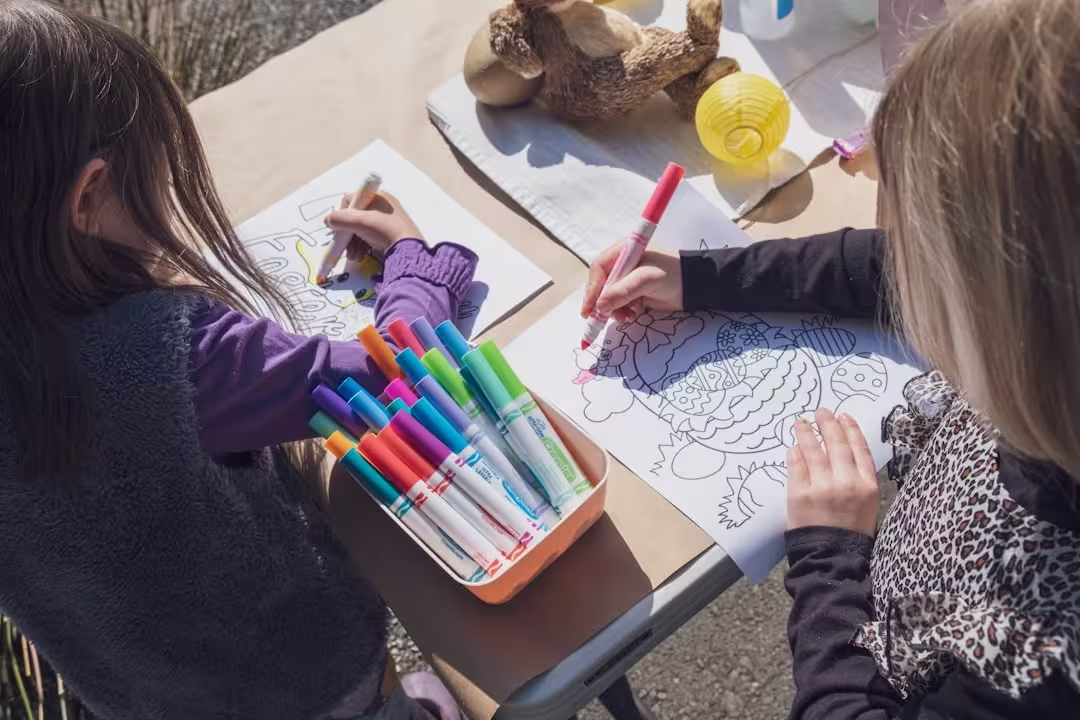
From 9:15 a.m. to 12:00 p.m., the corners are deployed: sensory art with clay and watercolors, construction with large pieces, water experiments, music with percussion instruments, shadow theater. There is no obligation to rotate. A child can spend forty minutes mixing colors and no one will say ‘come on, time for something else’. That sustained concentration is gold for their brain.
After lunch, relaxation time with stories or outdoor yoga. Then, free play in the yard or green area, always supervised. At 3:00 p.m., the base day ends. Those who stay until 5:00 p.m. enjoy more relaxed activities and a snack. Pick-up is flexible within that window.
Art, music and nature: the three pillars of summer
Forget the typical ‘workshops’ where everyone copies the same paper boat. Here art is process, not product. Children explore textures, mix pigments, decorate stones, stamp leaves. Music comes from Tatiana Gavira and Adrián Rodríguez, school specialists, who integrate rhythm and movement without forced sheet music.
The Sotogrande environment allows for occasional outings to nearby green areas and daily contact with the sandbox, the garden, and the insects that inhabit it. These gross sensory experiences are exactly what many children need after months in the classroom. Moreover, the fact that a summer camp in San Roque takes place outdoors rather than in an indoor sports center makes a huge difference in children’s postural and visual health.
Limited spots and dates: everything you need to know
MIMS Kids Summer Camp 2026 at IMS opens its doors from June 29 to July 31. Ages range from 3 to 12 years, with groups differentiated by development plane. It is not necessary to be a student at IMS during the school year to participate. The camp is open to any family that shares the values of respect and freedom promoted by Montessori.
Spots are limited because the adult-to-child ratio remains low. Last year they were filled by mid-May. If you are exploring a summer camp in San Roque for your child and want to secure a spot, the sooner you contact, the better. Registrations are managed through email [email protected] or phone +34 691 225 041. You can also request general information at [email protected] or call +34 653 04 17 39.
The price includes all meals and sibling discounts are applied automatically. There are no hidden costs or materials to buy. They only need comfortable clothes and a lot of desire to explore.
Frequently Asked Questions
How is a Montessori camp different from a traditional summer school?
The main difference is in the structure: instead of fixed schedules and directed activities, the child chooses from several options prepared by the guide. This fosters autonomy and genuine interest. Additionally, rewards and punishments are avoided, so motivation is internal and not external.
Does the summer camp in San Roque (IMS) include meals?
Yes, all meals are included in the price of MIMS Kids Summer Camp 2026. The menu is balanced and adapts to allergies and food intolerances. Breakfast, lunch and snack are served for children who stay until 5:00 p.m.
Can a child who doesn’t speak English attend?
Of course. Bilingualism is introduced naturally through songs, games, and routines. Many children arrive without knowledge of English and in a few days begin to understand and repeat words. Guides and peers act as models without pressure.
Is the camp only for IMS Sotogrande students?
No. It is open to any child aged 3 to 12, whether or not they are students of the school. In fact, many families take advantage of it to learn about Montessori pedagogy and then are encouraged to enroll their children for the following school year.
What safety and adaptation measures do you have for children with special needs?
The team includes professionals from Aula Rainbow NNEE, specialized in diversity. If your child requires specific support, it is important to communicate it in advance to assess feasibility and necessary adjustments. The goal is for all children to feel welcomed and able to fully participate.
Key takeaways
Choosing a summer camp for your children should not be an automatic procedure. Behind each option there is a vision of childhood. At MIMS Kids Summer Camp 2026, that vision translates into respect for individual pace, real exposure to English, and trust in the child’s ability to self-regulate when the environment allows.
If this year you are considering a summer camp in San Roque that goes beyond passive entertainment, visit our facilities, talk to the guides, and observe how they work. Spots fly. And not only because word of mouth works, but because children who come one summer usually ask to repeat the next.









