
Respectful Parenting Pros and Cons: What to Weigh Before You Start

Many parents weigh the pros and cons of respectful parenting before trying it at home, and here’s the short answer: it adds a lot in connection and autonomy, but it fails when respect gets confused with letting kids do whatever they want. Putting the pros and cons of respectful parenting on the table lets you decide calmly instead of following a trend. In this review you’ll see its strengths, its real risks, and how to set limits without yelling or punishments.
In Summary
- The big pro: your child feels secure and cooperates more, because connection comes before correction.
- The big con: without clear limits, the child ends up running the house and more frustration appears, not less.
- Baumrind’s four classic styles help you place yourself between permissive, authoritarian, neglectful, and authoritative.
- Practical rule: empathize first, limit second, and offer two choices instead of arguing.

What Should Parenting Look Like?
Parenting should be warm and firm at the same time: unconditional affection on one side and clear limits on the other. That’s what the research on parenting styles calls the authoritative style. The American Academy of Pediatrics insists on guiding with respect and also on setting concrete expectations based on age.
What Changes by Age
At 18 months, a limit is mostly gentle physical action: you remove the dangerous object while saying no. By age 4, you can explain the rule and offer alternatives. In Workshop 6 - 12, the conversation widens and the child participates in the consequences.

What Are the Characteristics of Irresponsible Parents?
Irresponsible parents are characterized by inconsistency and a lack of follow-through: they promise, forget the rule, and only react once they explode. Also by handing the child decisions that belong to adults, like schedules or safety. Don’t confuse flexibility with neglect: they’re different things.
Other common traits include mocking the child, comparing them to siblings, or using affection as currency. UNESCO reminds us that child wellbeing is built on stable and respectful environments. If you recognize any of these patterns in yourself, change starts with one small, consistent rule, not perfection.

What Is the Goal of Parenting Practices?
The goal of parenting practices is for the child to grow into an autonomous, responsible person who can live well with others. We’re not looking for blind obedience, but good judgment of their own. That’s why respectful parenting insists on explaining the why behind rules and leaving room to choose within them.
In daily practice, that goal comes down to three things: that your child can name what they feel, that they can wait without falling apart, and that they can ask for help without shame. These are skills, not abstract virtues, and they’re trained through boring repetitions.
What Are the 4 Parenting Styles?
The four parenting styles were described by Diana Baumrind and are divided into authoritarian, permissive, neglectful, and authoritative. The authoritarian style demands without listening. The permissive style welcomes without structure. The neglectful style is barely present. The authoritative style combines warmth and limits, and usually produces the best results for family life.
Most families swing between two of these styles depending on the day and how tired they are. The Spanish Association of Pediatrics recommends watching patterns, not isolated episodes. If three out of four of your responses are balanced, you’re on the right track.
Perfect Parenting and Social Media Showoffs
The picture-perfect parenting displayed on social media has little to do with raising kids well: it puts image ahead of the relationship. Be careful about turning every one of your child’s achievements into public content. Your child needs to know their privacy matters, and that includes not broadcasting their tantrums.
A Common Mistake and Its Fix
Frequent mistake: negotiating the rule in the middle of conflict. Solution: agree on the rules during a calm moment and remind them with a short phrase when needed. That way you avoid endless arguments at nine o’clock at night.
Respectful Parenting or No-Limits Parenting?
It’s not a real dichotomy: genuine respectful parenting includes firm limits, while no-limits parenting is permissiveness. If your child reacts badly every time they hear a no, the problem isn’t respect, it’s a lack of structure. This confusion explains almost all the cons people attribute to respectful parenting.
When reviewing the pros and cons of respectful parenting, it helps to separate the substance from the excess. The substance is valid and backed by decades of work on connection. The excess shows up when we avoid all frustration for fear of hurting the child, and that leaves them without tools for the real world.
Pros and Cons Summary Table
- Pro: more connection and trust. Con: it requires constant time and patience.
- Pro: more autonomy and cooperation. Con: at first, things take longer to get done.
- Pro: fewer yelling and punishments. Con: it can be confused with an absence of rules.
Example: How to Apply It in a Tough Moment
Imagine your 3-year-old throws a glass because they don’t want dinner. Instead of arguing, you calmly pick up the glass and say throwing isn’t allowed. You offer two real choices: either try two spoonfuls, or get down from the chair and we’re done here. The limit holds, and the sense of choice stays in their hands, within your framework.
Now imagine a 7-year-old’s meltdown because you won’t let them play console on weekdays. First, name their anger, without mockery. Then remind them of the agreed rule and propose a plan for the weekend. Empathy first, limit second, alternative last: that order de-escalates things.
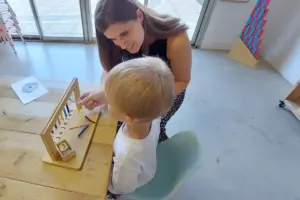
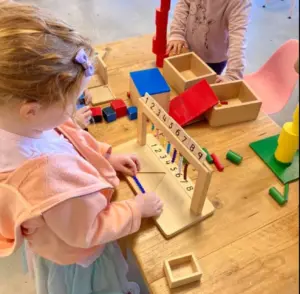
If you’re looking for an educational approach in the Campo de Gibraltar that aligns with this, the Montessori method works on autonomy within clear limits from the earliest years.
Frequently Asked Questions
What Should Parenting Look Like?
Parenting should combine warm affection with clear, age-appropriate limits that are consistent across adults and explained simply. That balance gives the child security and supports their autonomy. Obedience as the sole goal isn’t enough for raising kids well.
What Are the Characteristics of Irresponsible Parents?
They’re characterized by inconsistency, failing to follow through on rules, and handing the child decisions that belong to adults. Also by mocking, comparing, or using affection as a reward. Recognizing the pattern lets you correct it with small, sustained changes.
What Is the Goal of Parenting Practices?
The goal is for the child to develop autonomy, responsibility, and the skills needed to live well with others. We’re after their own judgment and the ability to regulate emotions, not blind obedience. This is achieved through explanations, stable routines, and chances to decide within safe limits.
What Are the 4 Parenting Styles?
Baumrind’s four parenting styles are authoritarian (demands without listening), permissive (welcomes without structure), neglectful (barely present), and authoritative (combines warmth and limits). The authoritative style shows the best results for family life and child wellbeing.
Choose one small rule today, adjust it calmly, and watch how your child responds for a week. If you’d like to see how limits and autonomy are lived in a prepared environment, Book a personal visit to the school and we’ll talk it through with you.