
Montessori Guide: What to Do When Your Toddler Won’t Eat (Tips from AMI Guides)
In short
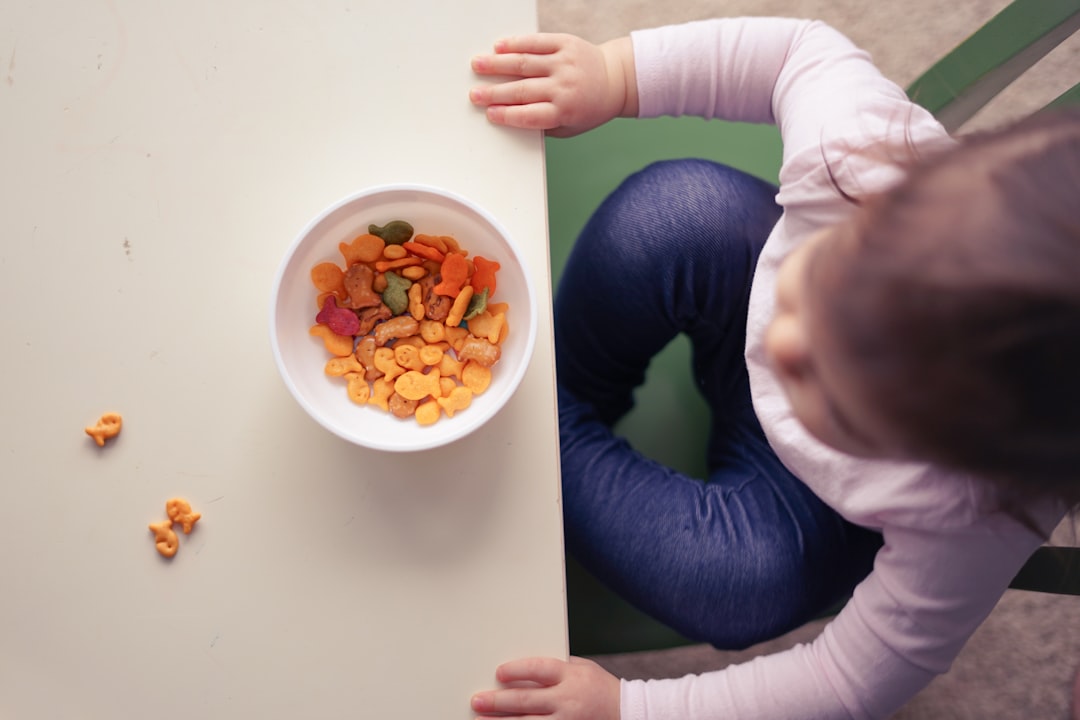
When your toddler suddenly refuses to eat, it's easy to panic. You've prepared a balanced meal, made it look appealing, but the result is the same: your child won't eat. In these cases, Montessori pedagogy invites us to observe calmly, because that refusal is not a whim.
Why Your Toddler Won’t Eat: The Montessori Perspective
When your toddler suddenly refuses to eat, it’s easy to panic. You’ve prepared a balanced meal, made it look appealing, but the result is the same: your child won’t eat. In these cases, Montessori pedagogy invites us to observe calmly, because that refusal is not a whim. Often it’s a legitimate need for autonomy or a developmental phase that all children go through. In this article we explore Montessori feeding in depth with practical examples.
Maria Montessori spoke of the child as the builder of their own personality, and that drive also shows up at the table. Between 12 and 36 months, for example, the sensitive period for order appears: any change, no matter how small, a new texture, an unexpected color, can trigger total refusal. It’s not that they “won’t eat anything” and that’s it. Rather, their internal system demands control over what goes into their body. When it comes to Montessori feeding, it pays to listen to what families and lead guides actually report.
Additionally, growth rates slow down after the first year. A child who doubled their weight in months now gains grams, and their appetite naturally regulates. Most families who consult us at IMS discover that when they trust this self-regulation, the table stops being a battlefield. Daily practice with Montessori feeding reveals nuances no handbook fully captures.
Recent studies from the Spanish Association of Primary Care Pediatrics (AEPap) insist that most “poor eaters” are healthy and only need time and a pressure-free environment. So instead of asking yourself why your toddler won’t eat, the Montessori approach proposes shifting your perspective and asking what they really need.

How to Respond When Your Toddler Won’t Eat: Practical Montessori Steps
First, eliminate all forms of pressure, yes, including negotiation disguised as affection. No spoons flying like airplanes or “just one more bite.” Eating is a physiological need, not a favor they do for us. When your toddler won’t eat, your role is not to persuade but to ensure the conditions for them to decide to eat on their own.
In a prepared Montessori environment, the table is adapted to the child’s height: a non-slip placemat, unbreakable plate, child-sized utensils, and a small pitcher for water. Foods are presented on a shared platter or in the center of the table, and the child chooses what and how much to serve themselves. This freedom has an immediate effect: the act of deciding activates their interest. I’ve seen in our Children’s House how toddlers who reject vegetables at home are motivated to try them simply because they put them on their own plate.
When your toddler won’t eat, sometimes it means “I don’t want to try something new” and other times “I need less today.” With a predictable Montessori routine, meal times are consistent and small portions are served. If something is left, there’s no drama: the plate is calmly removed. Gradually, biological hunger syncs with the fixed times, and those “won’t eat” moments decrease because the child trusts that their appetite will be respected.
Book a personalized visit to our school in Sotogrande to see how we live each moment of the day with Montessori pedagogy: Book a personalized school visit.
Involving Your Child in the Kitchen
Another strategy we use daily is including the child in preparation. Ask them to wash the tomato, cut with a dull knife, or mix the salad. When they participate, that food stops being an intruder and becomes their own project. So the dreaded “my toddler won’t eat” turns into “Mom, look what I made.”
Setting the table together, talking about which vegetable came from the garden, or commenting on the colors on the plate are small conversations that replace lectures about nutrients. At IMS we call it the tribe moment, and guides only intervene if there are signs of true prolonged lack of appetite. Otherwise, we trust the child’s instinct and the environment.

The Emotionally Prepared Environment: No Rewards or Punishments
A common mistake is offering dessert as a reward for eating the main dish. Montessori teaches that dessert is just another food, without moral category. When your toddler won’t eat, presenting yogurt as a prize for finishing chard only reinforces that chard is an obstacle to overcome. At home, you can serve a small healthy portion at the same time: fruit, milk, or a piece of whole-wheat bread, without conditioning it on what was eaten before.
Mealtime should be a pleasant social experience. That’s why at IMS children sit in small groups with a guide who eats with them and models a calm attitude. Their posture isn’t corrected and they aren’t rushed. If they want to get up, they do and clear their utensils. This radical respect creates a bond of security that directly affects their relationship with food.
Many families tell us that when they apply these small changes, low table, freedom of choice, zero pressure, the daily battle disappears. And even if they don’t clean their plate, phrases like “my toddler won’t eat” stop being repeated because now there is a respectful dialogue between the child and their body.
To deepen this approach, the Association Montessori Internationale (AMI) always recommends observing first and responding later. On their website (montessori-ami.org) you’ll find free resources on early childhood parenting. Similarly, the AEPap website FamiliaySalud has scientific articles on child nutrition that can reassure parents. Both agree that pressure is the main enemy of appetite.
Frequently Asked Questions
Is it normal for my toddler to not eat for several days?
Yes, as long as they maintain their usual energy level, don’t lose significant weight, and stay hydrated. Children self-regulate their intake naturally. A light week at the table is often compensated by another week with more appetite. If the situation persists or is accompanied by discomfort, consult your pediatrician, but in most cases it’s a temporary phase linked to the sensitive period for order or self-assertion.
How do I apply Montessori when my toddler won’t eat and only asks for snacks?
Set fixed times for main meals and limit snacking outside those moments. Snacks should be nutritious and served at the table, not while playing or watching screens. If they reject the main meal, calmly remove the plate and don’t offer an immediate alternative. Hunger is a powerful ally. After a couple of days, their body will understand it’s best to take advantage of meal windows.
What foods can I offer when my toddler won’t eat and rejects everything?
Go for simple, deconstructed dishes: carrot sticks, cheese cubes, whole-wheat bread with olive oil, pieces of omelet. Avoid complex mixtures or overly elaborate presentations. The important thing is that they can handle the food with their hands and choose between two options. Giving them that control, within healthy limits, reduces resistance.
Key Takeaways
The next time you think “my toddler won’t eat,” remember that behind that phrase is often a need for autonomy, not a nutritional problem. The Montessori approach doesn’t promise clean plates overnight, but children who, over time, develop a healthy relationship with food because they were never forced to eat.
Trust self-regulation, simplify the environment, and become a calm role model at the table. If you want to experience this philosophy daily, we invite you to visit IMS Sotogrande and our prepared environment for children aged 0-12. Write to us at [email protected] and schedule a no-obligation visit.









