
How to Get Your Child to Eat Fruit: Montessori Strategies for Picky Eaters in Sotogrande & Costa del Sol
In short
If you’re wondering how to get your child to eat fruit without turning every meal into a battle, you’re not alone. The scene is familiar: a plate of untouched fruit, pouts, and a daily sense of frustration.
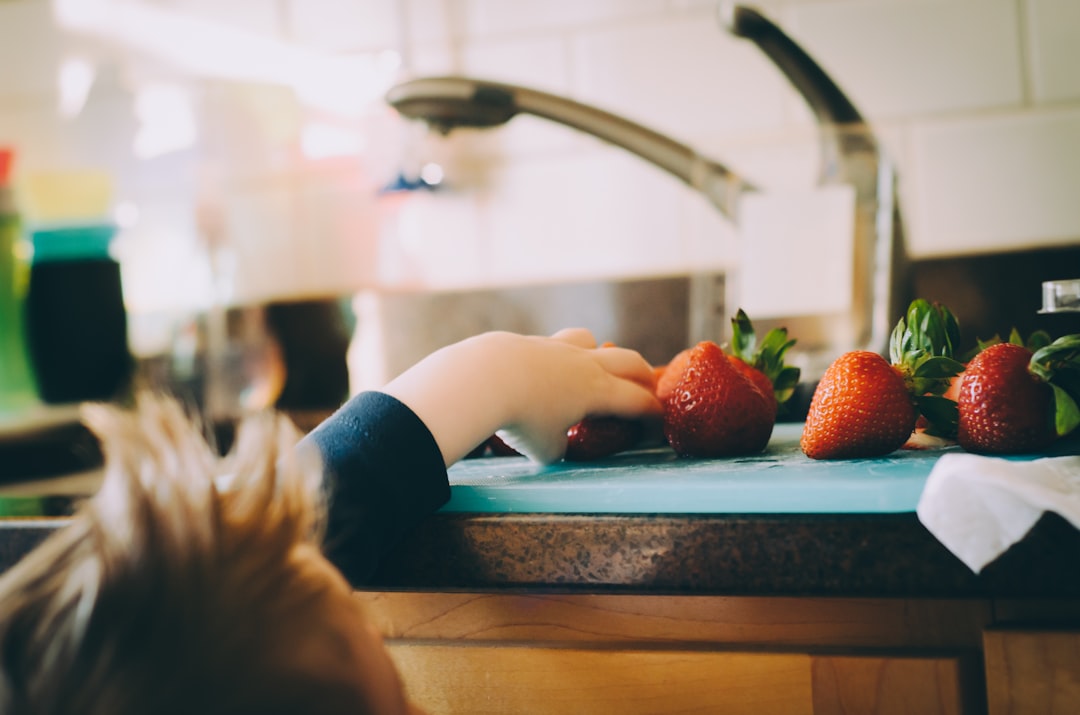
If you’re wondering how to get your child to eat fruit without turning every meal into a battle, you’re not alone. The scene is familiar: a plate of untouched fruit, pouts, and a daily sense of frustration. As an AMI guide at International Montessori School Sotogrande, I know that most food conflicts don’t stem from the fruit itself, but from the disconnect between adult expectations and the child’s needs. In this article we explore Montessori child eating fruit in depth with practical examples.
In Montessori, eating is an act of autonomy and exploration, not a power struggle. So before looking for tricks to get your child to eat fruit, it’s worth shifting your perspective: Is the environment set up so that the fruit bowl is a place of discovery? Does the child participate in their own eating? Or do they only receive instructions about what to eat? In our classrooms at IMS Sotogrande, children peel mandarins, slice bananas, and prepare fruit skewers with genuine curiosity, not because they are forced, but because it feels like a personal achievement. And that can be brought home. When it comes to Montessori child eating fruit, it pays to listen to what families and lead guides actually report.
Montessori Perspective on Getting Your Child to Eat Fruit
Maria Montessori spoke of sensitive periods, windows of opportunity when a child shows intense interest in certain skills. Between ages one and three, a child experiences sensitive periods for order and movement, two aspects that directly impact their relationship with food. So when a family asks how to get their child to eat fruit , the Montessori answer doesn’t start with recipes, but with preparing the space: an accessible fruit bowl, a low table with real utensils sized for them, and above all, time for the child to explore without rushing. Daily practice with Montessori child eating fruit reveals nuances no handbook fully captures.
Another key concept is practical life: everyday activities like washing an apple, peeling a mandarin, or placing grapes in a bowl develop coordination, concentration, and independence. The child doesn’t just eat fruit: they participate in the whole process, and that transforms their attitude. In fact, in our Nido and Casa dei Bambini in Sotogrande, guides encourage children to prepare their own snack. There’s always a tray with seasonal fruit and real materials: a safe peeler, a small cutting board, and a dull knife. The result is that fruit stops being “what Mom says” and becomes “something I make.” Understanding Montessori child eating fruit from inside the classroom reshapes everyday decisions.
The Child as the Hero of Their Own Nutrition
Autonomy is an internal drive that begs to be heard. When a two-year-old insists on “I do it myself,” they aren’t challenging us, they are telling us they need to feel in control of their world. If we apply this to fruit, we discover that the question how to get my child to eat fruit finds a powerful ally in active participation. Allowing your child to choose between a pear or a banana at the market, or to wash the strawberries before eating, activates intrinsic motivation. It’s not a reward: it’s the natural consequence of feeling competent. Concrete data on Montessori child eating fruit is worth reviewing before acting on assumptions.

Five Montessori Strategies to Get Your Child to Eat Fruit at Home
Understanding the theory isn’t enough. You need a practical, respectful plan that doesn’t turn the table into a battlefield. Here are five concrete ideas, all tested in Montessori environments and aligned with IMS Sotogrande’s philosophy.
1. Offer Variety Without Pressure
Pressure, “eat it all,” “just one more bite”, triggers a child’s natural resistance. Instead, place two or three types of fruit on their plate, cut into pieces they can handle alone, and step back. Let them decide which to taste first, how much to eat, and when to stop. A longitudinal study from the University of Michigan concluded that children exposed to food without coercion develop broader preferences over time. The key is for the adult to trust the child’s innate ability to self-regulate: they know how to listen to their body better than we do.
2. Invite Your Child to Join in the Kitchen
Preparing fruit skewers with a small butter knife, squeezing oranges with a manual juicer, or even cutting a banana with an egg slicer turns the kitchen into a fine motor skills workshop. In Montessori, we call this “work,” and children approach it with absolute seriousness. When they have poked the melon chunks themselves, the chances they’ll want to try them multiply. At home, just set aside ten minutes before snack time and prepare the fruit plate together. Besides eating better, you’ll be planting a seed of autonomy that will sprout in many other areas.
3. Eat Fruit as a Family
Children learn by modeling. If they see their parents naturally enjoying a slice of watermelon or a handful of blueberries, they’ll internalize that fruit is not an “obligation” but part of daily life. At the IMS dining table, guides eat alongside the children and comment on taste, texture, and color. We never say “it’s very good” to convince. We simply eat and let imitation do its work. At home, if the fruit bowl is present and adults visit it often, the message sinks in without speeches.
4. Break the Visual Routine
Sometimes fruit rejection is more about boredom than taste. Trying different formats, cutting with cookie cutters, serving in a pretty bowl, making a “fruit rainbow” on a white plate, sparks visual curiosity and turns the moment into a sensory game. It’s not about tricking the child but honoring their need to explore with all senses. Next time, instead of always presenting the same apple slices, offer a skewer with three colors and watch the difference.
5. No Food Rewards or Punishments
“If you eat your fruit, you can watch cartoons” or “if you don’t eat your pear, no park” are phrases that sabotage a child’s relationship with food. They turn fruit into currency and teach that healthy eating is a toll, not a pleasant experience. Neuroscience supports this: external rewards inhibit intrinsic motivation, the opposite of what we want. Better to opt for natural consequences: the fruit is there. If they eat it, their body feels good. If not, they’re simply not hungry now. There will be another opportunity tomorrow.
Why “How to Get My Child to Eat Fruit” Is Not the Right Question
The question itself hides a subtle trap: the verb “to get.” To force, convince, coerce. Montessori invites us to change the verb: to accompany. And when you change the verb, the whole dynamic transforms. The question we really need to ask is how to get my child to eat fruityes, but understanding that “to get” is not coercion, but creating the ideal conditions for fruit to enter their life naturally. At IMS Sotogrande, when a stressed family asks this same question, our guides’ first response is always: “relax, this isn’t a test.” Because deep down, the fruit isn’t the problem. It’s a symptom of a relationship that needs more trust.
Social pressure adds fuel to the fire: the pediatrician insisting on five portions a day, the grandmother declaring “this child doesn’t eat anything,” and the WhatsApp group where all mothers share their children’s perfect menus. All that noise makes us forget that eating is an intimate act and, like any learning, requires its own pace. In Montessori we call it following the child: observing without judgment, offering without imposing, and respecting the developmental stage they are in. If they reject the orange today, perhaps they’ll ask for it themselves tomorrow when they see you squeezing juice.
Preparing Your Home Environment to Encourage Fruit Eating
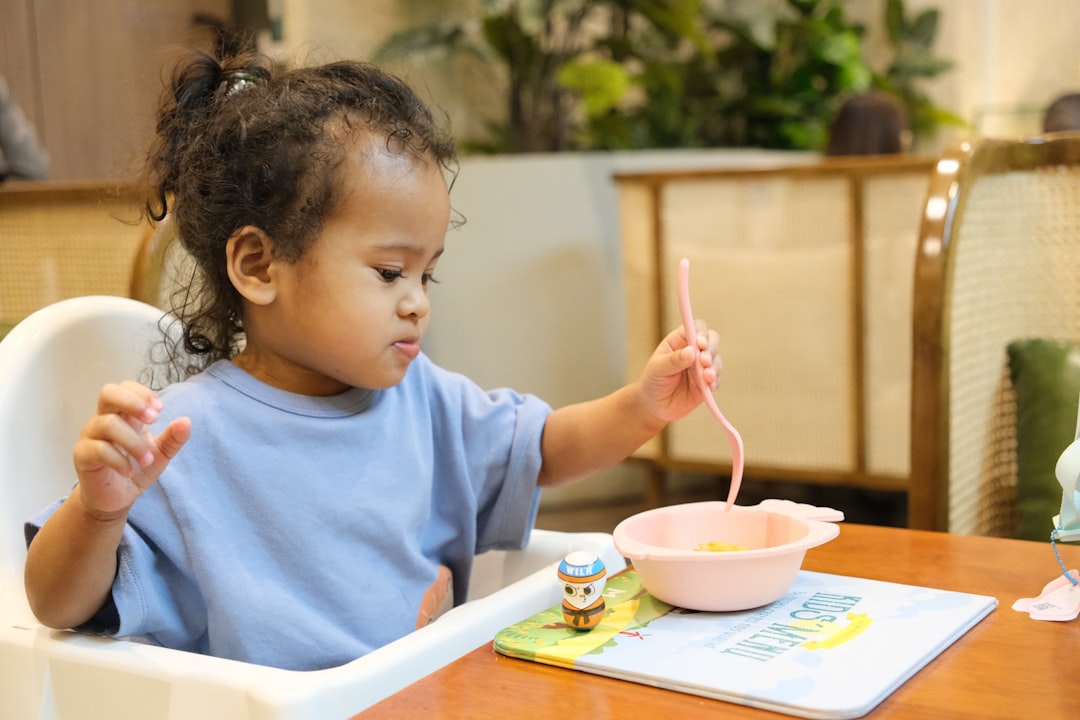
We’ve talked about autonomy and participation, but none of that works if the environment isn’t up to par. In Montessori, the prepared environment is the third teacher, and for eating, that environment goes far beyond the kitchen. Here are three adjustments you can make this week:
- Fruit in sight, treats out of sight. If the fruit bowl is on the counter and the cookies are in a high cupboard, the child will take what they see. No need to forbid. Simply make the less healthy options out of reach. A bowl of bananas and apples on the low living room table works magic.
- Real, adapted tools. Invest in a safe peeler, a small wooden cutting board, and a butter knife or crinkle cutter. When a child feels they’re using “grown-up” tools, their sense of responsibility skyrockets. In our Taller classrooms, six-year-olds are already able to prepare a full fruit salad for the group.
- Predictable routines. Fruit shouldn’t be a surprise. Establish a fixed time each day, snack time, for example, when fruit is the star. Not the only option, but the most accessible one. By repeating it daily, it becomes a habit and the child anticipates that moment with security.
At International Montessori School Sotogrande, we teach families that the home is also a prepared environment. If you want to experience this philosophy firsthand and see how it extends to eating and all aspects of development, book a personalized school visit. We’ll show you how we foster autonomy from eighteen months and why fruit is never an obligation in our classrooms.
Frequently Asked Questions
At what age can I start applying these tips?
As soon as the child shows interest in reaching objects, around eight to ten months. Initially, they’ll just observe. Later they can wash a pear or put mandarin segments in a bowl. The earlier we integrate fruit into their exploration routine, the less resistance we’ll encounter later.
What if after several weeks my child still won’t try fruit?
First, check that there isn’t a sensory or medical issue. Once that’s ruled out, stay calm. Some children need months to accept a new food. Keep offering without pressure, without comments, and without removing fruit from the table. Repeated, stress-free exposure combined with imitation usually bears fruit when you least expect it.
Is natural juice a valid alternative?
Juice, even natural, concentrates sugars and loses fiber, so it’s not a complete substitute. If your child rejects whole fruit, you can use juice as a bridge, but don’t make it the only option. Better yet, offer a thick smoothie where the fruit keeps all its pulp and they can drink through a straw, an activity that also strengthens orofacial muscles.
What if they always prefer the same fruit?
That’s perfectly normal. Children go through “mono-food” phases that are usually temporary. In Montessori, we respect that preference as long as it lasts, without alarm. As long as the repeated fruit is healthy, there’s no need to intervene. Gradually, the varied adult plate will spark curiosity about other flavors.
How do I handle pressure from grandparents or others?
With facts and examples. Explain lovingly but firmly that Montessori pedagogy and various studies support a pressure-free approach to eating. Invite them to observe a snack time at home or at school to see the difference between a child who eats out of obligation and one who chooses freely. At IMS Sotogrande, we often hold workshops for grandparents to share these insights.
Key Takeaways
The answer to how to get your child to eat fruit isn’t a marketing trick, it’s a shift in perspective that puts the child at the center of their own choices. Autonomy, prepared environment, active participation, and adult modeling are the four pillars that, when held consistently, transform the relationship with fruit, and, by extension, many other aspects of daily life.
If you’re tired of snack-time battles and want an educational environment that supports this way of understanding childhood, IMS Sotogrande opens its doors for you to experience it firsthand. Book a visit, tour our classrooms, and talk to our guides: you’ll discover that another way of accompanying your child, with respect, trust, and plenty of fruit at the center of the table, is possible. We look forward to meeting you.









