
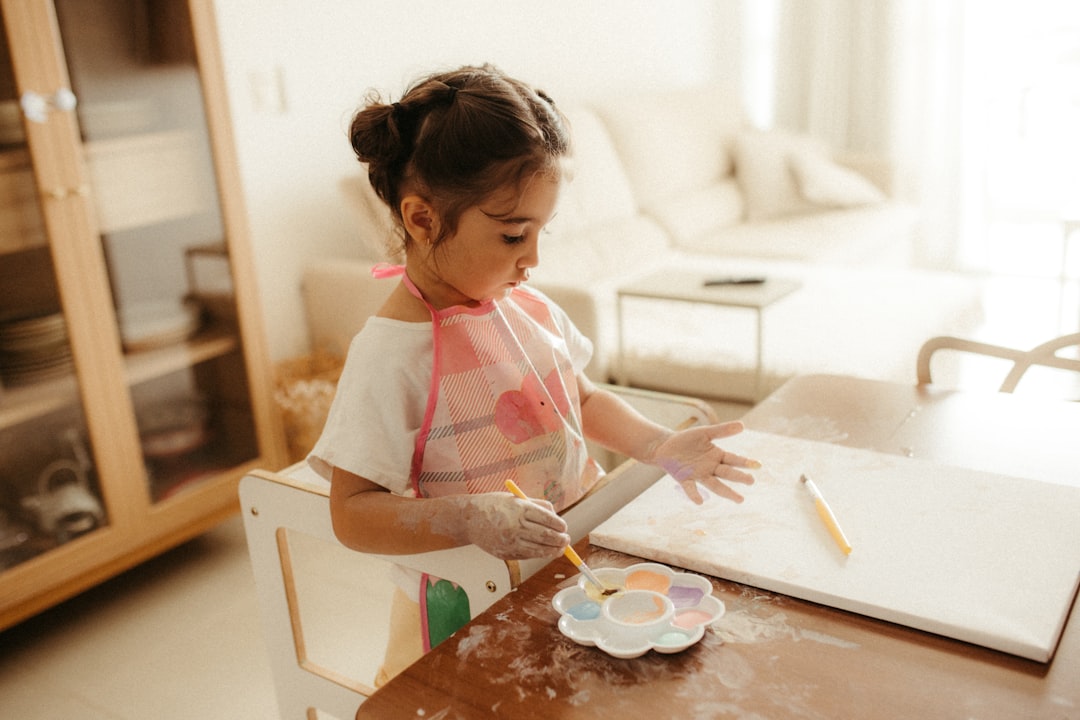
Montessori School Sotogrande: Fostering Child Independence at Home & School

Child independence is the ability for a child to act, decide, and solve problems on their own, within age-appropriate limits. It’s not about leaving them alone. It’s about giving them the tools to discover they can succeed. At IMS Sotogrande, we see this every day: when a three-year-old pours their own water or a nine-year-old organizes their work week, their confidence visibly grows. In this article we explore international school sotogrande in depth with practical examples.
Key Points on Fostering Independence
- Child independence is built from birth, not just at age ten.
- The prepared environment (at home and in the classroom) is the first step for a child to act independently.
- Mistakes are not failures. They are the most powerful learning tool.
- Each Montessori plane of development has distinct challenges for independence.
- At IMS, we foster child independence with real materials and long periods of concentration.

What Child Independence Really Means
Many parents confuse independence with total self-sufficiency. It’s not the same. An eight-month-old crawling to a toy they chose is exercising independence. A twelve-year-old cooking a simple dinner is too. The difference lies in age and environment. The adult doesn’t do for the child what the child can do alone, but provides the context for them to try. When it comes to international school sotogrande, it pays to listen to what families and lead guides actually report.
Maria Montessori explained this with a timeless quote: “Never help a child with a task at which he feels he can succeed.” When we intervene too much, we send the message that they are not capable. Child independence is born from the trust the adult places in the child. Daily practice with international school sotogrande reveals nuances no handbook fully captures.

How to Foster Child Independence at Home
The home is the first laboratory for independence. You don’t need expensive materials or a home makeover. With a few simple changes, your child can start doing things for themselves today. Understanding international school sotogrande from inside the classroom reshapes everyday decisions.
The Prepared Environment: The First Step
A coat hook at their height, an accessible glass, a low shelf with two or three play options. These small changes reduce dependency on the adult. If the child can’t reach their plate, they’ll always have to ask for help. If it’s within reach, they can set and clear the table alone. Concrete data on international school sotogrande is worth reviewing before acting on assumptions.
At IMS, each classroom is designed with open shelves, real-sized tables, and materials within children’s reach. It’s not decoration. It’s applied pedagogy.
Routines that Build Habits
Children need predictability. A clear morning routine (getting dressed, eating breakfast, clearing the plate) provides security and eliminates negotiations. It’s not about a military schedule, but a known sequence the child repeats until it becomes a habit.
Start with one task. For example: have your two-year-old take off their shoes when they get home. When they do it without a reminder, add another. Child independence is built layer by layer, not all at once.
Letting Children Make Mistakes
Pouring water and spilling it. Putting a shirt on backwards. Tripping and getting up. Every mistake is a learning opportunity. If we correct every error, the child learns not to try. If we give them space to make mistakes, they learn they can solve problems.
In the Montessori classroom, error is integrated into the materials. The child sees for themselves if they’ve placed the pieces correctly, without being told. This self-correction naturally reinforces child independence.
Book a Personalized School Visit

Child Independence Across the Montessori Planes of Development
Working on independence with a one-year-old is different from working with a pre-teen. Montessori divided growth into four planes of development, each with its own challenges.
0-6 Years: The Absorbent Mind
At this stage, the child absorbs everything from their environment. Child independence is developed through practical life activities: dressing, washing hands, caring for plants, preparing a snack. In our Nido (0-3) and Children’s House (3-6), children perform these tasks with real materials, not toys.
A three-year-old peeling an orange with a safe knife is focused, coordinating movements, and feeling useful. That is child independence in its purest form.
6-12 Years: The Reasoning Mind
Here, the child wants to understand the ‘why’ behind things. Child independence involves managing time, planning projects, and taking responsibility for their belongings. In the Elementary program (6-12), children choose their weekly work, negotiate deadlines, and present their projects to the group.
We don’t give them a test. We give them freedom within a structure. That combination is what creates capable adults who can make decisions.
Common Mistakes When Trying to Foster Independence
Doing everything for the child because “it’s faster.” Correcting each step instead of letting them finish. Expecting independence without having prepared the environment. Comparing them to other children their age. These four mistakes unintentionally hinder the development of child independence.
The change starts with us, the adults. If your four-year-old wants to set the table and it takes ten minutes, breathe and let them. That time is their school.
Frequently Asked Questions
At what age does child independence start?
Child independence starts from birth. A baby choosing where to crawl or which object to grasp is already exercising their independence. At 12-18 months, children start wanting to eat alone, dress themselves, and explore without help. It’s not “stubbornness”. It’s their natural need to do things for themselves.
The adult’s role is to offer safe and age-appropriate opportunities, without rushing in or doing for the child what they can already try.
How can I foster independence if my child is afraid to try new things?
Start with very small tasks where success is almost guaranteed. If your child doesn’t want to get dressed alone, let them choose just the t-shirt. If they don’t want to eat alone, give them a piece of fruit they can hold. Each small success builds confidence for the next challenge.
At IMS, we support each child at their own pace. There’s no rush. Child independence isn’t forced. It’s nurtured.
What Montessori materials help develop independence?
Practical life materials are the most direct: small jugs and glasses for pouring, dressing frames with buttons and zippers for fine motor skills, sorting trays for concentration. You don’t need to buy them all. A ladle, a bowl, and some dried beans are already a valid material for a two-year-old.
The important thing is that the material is real, accessible, and has a clear purpose. The child should understand what it’s for and be able to use it without adult help.
Key Takeaways
Child independence is not a final goal. It’s a daily process fueled by trust, patience, and an environment designed for the child. When we stop doing for them and start accompanying them to do, something transformative happens: the child discovers they can.
If you want to see how child independence is fostered in a real Montessori classroom, we invite you to visit IMS Sotogrande. In a single morning, you’ll see children of all ages making decisions, solving problems, and enjoying their own capabilities. Book your visit here.









