

Montessori School Near Fuengirola: A Better Alternative to Traditional Playgroups for Child Development
In short
Last month, a family from Fuengirola asked me: "Do you know any playgroups around here that truly respect our little one's pace? I hear versions of that same question almost daily. The reality is that many families sense that the traditional playgroup concept, a space with varied toys, chaotic rotations, and unfiltered stimuli, doesn't fit what they're looking for.
![Ludoteca en Fuengirola: alternativa Montessori para el desarrollo infantil [Guía para Familias]](https://ims-sotogrande.com/wp-content/uploads/2026/06/post-281-img-1-1780518169672-75c2517f.jpg)
Last month, a family from Fuengirola asked me: “Do you know any playgroups around here that truly respect our little one’s pace?” I hear versions of that same question almost daily. The reality is that many families sense that the traditional playgroup concept, a space with varied toys, chaotic rotations, and unfiltered stimuli, doesn’t fit what they’re looking for. But at the same time, they need to balance work and family and want a place where their child can socialize and explore safely. This is where the conversation turns, because a playgroup in Fuengirola solves part of the equation, but perhaps not all of it. In this article we explore Montessori school near Fuengirola in depth with practical examples.
At IMS Sotogrande we don’t offer a conventional playgroup service. What we do have is a Montessori Nido and Children’s House that often end up being what those families were looking for without knowing it existed: a scientifically prepared environment, with trained guides, bilingual, and with extended hours until 5:00 PM. And yes, it’s a commute from Fuengirola. The A-7 motorway gets you to the door in about 45 minutes. Many of our families come daily from Marbella, Estepona, and even Mijas. Those arriving from Fuengirola join a small tribe that crosses the Costa del Sol for an education that is worth it. When it comes to Montessori school near Fuengirola, it pays to listen to what families and lead guides actually report.
- What is a playgroup really (and where it falls short)
- Why families from Fuengirola choose a Montessori environment in Sotogrande
- Prepared environment vs. playgroup: the difference that marks development
- Extended hours? Yes, and it's a real advantage for work-life balance
- Natural bilingualism: a plus you won't find in a traditional playgroup
- Purposeful movement: it's not just play, it's psychomotor development
- Authentic socialization: mixed-age groups and peer learning
- And the cost? What you invest in early development
- Frequently Asked Questions
- Key Takeaways
What is a playgroup really (and where it falls short)
A playgroup is a space for free play with adult supervision. It was designed as a resource for work-life balance and socialization. In its best form, they offer themed corners, various materials, and monitors with basic training. The problem, and I say this with all due respect to good playgroups, is that they usually respond to parents’ immediate demands, not to the deep needs of the child at each stage. Daily practice with Montessori school near Fuengirola reveals nuances no handbook fully captures.
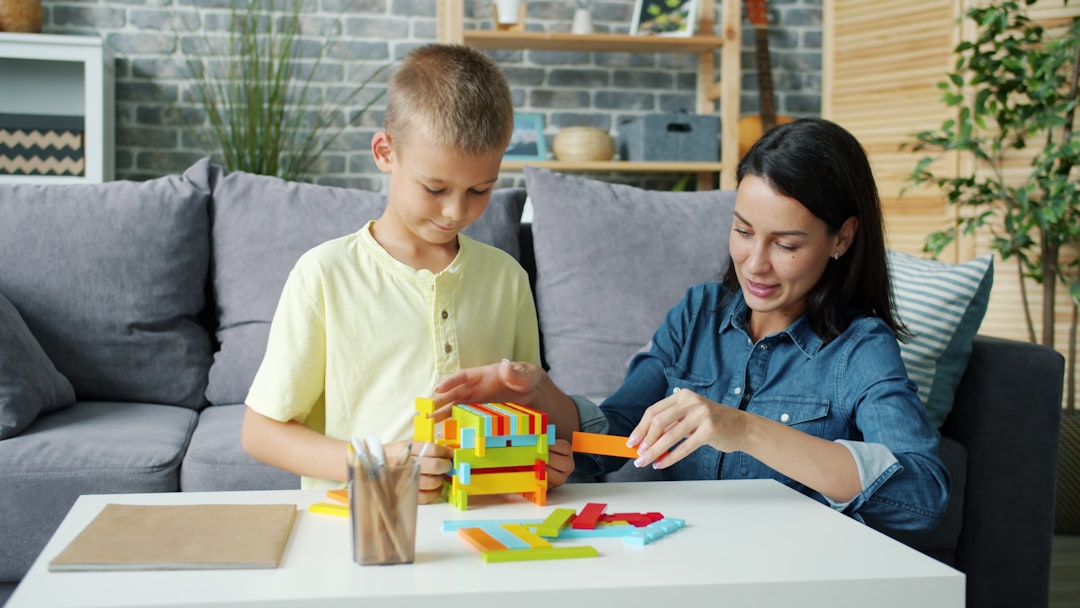
In Montessori, we talk about “prepared environments,” not playgroups. A 2-year-old doesn’t need a room with 200 toys. They need a limited number of materials, selected for their sensitive periods, placed on low shelves within their reach and in an order that invites concentration. The difference is enormous. In a traditional playgroup, the child grazes. In a Montessori environment, the child chooses, engages, repeats, and builds their personality. It’s not an extracurricular activity: it’s living education. Understanding Montessori school near Fuengirola from inside the classroom reshapes everyday decisions.

Why families from Fuengirola choose a Montessori environment in Sotogrande
Fuengirola has several children’s leisure options, but the profile of families searching for a playgroup in Fuengirola often hides a deeper concern: they want respectful accompaniment for the early years that goes beyond “keeping them entertained.” As they investigate, they discover that on the Costa del Sol there are not many AMI (Association Montessori Internationale) centers, much less those that are also bilingual schools and NEASC accredited. When those families arrive at our door, literally, above Mercadona in Sotogrande, many come with the idea of “trying the Nido three mornings a week” and end up enrolling their children for the whole school year. It changes their perspective. Concrete data on Montessori school near Fuengirola is worth reviewing before acting on assumptions.
The journey from Fuengirola is straightforward: AP-7 to exit 130 (Sotogrande) or A-7 if you prefer the national road, about 55 minutes with normal traffic. Some families organize carpooling among parents from the same area. And when they compare the local offer, generally without AMI guides, without real English immersion, and without a documented development plan, the minutes in the car become a small investment for what their children receive.
Prepared environment vs. playgroup: the difference that marks development
In a Montessori 0-3 environment, freedom of movement does not mean aimless running. It means the child can crawl to a mirror, grab a wooden rattle, drop a hand-eye coordination disc, or practice dressing with a button frame. Each material is a key to specific learning. And the guide does not direct: they observe, protect concentration, and remove the material when the child abandons it without composure. This does not happen in a playgroup, at least not with the rigor that current educational neuroscience demands.
The AMI approach holds that the first three years are the “second womb,” where the child absorbs the entire environment without filter. If that environment is chaotic, the child becomes overstimulated. If it is orderly, beautiful, and with limited options, the child develops autonomy, attention, and emotional security. That’s why, when I explain to families from Fuengirola that our Montessori Nido is not a playgroup, the reaction is often: “It’s exactly what we need, but we didn’t know it existed.” That’s not advertising. It’s the experience every week.
If you want to see how a prepared environment works with your own eyes, book a personalized school visit. We’ll show you the classrooms, the materials, and the real rhythm of the day, without filters or brochures.
Extended hours? Yes, and it’s a real advantage for work-life balance
One limitation of many playgroups is hours: one- or two-hour sessions, sometimes in time slots that don’t fit the workday. At IMS, families from Fuengirola and the entire Costa del Sol greatly value the possibility of extending the day until 5:00 PM. The Nido Infant Community (0-3) has options from 9:00 AM to 5:00 PM, with lunch included in the full-day options. This, combined with the Montessori approach, turns the stay into something more like “everyday life” than a one-off activity. Your children eat with other kids, learn to set the table, gain progressive toileting independence, and rest when they need. It’s not a babysitting service or a typical daycare. It’s an infant community.
For parents wondering if “it’s worth commuting from Fuengirola,” the combination of extended hours + bilingualism + individualized attention is usually the closing argument. Also, during the summer, our MIMS Kids Summer Camp (June 29 to July 31, 2026, in Sotogrande) offers a bilingual plan with music, sports, art, and themed parties, with the same extended hours and all meals included. It’s not in Fuengirola, but it’s a short drive away.
Natural bilingualism: a plus you won’t find in a traditional playgroup
If you’ve already searched for a playgroup in Fuengirola , you’ll know that almost none offer real, constant English immersion. At IMS, bilingualism (Spanish and English) happens through immersion from day one: each group has a guide who speaks one language and accompanies in that language. They are not 30-minute “English classes.” It’s living the day in two languages. And from age 3, French is added as a third language. For international families arriving on the Costa del Sol, Gibraltar, Marbella, Fuengirola, this trilingual profile is a deciding factor. I know of no playgroup in the area that offers that, and probably there isn’t one.
Purposeful movement: it’s not just play, it’s psychomotor development
Another aspect that separates our environment from a playgroup is the focus on movement. In Montessori, movement is not recess: it’s a vital need to build intelligence. From 0 months, the babies in the Nido have firm mats, balance bars, low ramps, and objects to grasp and release, all designed so that motor development follows a natural sequence without forced adult intervention. In the Infant Community, children wash tables, sweep, carry trays, and sort objects, activities that refine coordination and strengthen willpower. In a playgroup, the environment is hardly designed with that level of intentionality. It’s not about criticizing, but understanding that the objectives are different.
Additionally, for children from 3 years old, we offer real extracurriculars like Aikido (in collaboration with CAI Club Vivere) and dance. We don’t have paddle tennis, tennis, or swimming, and I’m not trying to sell you something we don’t have, but purposeful movement within the classroom plus these complementary activities is more than enough for balanced development.
Authentic socialization: mixed-age groups and peer learning
Playgroups often group by chronological age. Montessori groups by planes of development. In the Nido we have children 0 to 3 together. In Children’s House, 3 to 6. This vertical mix is a factory for social learning: the youngest observes the oldest, the oldest consolidates what they’ve learned by teaching the younger, and all practice waiting, respect for others’ work, and mutual help. Socialization is not forced by monitor-led group dynamics but arises from daily activities.
When a family from Fuengirola visits us, this aspect often impresses them: they see a 5-year-old reading next to a 3-year-old ordering numbers, without fights over toys, because each is concentrated on their task. That environment is not improvised: it’s built with clear limits, natural consequences, and a guide who models grace and courtesy.
And the cost? What you invest in early development
Comparing the hourly price of a playgroup with the monthly fee of a Montessori center is like comparing a snack with a three-month balanced diet. It doesn’t make sense to apply the same standard. Instead, it’s worth asking: what real benefit does my child get? In our Nido, with a day until 3:00 PM, the child receives daily accompaniment in an environment that respects their sensitive periods, with immersion in two languages and weekly reports that tell you, truly, what they are working on, how they manage their emotions, and what the next step is. There’s no magic wand, but there is a method with over 100 years of evidence. For specific figures, I prefer to refer you to the admissions page: https://ims-sotogrande.com/admisiones/. There you’ll find updated rates and conditions, and we can discuss it at leisure during your visit.
Frequently Asked Questions
Does IMS Montessori have a playgroup in Fuengirola?
No. IMS has a single campus in Sotogrande (San Roque, Cádiz). We do not offer a playgroup service in Fuengirola or any other location. Our focus is the Montessori prepared environment for children aged 0 to 12, with full-day programs and extended hours. Many families from Fuengirola choose this path and commute daily because the educational value is differential.
How is a Montessori 0-3 environment different from a playgroup?
The main difference is the intentionality of the environment. In a playgroup, variety of toys and entertainment are prioritized, while in a Montessori environment, each material responds to a specific sensitive period (language, order, movement, sensory refinement). Additionally, the Montessori guide is a trained observer who protects concentration, not an entertainer. The child develops real autonomy, not just socializes.
What is the daily commute from Fuengirola to the school like?
The most common route is the A-7 motorway (or toll AP-7) to Sotogrande. Under normal conditions, the trip takes between 45 and 55 minutes. Several families from Fuengirola organize carpooling, which makes the journey easier and more economical. The campus is in Sotocentro, accessible and with parking, making drop-off and pick-up easy.
Do you accept children from Fuengirola in the Montessori Summer Camp in Sotogrande?
Yes. The MIMS Kids Summer Camp at IMS takes place from June 29 to July 31, 2026 at our Sotogrande campus. It’s a bilingual camp for children aged 3 to 12, with music, sports, art, and themed parties, in a Montessori environment. Families from all over the Costa del Sol, including Fuengirola, Estepona, and Marbella, book spots every summer. Places are limited and there are sibling discounts. All info and bookings: [email protected] or +34 691 225 041.
Key Takeaways
Searching for a playgroup in Fuengirola is a legitimate starting point. But if what you really want for your child is an environment that respects their natural development, with trained guides, real bilingualism, and a support plan that goes far beyond entertainment, it’s worth exploring the Montessori option in Sotogrande. It’s not a drop-in service, but a way to experience childhood.
The journey from Fuengirola is not an obstacle when you know what’s at the end. The door is open for you to come see it with your own eyes. Schedule a visit, observe an environment in action, and then decide. An informed decision always wins.









