
Montessori for High-Energy Children: A Guide for Expat Families Near Gibraltar & Costa del Sol
In short
Every week we hear from families who say: “my child is so restless, he never stops, is something wrong?”. At IMS Sotogrande, that sentence is a doorway to understanding the child better. Montessori pedagogy doesn't label childish energy as a problem. On the contrary, it sees it as the engine of development.
![Mi hijo es muy nervioso: guía Montessori [Guía para Familias]](https://ims-sotogrande.com/wp-content/uploads/2026/06/post-286-img-1-1780554038113-7745f5c3.jpg)
Every week we hear from families who say: “my child is so restless, he never stops, is something wrong?”. At IMS Sotogrande, that sentence is a doorway to understanding the child better. Montessori pedagogy doesn’t label childish energy as a problem. On the contrary, it sees it as the engine of development. A child who moves, explores and asks questions is building intelligence. The challenge is not to curb that vitality. The challenge is to offer an environment that transforms it into concentration, independence and inner calm. In this article we explore Montessori for high-energy children in depth with practical examples.
- How Montessori views the high-energy child
- Purposeful movement: the key to active learning
- The prepared environment that calms without repressing
- What to do when my child is very restless: practical tips for home
- The IMS Sotogrande experience: an environment that welcomes vitality
- Frequently Asked Questions
- Key takeaways
How Montessori views the high-energy child
Maria Montessori observed that the need for movement is innate and linked to brain development. When a parent says “my child is so restless,” they often describe a little one seeking stimulation because their environment doesn’t satisfy their thirst for purposeful activity. Instead of demanding stillness, a Montessori environment invites channeling that energy through meaningful actions: carrying a jar of water, sweeping, arranging Tower Rosa pieces, or working with the sand tray. Each deliberate movement quiets the mind. When it comes to Montessori for high-energy children, it pays to listen to what families and lead guides actually report.
The Association Montessori Internationale (AMI) emphasizes that intentional movement activates neural connections. It’s not about aimlessly running off energy. It’s about offering activities that focus attention and strengthen coordination. A child who weaves through shelves touching everything without permission is asking for guidance, not punishment. The Montessori guide observes this behavior and proposes, for example, carrying a tray with glass cups. The little one focuses, balances, walks slowly. The “restlessness” disappears because their mind has a clear goal. Daily practice with Montessori for high-energy children reveals nuances no handbook fully captures.
Book a personalised school visit and discover how we transform vitality into real learning. Understanding Montessori for high-energy children from inside the classroom reshapes everyday decisions.
Purposeful movement: the key to active learning
In a traditional classroom, movement is often seen as distraction. In Montessori, the body is an inseparable part of the mind. Children don’t learn by sitting and listening to a lecture. They learn by manipulating, moving, choosing their work. That’s why when my child is very restless, the best ally is a space that allows them to move freely within clear, respectful limits. I’m not talking about a chaotic playground. I’m talking about a classroom where every object has its place and every corner invites a sensory or practical activity. Concrete data on Montessori for high-energy children is worth reviewing before acting on assumptions.
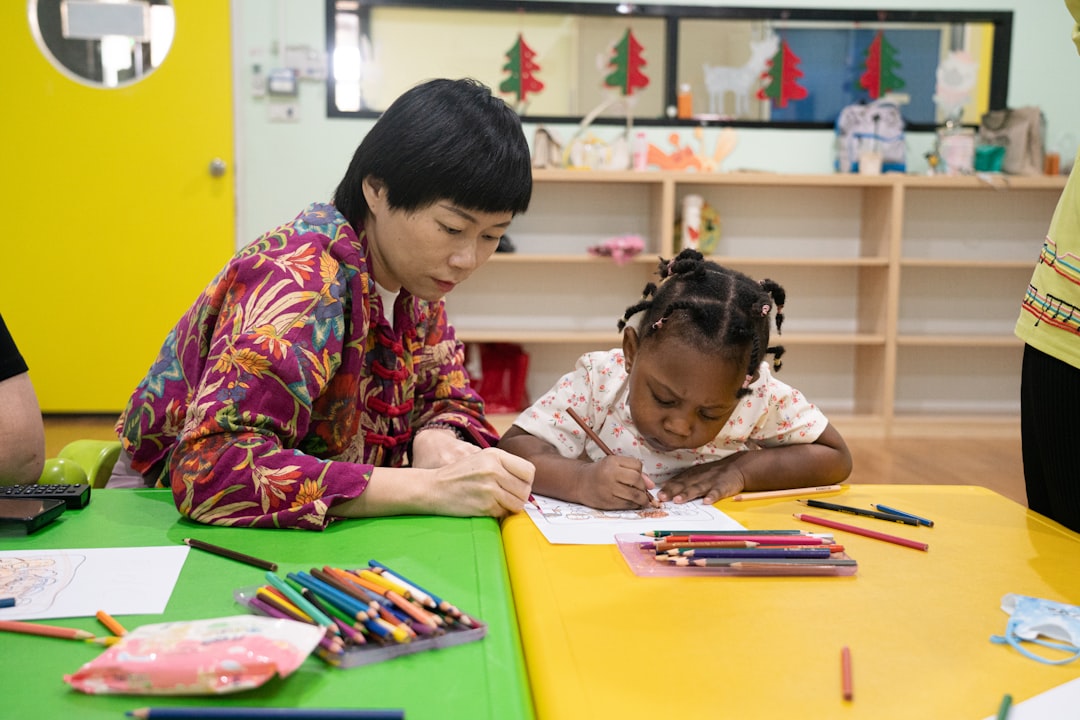
Sensitive periods for order, movement and language overlap in early childhood. A child who seems scattered may be going through a motor development peak. If you offer practical life activities, pouring legumes, cleaning a mirror, watering plants, their body quiets and their mind orders itself. The Spanish Montessori Association insists that these everyday tasks satisfy the need for purposeful movement and build self-esteem. The child stops being “the restless one” and becomes “the one who waters the plants carefully.”

The prepared environment that calms without repressing
A prepared Montessori environment is the opposite of a waiting room where children must keep still. Furniture is child-sized. Materials are accessible and attractive. Aesthetics are simple, without sensory overload. Paradoxically, an orderly and predictable environment relaxes even the most restless child. They know where everything is. They know they can choose. They know that after using a material, they will put it back. That self-imposed routine generates security and reduces the anxiety that often underlies restlessness.
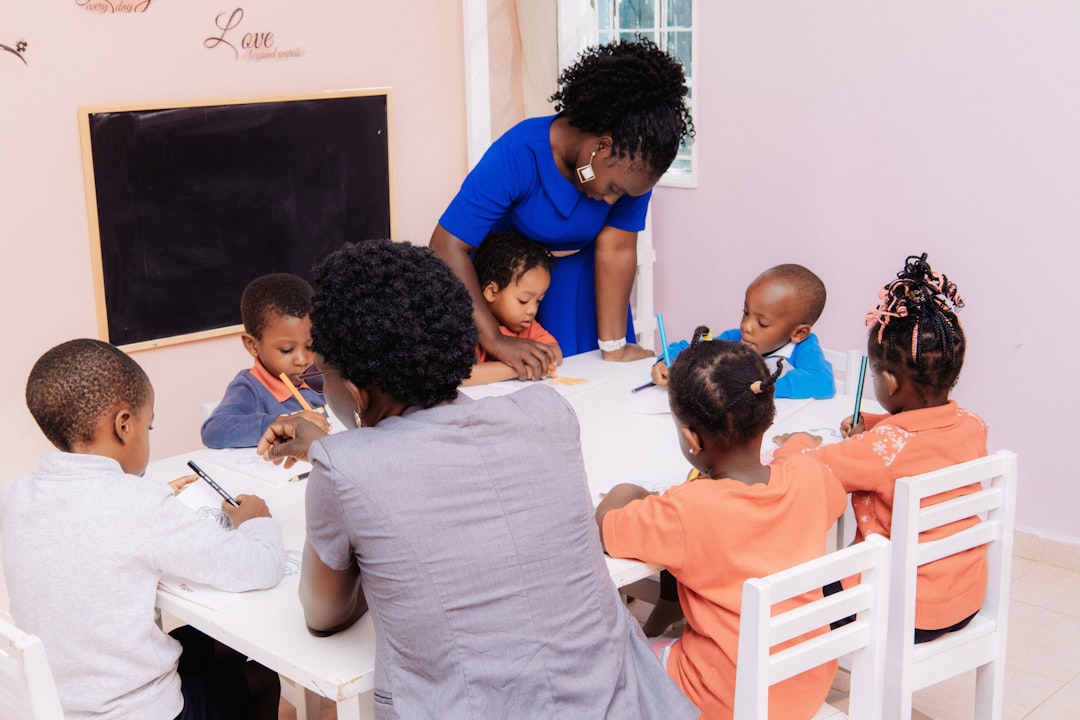
At IMS Sotogrande, every Nido, Children’s House and Workshop classroom is designed to absorb children’s energy and channel it. There are no rows of desks. There are individual work areas, rugs to spread out activities and collaborative tables. A child who gets up several times doesn’t receive a reprimand. They receive an invitation: “Would you like to work with the continent map?”. The answer is almost always a resounding yes. Next time you think “my child is so restless,” ask yourself if their environment allows them to choose or only demands obedience.

What to do when my child is very restless: practical tips for home
Home can also be a prepared environment. You don’t need to buy expensive materials. Small adjustments transform family dynamics:
- Involve the child in real tasks: cooking together, folding laundry, feeding the pet. Purposeful movement reduces impulsivity.
- Create a calm corner with a cushion, books and a couple of sensory activities (a homemade calm-down bottle, for example).
- Avoid verbal punishments like “you’re such a nuisance.” Replace them with objective descriptions: “I see you need to move. Let’s take these books to the shelf.”
- Simplify the environment: fewer toys, stored in low baskets, rotated weekly. Too many stimuli fuel distraction.
These habits, combined with a predictable routine, help the child self-regulate their energy. You’ll see how, little by little, the comment “my child is so restless” becomes “my child is focused on his puzzles.”
The IMS Sotogrande experience: an environment that welcomes vitality
For families in Campo de Gibraltar, from San Roque and Alcaidesa to Estepona or La Línea, our school in Sotogrande is much more than a building. It’s a community where every child is welcome as they are. AMI guides don’t ask a child to sit still for 45 minutes. They read their needs. If a child needs to move before concentrating, they have gross motor activities in the outdoor classroom or in the practical life area. This freedom within structure is what allows children, within a few weeks, to choose to sit and work for long periods. No rewards. No punishments.
Our Spanish-English bilingual program adds cognitive stimulation without overwhelming. A child’s brain absorbs two languages naturally when the context is rich and affectionate. Far from increasing restlessness, bilingualism in a Montessori environment reinforces mental flexibility. Moreover, the emotional support we offer, with yoga, mindfulness and family workshops, teaches children to recognise their emotions and find calm by themselves.
If you live near Gibraltar, Algeciras or the Costa del Sol and are looking for a real alternative to traditional education for a high-energy child, IMS Sotogrande is the place. We don’t put out the spark. We ignite it with direction.
Frequently Asked Questions
Is it normal for my child to be so restless compared to others?
Yes. Motor development varies greatly among children. Maria Montessori described the “absorbent mind” from 0 to 6 years, which needs movement to build thinking. Comparing with others usually generates unnecessary anxiety. Observe whether their restlessness turns into concentration when something truly interests them. That’s the real thermometer.
How do I distinguish between a child who is restless by temperament and a possible attention disorder?
A child with an active temperament responds well to purposeful activities and achieves periods of deep concentration with materials that attract them. If, despite a prepared environment and varied proposals, the child never manages to focus, shows extreme impulsivity and struggles in relationships, it’s advisable to consult a professional. At IMS we collaborate with external specialists when the family requests it, always with respect and prior observation.
From what age can a very active child benefit from the Montessori method?
From birth. Montessori infant communities (Nido) welcome children from 4 to 18 months, and are precisely designed to channel early movement. The sooner an environment that respects the need to explore is offered, the more natural self-regulation becomes at 3 or 4 years old.
Isn’t the Montessori environment too quiet for such an active child?
It’s exactly the opposite. A Montessori environment is dynamic but orderly. Children move, speak softly, carry objects, collaborate. It’s not a silent, rigid space. This constant yet purposeful activity satisfies the need for movement much more than unstructured free play. The “restless” child finds in the Montessori classroom the balance between action and thought.
Key takeaways
The label “my child is so restless” often hides an unmet need for meaningful movement. Montessori pedagogy offers a proven path to transform that energy into concentration, independence and calm. It’s not about controlling the child. It’s about preparing the environment, at home and at school, so that their vitality becomes their greatest strength.
If your child never stops and you feel you need an educational ally, come and see us. At IMS Sotogrande we’ll show you how our classrooms, our guides and our community welcome the most restless children and help them find their rhythm. Because a child who moves is not a problem. It’s a child who is crying out for an environment at their level.









