
Montessori Focus & Concentration: A Guide for International Families in Costa del Sol
In short
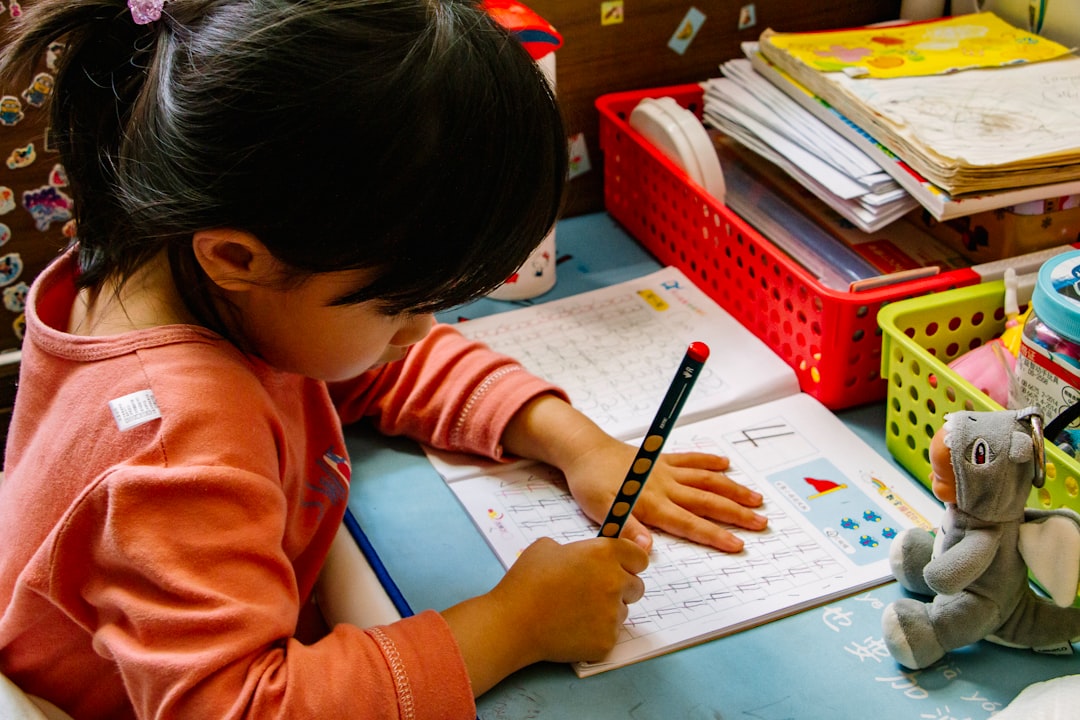
Montessori Focus & Concentration: Watching a child completely absorbed in building a tower or following an ant’s path is, for many parents, a moment of wonder. This state of Montessori concentration doesn’t happen by chance: it’s the result of a carefully designed environment and a guide who knows when to step in and when to step back.

Watching a child completely absorbed in building a tower or following an ant’s path is, for many parents, a moment of wonder. This state of Montessori concentration doesn’t happen by chance: it’s the result of a carefully designed environment and a guide who knows when to step in and when to step back. However, in daily life, constant interruptions and excessive stimuli often break that process before it reaches its peak.
- Deep focus is the foundation of authentic learning and autonomy in the Montessori method.
- A prepared environment with appropriate materials and logical order reduces distraction and fosters sustained attention.
- The three-hour uninterrupted work cycle allows a child to reach states of profound concentration.
- The adult’s role is to protect the child’s work, not to constantly direct it.
What Exactly is Montessori Concentration?
Montessori concentration refers to a child’s ability to focus deeply and for an extended period on an activity they have freely chosen. It’s not about forcing attention, but about creating the conditions for it to emerge naturally. When a child works with a material that meets their internal developmental need, their mind organizes and concentrates. This state is what Maria Montessori called normalization, a process where a child finds peace, discipline, and joy through work.
For this to happen, three factors must align: the child must have freedom to choose, the material must be appropriate for their age and sensitivity, and the adult must guarantee a space where work is not interrupted.

How to Protect Focus at Home and in the Classroom
Protecting Montessori concentration is one of the most important and, paradoxically, most counter-intuitive tasks for adults. Our natural impulse is to help, correct, or simply keep company. However, every time we interrupt a child who is working, we break a thread of thought that may never reconnect. In our IMS classrooms, guides observe and wait. If a child is focused, they are not approached. This is a key part of the work cycle .
At home, you can apply the same principle. If your child is playing or doing a task, avoid interrupting to ask a question, offer a snack, or simply give a kiss. Wait for them to finish their activity cycle. This simple change is transformative.
Book a personalised school visit and discover how our guides protect each child’s work to foster their deep concentration.

The Prepared Environment: The Silent Ally
A chaotic environment, with bright plastic toys and electronic sounds, makes it difficult for any child to find focus. The Montessori prepared environment is the opposite: it’s an orderly, beautiful space with natural materials, organized logically. Everything has its place. This reduces sensory overload and allows the child’s mind to centre on the activity, not on figuring out what to do.
Montessori materials are designed for a single purpose. They are not multi-taskers. A pink tower can only be stacked. A knobbed cylinder block only fits one way. This clarity of purpose helps a child maintain attention until they complete the cycle, gaining the satisfaction of finished work.
Which Materials Foster Concentration at Each Stage
In the Nido (0-3 years), simple sensorial materials like ring posts or a cylinder in a block are perfect. In Children’s House (3-6 years), activities like knobbed cylinders, colour tablets, or bead stringing hold attention for long periods. In the Elementary workshop (6-12 years), history investigations with timelines or science experiments require the kind of sustained attention built in earlier stages.

The Three-Hour Work Cycle: The Key Many Miss
One of the most powerful structures in the Montessori method is the uninterrupted work cycle, which at IMS lasts three hours in the morning. This long block is not a whim. Observational research confirms that children, after an initial “warm-up” period with lighter activities, reach states of deep engagement in the middle of the cycle and then move toward a closing phase. If the cycle is fragmented with mandatory bathroom breaks, meetings, or activity changes, the child never reaches that state of maximum concentration.
Respecting this cycle is one of the greatest gifts a school can give a child. It’s where true learning happens.
The Adult’s Role: Observe and Do Not Interrupt
Many adults are surprised to learn that their primary role in a Montessori classroom is not to teach, but to observe and prepare the environment. Concentration is fragile. A glance, a well-meaning question, or praise at the wrong moment can be enough to pull a child out of their state of focus . The golden rule is: if the child doesn’t ask for help, don’t intervene.
This doesn’t mean abandonment. It means trust in the child’s innate ability to concentrate and solve problems on their own. When the adult trusts, the child flourishes.
Frequently Asked Questions
How long should a 3-year-old concentrate?
There’s no exact time, but a three-year-old in a suitable environment can focus for 20 to 45 minutes on an activity that interests them. Montessori concentration isn’t measured by the clock, but by the depth of involvement. What matters is not the duration, but the quality of attention.
What do I do if my child is constantly distracted?
First, observe the environment. Are there too many toys in sight? Is there background noise or screens on? Simplify the space and offer only a few ordered activities. Then, observe if the material is suitable for their age. A child gets distracted when an activity is too easy, too difficult, or doesn’t match their current interest.
Is it normal for a child to repeat the same activity over and over?
Yes, it’s completely normal and desirable. Repetition is the child’s mechanism for consolidating a skill and achieving mastery. It’s a clear sign they have entered a state of deep concentration . When a child repeats an activity until they are satisfied, they have naturally completed their learning cycle.
Key Takeaways
Montessori concentration is not a privilege of a few children, but a human capacity cultivated with a respectful environment and an adult who knows how to protect childhood work. The key lies in space preparation, freedom of choice, and respect for natural attention cycles.
If you want to see how our guides apply these principles in the classroom, we invite you to discover IMS Sotogrande. You can request information about our admissions process and book a visit to experience the prepared environment first-hand.









