
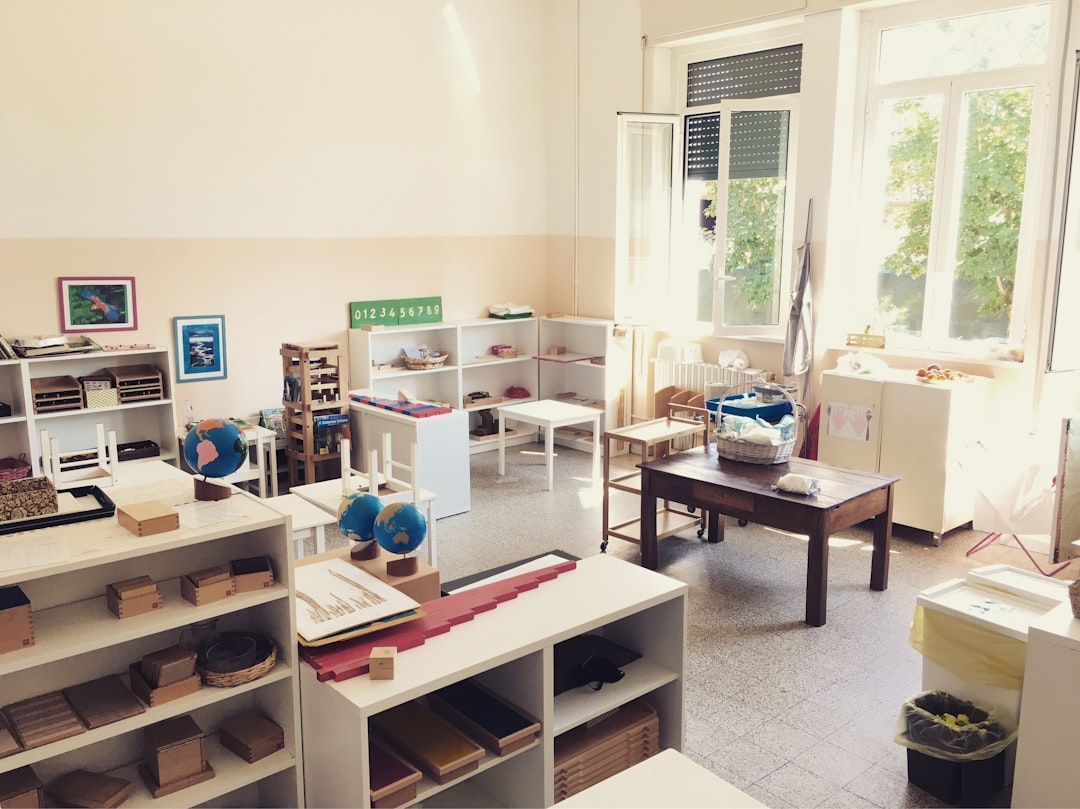
Montessori Fine Motor Skills Activities for Preschoolers: Practical Ideas from IMS Sotogrande
In short
A four-year-old transfers lentils from one bowl to another. It looks like a game, but in reality, they are developing their pincer grasp. These Montessori fine motor skills activities for preschoolers are the foundation of hand-eye coordination and prepare the hand for buttoning, cutting with scissors, and above all, writing.

A four-year-old transfers lentils from one bowl to another. It looks like a game, but in reality, they are developing their pincer grasp. These Montessori fine motor skills activities for preschoolers are the foundation of hand-eye coordination and prepare the hand for buttoning, cutting with scissors, and above all, writing. At IMS Montessori Sotogrande, we see it every day: children conquer their environment with increasingly precise movements.
- Fine Motor Skills Activities for Preschoolers: The Montessori Method
- Benefits of Well-Developed Fine Motor Skills
- Setting Up a Fine Motor Skills Corner at Home
- 5 Montessori Fine Motor Skills Activities for Preschoolers
- Montessori Practical Life: The Natural Gym for Hands
- Frequently Asked Questions
- Key Takeaways
Fine Motor Skills Activities for Preschoolers: The Montessori Method
Montessori does not separate mind from body. From the Infant Community, children choose works that involve grasping, pouring, screwing, or pinching. These are not isolated exercises. They are part of daily life in the classroom. When pouring water from a pitcher or buttoning an apron, they practice the same sequence of movements they will later need to hold a pencil. When it comes to Montessori fine motor skills activities, it pays to listen to what families and lead guides actually report.
In our guides at IMS, every tray has a purpose. For example, the chickpea pouring tray with a spoon is placed at the child’s height on a low shelf. The child takes it, brings it to their table, and repeats the movement until they master it. There is no hurry, no adult correction, only concentration and repetition. That prepared environment is what you can recreate at home too.
If you want to see how we put this into practice in a trilingual setting, you can book a personalized visit to our school in Sotogrande.
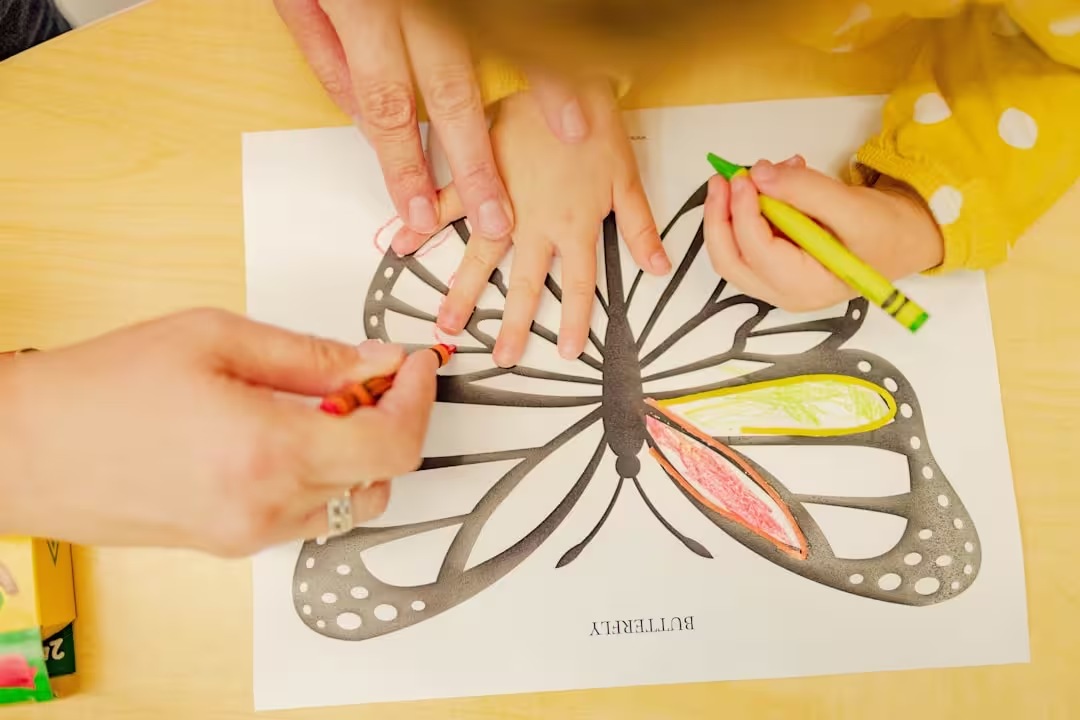
Benefits of Well-Developed Fine Motor Skills
A hand that knows what it does impacts a child’s independence. Buttoning a jacket, peeling a tangerine, or building a block tower no longer cause frustration. Moreover, according to the Association Montessori Internationale, fine manual coordination is directly linked to language development and concentration. It is no coincidence: the same brain circuits that coordinate fingers and eyes are involved in planning complex sequences.
In the 3-to-6-year-old stage, motor refinement is particularly sensitive. A study by the University of Granada confirmed that children who engage in daily manipulative activities show better prewriting strokes by age five. Therefore, investing time in these Montessori fine motor skills activities for preschoolers is sowing confidence for the Children’s House stage.

Setting Up a Fine Motor Skills Corner at Home
You don’t need a Montessori classroom. A tray, a couple of bowls, and natural elements are enough. Create a fixed space on a low table or a shelf within the child’s reach. Change the material each week to maintain interest. Ten minutes of focused work daily are worth more than an hour of worksheets.
Some families tell us that at first their children ignored the tray. However, when they saw mom or dad silently doing the transfer, they approached by imitation. Do not underestimate the power of modeling.
5 Montessori Fine Motor Skills Activities for Preschoolers
- Pouring with a spoon: Two bowls and a small spoon with sesame seeds, lentils, or rice. The child transfers the contents from one container to another without spilling. Works on the pincer grasp, wrist, and eye-hand coordination.
- Screwing and unscrewing: A basket with lids of different sizes and small bottles. Matching them trains finger strength and rotational precision.
- Threading macaroni: A thin cord and hollow macaroni. The patience required to thread each piece strengthens sustained attention and finger dissociation.
- Clothespins: Wooden clothespins and a piece of cardboard. Opening and closing the clothespin involves muscular effort that prepares the hand for pencil grip.
- Cutting streamers: Strips of colored paper and blunt-tipped scissors. Cutting straight and curved lines reinforces visual-motor control and bilateral coordination.
With these ideas, Montessori fine motor skills activities for preschoolers become an absorbing game. The essential thing is not the result, but the voluntary repetition.
Montessori Practical Life: The Natural Gym for Hands
In Montessori, fine motor skills are not trained with workbooks. They are lived. Peeling an egg, squeezing an orange, or folding napkins are precision exercises that also build self-esteem. The child does not work on motor skills because we tell them to, but because they want to participate in the real tasks they see at home.
At IMS Sotogrande, the food preparation table is one of the busiest spaces. There, children cut bananas with a dull knife, spread cheese on toast, or prepare lemon water. Each action requires delicate and planned movements. Often, parents ask us how to replicate this at home. The answer is simple: include it in daily life. Let your child snap green beans for dinner or pour water into their glass. The control of error is immediate. If it spills, they clean it up. That is real learning.
Frequently Asked Questions
At what age do the benefits of these activities become noticeable?
From the first year, a baby grasping a piece of banana is already working on the pincer grasp. But it is between ages 2 and 5 that the explosion of fine movements accelerates. A four-year-old sharpening a pencil with a manual sharpener is perfecting wrist rotation and finger strength. There is no rush: each child follows their own pace.
What Montessori fine motor materials can I buy or make at home?
You don’t need a big investment. Wooden trays, ceramic bowls, and natural objects (pinecones, shells, seeds) are ideal. The Spanish Montessori Association recommends avoiding plastic and seeking real textures. You can make sewing cards from cardboard and laces, or create a board with locks and keys. The key is to isolate the difficulty: one challenge per tray.
My child gets frustrated and abandons the activity. How can I help?
First, observe without intervening. Maybe the tray is too difficult for their moment. Simplify: if pouring lentils with a spoon is hard, start with hands. If they get upset about not buttoning, offer large buttons and a fabric frame. And remember: modeling the activity in silence, beside them, often sparks more curiosity than a thousand explanations.
Key Takeaways
Strong fine motor skills are not achieved with hurry or comparisons. They are woven day by day, with simple gestures that respect each child’s natural development. At home or at school, practical life activities and prepared materials provide the perfect scaffolding.
If you want to learn more about how we accompany this process at our Montessori school in Sotogrande, we invite you to write to us at [email protected] or schedule a visit. There is no better way to understand the pedagogy than to see it in action.









