
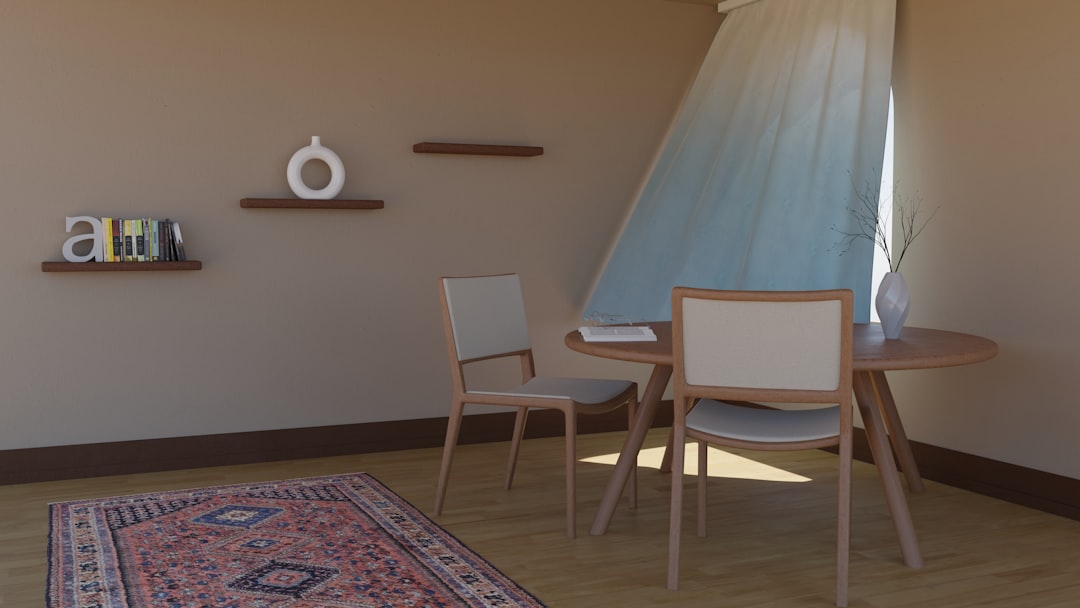
Montessori Calm Corner Materials: A Complete Guide for Parents

Montessori calm corner materials are sensory and self-regulation objects that help a child return to emotional balance. In Montessori, this space is not a punishment, but a place where the child recognizes their emotions and regains calm on their own. You don’t need to spend a lot of money: the key is to choose few, natural materials adapted to each age.
- Key Points
- What is a Montessori Calm Corner (and What It's Not)
- Montessori Calm Corner Materials by Age: 0 to 6 Years
- Calm Corner Materials for 6 to 12 Years
- How to Organize the Calm Corner Without Overloading It
- From Home Calm Corner to Montessori Classroom in Sotogrande
- Frequently Asked Questions
- Key Takeaways
Key Points
- The calm corner is a self-regulation space, not a place for punishment.
- Materials should be sensory, limited, and accessible for the child.
- They vary by age: from soft objects and sensory bottles in Nido to breathing cards and emotional journals in Taller.
- Less is more: an overloaded corner loses its function.

What is a Montessori Calm Corner (and What It’s Not)
A Montessori calm corner is a prepared physical space where the child can voluntarily retreat to regulate their emotions. It is not a place they are sent as a consequence of a tantrum, because then they will associate it with rejection. Therefore, it should always be available, with materials that invite calm and without overstimulating elements.
The Association Montessori Internationale (AMI) describes the prepared environment as a space that responds to the child’s physical and emotional needs. For example, a comfortable cushion, dim lighting, and a sensory bottle are enough to create a safe refuge. In contrast, a tablet or a noisy toy break that balance.

Montessori Calm Corner Materials by Age: 0 to 6 Years
Montessori calm corner materials change according to the developmental stage. In Nido and Children’s Community (0-3 years), the child mainly needs sensory experiences and physical containment.
0 to 3 Years: Calm Through the Senses
For the youngest, choose objects that don’t require complex verbal instructions. Sensory bottles with water, glitter, and food coloring, soft balls with different textures, or an unbreakable mirror are ideal. Additionally, a large cushion or a soft blanket allow the child to lie down and regain postural control. However, avoid small objects that could be put in the mouth without supervision.
3 to 6 Years: Intentional Self-Regulation
At this age, the child begins to name their emotions. Therefore, include cards with faces expressing joy, sadness, anger, or fear. A 2-minute hourglass helps visualize pause time. The calm bottle with glitter remains a classic, but now the child can shake it and observe how the particles settle while breathing. Also useful are books about emotions, a soft music box, and homemade playdough to release tension.
If you want to see how we apply these principles in our prepared environment, book a personalized school visit.

Calm Corner Materials for 6 to 12 Years
In Taller (6-12 years), calm corner materials incorporate more cognitive strategies. At this age, the child can already understand the relationship between breathing, thought, and emotion.
An emotional journal, cards with breathing exercises (like square or counted breathing), and a stress ball are basics. Mandalas for coloring and headphones with nature sounds help lower activation. In contrast, logic challenges are not recommended in this space, because they activate the mind instead of calming it.
In the Taller at IMS Sotogrande, this corner is part of the classroom because emotional self-regulation is worked on as another skill. Thus, children learn to use it when they need it, without feeling singled out.
How to Organize the Calm Corner Without Overloading It
Less is more. An overloaded calm corner confuses and overstimulates, which is the opposite of what we seek. Therefore, select between 4 and 6 visible materials and store the rest in a box to rotate them every few weeks. Rotation maintains interest and avoids boredom.
Place the corner in a quiet area of the house, away from kitchen noise or the main living room. However, it should be in the adult’s sight to be able to accompany if the child asks. A common mistake is using the corner as a threat: “if you don’t calm down, you’re going to the corner.” That turns a resource for autonomy into a covert punishment. In contrast, it’s more effective to invite: “I see you’re angry, would you like to go to your corner?”
The Spanish Montessori Association reminds that the goal is not for the child to isolate, but to learn to self-regulate. Therefore, the adult can accompany silently at first and gradually withdraw.
From Home Calm Corner to Montessori Classroom in Sotogrande
Many families in Sotogrande, Alcaidesa, or San Roque ask us how to bring the calm corner from the classroom to home. The answer is simple: replicate the simplicity, not the exact materials. You don’t need to buy expensive furniture or themed decoration. A corner with a cushion, a sensory bottle, and a breathing card can be just as effective.
At IMS Sotogrande, the calm corner is part of our prepared environments from Nido to Taller. Therefore, when you come to visit us, you’ll see how children use it naturally and respectfully. If you’re considering a bilingual Montessori school for your child, this is a good example of the emotional work we do daily.
Frequently Asked Questions
What Materials Are Essential for a Montessori Calm Corner?
A comfortable cushion, a sensory bottle, a visual timer, and an emotion card are the four basics. With them, the child can calm down alone or with accompaniment, without needing many more elements.
At What Age Can a Calm Corner Be Used?
It can be introduced from 18 months, always with supervision and materials adapted to the stage. Before that age, the child doesn’t yet understand the function of the space, although they can enjoy a sensory corner with cushions and textures.
How to Prevent the Calm Corner from Becoming a Punishment?
Never send the child to the corner as a consequence of a tantrum. Instead, invite them to use it when you notice they need a pause. The corner should always be available, even in calm moments, so the child associates it with well-being and not rejection.
Key Takeaways
Montessori calm corner materials work when they are few, sensory, and accessible. It’s not about filling a space with objects, but offering the child real self-regulation tools. From a glitter bottle in Nido to an emotional journal in Taller, each stage has its own resources.
If you want your child to grow up in an environment that respects their emotions and teaches them to manage them, I invite you to learn about IMS Sotogrande. Schedule a visit and see how a prepared environment makes a difference. Book your visit here.









