
Montessori Baby Weaning: What Can a 6-Month-Old Eat? A Guide for Families in Sotogrande & Costa del Sol
In short
When a baby reaches six months, many families wonder what a 6-month-old can eat. Complementary feeding is much more than adding nutrients: it's the first step toward independence and sensory exploration. At IMS Sotogrande, we accompany families from the Nest (0-3 years) with a Montessori approach that turns every meal into a learning experience.
When a baby reaches six months, many families wonder what a 6-month-old can eat . Complementary feeding is much more than adding nutrients: it’s the first step toward independence and sensory exploration. At IMS Sotogrande, we accompany families from the Nest (0-3 years) with a Montessori approach that turns every meal into a learning experience. Last week a mother from our community confessed: “I was afraid my daughter wouldn’t know how to chew, but when she saw the banana in her little hands, she grabbed it with such determination that I understood she knew exactly what to do.” That moment of mutual trust is the heart of Montessori complementary feeding. In this article we explore Montessori baby weaning in depth with practical examples.
Montessori Baby Weaning: Safe and Nutritious Foods for a 6-Month-Old
The World Health Organization (WHO) recommends starting complementary feeding at exactly six months. The digestive system is ready to receive foods other than breast milk or formula. The important thing is not the quantity, but the variety and exposure to real flavors. Here are the food groups a 6-month-old can start trying:
- Soft fruits: ripe banana, pear, cooked apple (as compote or large pieces), avocado.
- Vegetables: pumpkin, sweet potato, cooked carrot, zucchini, well-cooked green beans. Avoid raw leafy greens, but you can offer them cooked and pureed.
- Gluten-free grains: rice, corn (as porridge or soft patties). Wheat and oats come later.
- Mild proteins: chicken, turkey, beef (cooked and shredded), red lentils (well-cooked and pureed), hard-boiled egg yolk (egg white from 9-12 months).
- Healthy fats: a drizzle of extra virgin olive oil on porridge or spread on a soft, salt-free toast.
Although the temptation to offer commercial baby food is strong, the Montessori method opts for fresh foods and adapted pieces. This way the baby connects with the origin of food and develops chewing muscles. There’s no rush: each baby sets the pace.
Book a personalized school tour to see how we approach feeding in our Nest environment.
The Montessori Perspective: What Can a 6-Month-Old Eat? Encouraging Independence
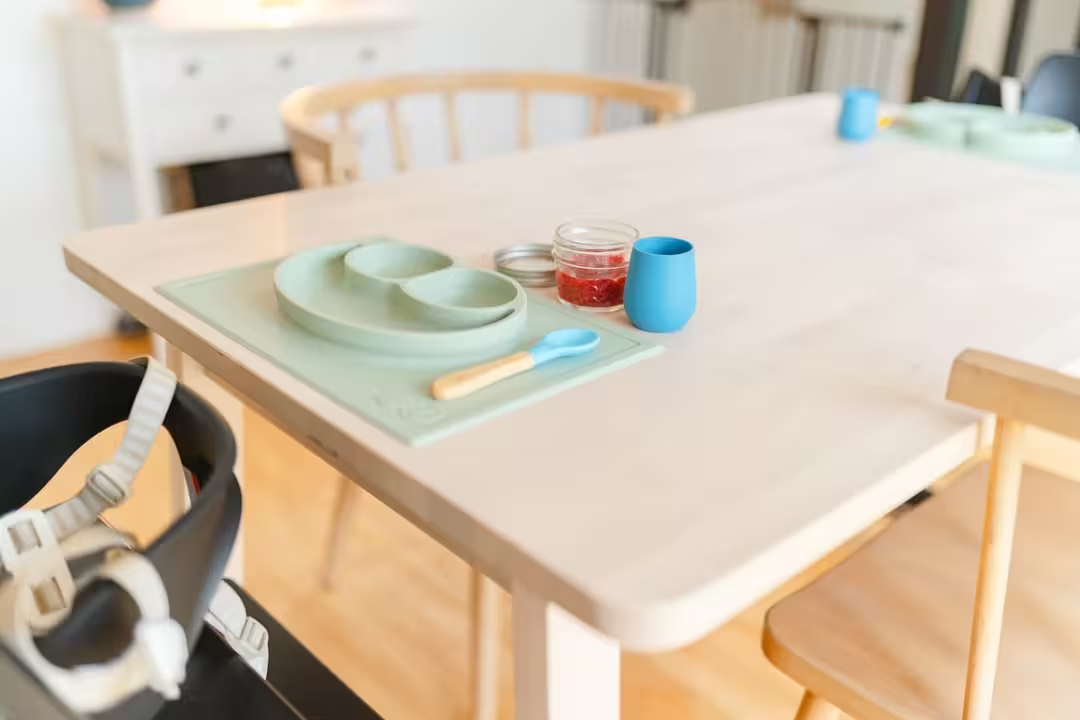
In a Montessori environment, the question what can a 6-month-old eat transforms into “how can I help them feed themselves?” Maria Montessori observed that young children need freedom to explore with all their senses. The weaning table, with adapted plates and utensils, allows the baby to participate actively from day one. It’s not about how much they swallow, but about experiencing: touching the fruit, smelling it, bringing it to their mouth by themselves.
Baby-led weaning (BLW) fits perfectly with the Montessori philosophy: offering large pieces of soft food (fist-sized) for the baby to grasp and chew. At first, more food will end up on the bib than in the tummy, and that’s fine. Milk remains the main food until 12 months, so the pressure is off.
Safe Textures and Cuts at 6 Months
For the baby to eat safely, foods should be soft (easily mashed between fingers) and cut into thick sticks or large pieces. Avoid round shapes (grapes, cherry tomatoes) or whole nuts. Always under supervision and with the baby sitting upright.
A weekly example might include: Monday, steamed pumpkin sticks, Tuesday, banana with partial peel so they can hold it, Wednesday, avocado in thick slices, Thursday, well-set omelet cut into strips, Friday, roasted sweet potato. Repetition is key to palate familiarization.

What Can a 6-Month-Old Eat and What Foods to Avoid Completely
Although the list of allowed foods is broad, some should not appear on a 6-month-old’s plate:
- Honey (risk of infant botulism).
- Added salt and sugar.
- Cow’s milk as a main drink (only small amounts in preparations).
- Large fish (due to mercury) and raw shellfish.
- Hard or small foods that pose a choking risk: whole nuts, popcorn, raw carrot.
- Ultra-processed foods, commercial juices, sugary cookies.
At IMS Sotogrande, we share an updated personalized list with families during the first Nest meetings. Additionally, every Friday we send a detailed report with daily observations, including how the meal went, whether the baby accepted new flavors, and which strategies worked. This continuous communication helps maintain consistency between home and school.
Auditing the habits of some families in the Campo de Gibraltar area, we see that the biggest mistake is starting with very liquid and monotonous purees. The baby gets used to not chewing, and by six months they are ready for more solid textures. The Spanish Pediatric Association (AEPED) supports that gluten introduction can happen between 4 and 11 months, preferably while still receiving breast milk, to reduce the risk of celiac disease.
Frequently Asked Questions
How do I know if my baby is ready to start solids?
In addition to being six months old, look for these signs: sits with support, shows interest in food (looks, reaches), has lost the extrusion reflex (pushes spoon out with tongue), and can bring objects to mouth. If not all are present, there’s no rush: each development is unique.
What if my baby refuses a food?
It’s normal for a sour face to discourage us at first. In Montessori, we respect the “no” without forcing. We offer the same food on separate days and in different textures (cooked, steamed, pureed). The key is repeated exposure without pressure. Sometimes, preparing the table together and letting the baby see the adult eating the same food sparks curiosity.
Can I combine breast milk and complementary feeding?
Yes, and it’s ideal. Until 12 months, breast milk (or formula) remains the nutritional base. Solid food complements, not replaces. You can offer the breast or bottle before the meal so the baby isn’t overly hungry and is more willing to explore.
Key Takeaways
Starting feeding at six months is a window of sensory and emotional opportunity. It’s not a race to see who eats more, but a dance where the baby leads and the family offers real, varied, safe foods. Trusting their innate ability to self-regulate is the greatest gift we can give.
If your child is reaching this stage or you have questions about adapting your home environment, at IMS Sotogrande we accompany you from the Nest. Our Montessori guides observe and record every milestone so you can replicate the independence experience at home. Because a Montessori table nourishes not only the body: it nourishes self-esteem.









