
Bilingual Montessori School Sotogrande: How to Develop Concentration from Birth
In short
Every time you interrupt your child while they are absorbed in a task, even if it’s just stacking blocks or watching water from the tap, you are breaking a period of concentration that their brain needs to develop. Concentration is not a skill trained with forced exercises.

Every time you interrupt your child while they are absorbed in a task, even if it’s just stacking blocks or watching water from the tap, you are breaking a period of concentration that their brain needs to develop. Concentration is not a skill trained with forced exercises. It is a natural process that begins in infancy and, if protected, flourishes on its own. At IMS Sotogrande, we have spent over two decades observing how this process works in children of all ages. In this article we explore bilingual school Sotogrande in depth with practical examples.
- Concentration is an internal process the child builds, not a behavior the adult imposes from outside.
- The prepared environment (order, accessible materials, minimal distractions) is the factor that most influences children’s attention.
- Adult interruptions are the main enemy of concentration periods between ages 0 and 6.
- Each plane of development has its own attention signals and requires different support from the family.
- Voluntary repetition of an activity is the best sign that concentration is working.
What neuroscience says about child concentration
Concentration in young children does not work like it does in adults. An adult can force attention for an hour on a task they dislike. A 3-year-old child cannot and should not do this. Their brain focuses when something genuinely attracts them and when the environment does not interrupt them. According to the Association Montessori Internationale (AMI), the period of concentration is the key moment of learning: when a child repeats an activity until satisfied, their nervous system organizes and calms itself. When it comes to bilingual school Sotogrande, it pays to listen to what families and lead guides actually report.
Neuroscience confirms what Maria Montessori observed over a century ago. Studies on brain plasticity show that sustained attention in the early years strengthens prefrontal connections, the same ones that later manage planning, self-control, and problem-solving. Protecting a young child’s concentration is literally building the foundations of their executive intelligence. Daily practice with bilingual school Sotogrande reveals nuances no handbook fully captures.

How to protect concentration at home by age
0 to 3 years: observe without intervening
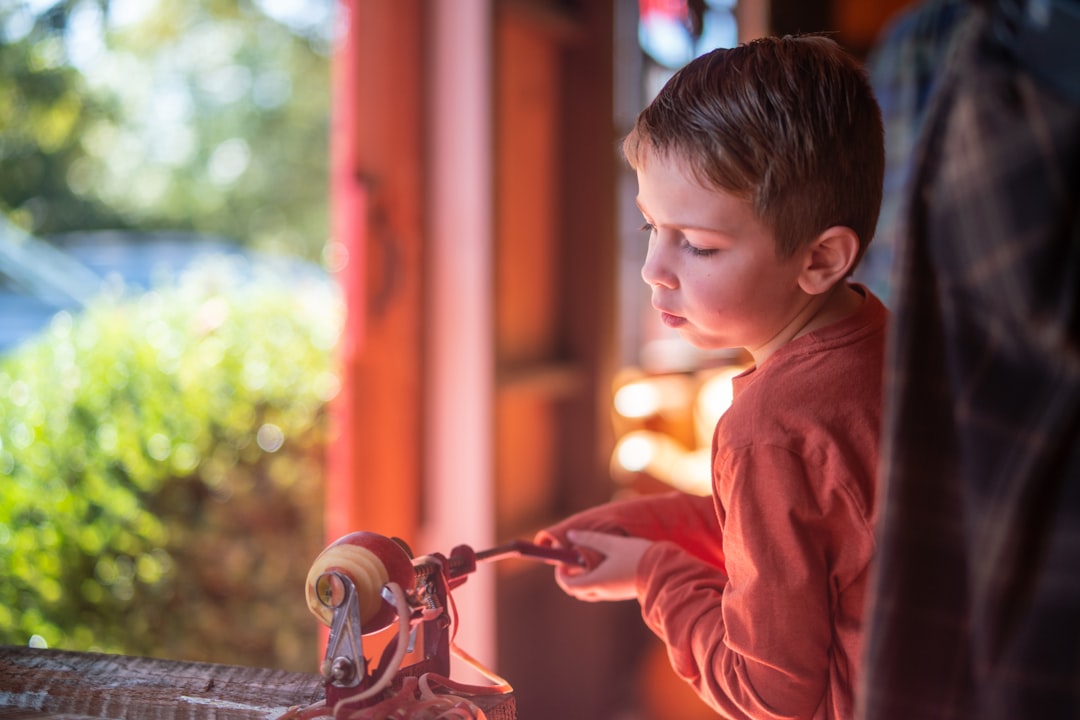
Your baby stares at a light on the wall. Your 18-month-old repeats opening and closing a drawer twenty times. Your 2-year-old pours water from one cup to another non-stop. These are authentic periods of concentration. The golden rule at this stage is simple: if the child is safe and absorbed, do not interrupt. Do not call them over to teach them something “better.” Do not correct their posture. Do not hug them because you feel like it in that moment. Wait. Understanding bilingual school Sotogrande from inside the classroom reshapes everyday decisions.
In the Nido at IMS, we see this dynamic every day. The youngest children choose an activity, repeat it until satisfied, and then leave it. No guide tells them when to start or when to finish. That is respecting the period of concentration. Concrete data on bilingual school Sotogrande is worth reviewing before acting on assumptions.
3 to 6 years: offer an orderly environment
In Children’s House, concentration is sustained by a factor many parents underestimate: order. A 4-year-old who knows where their materials are and what to do with them concentrates better than one surrounded by toys piled up haphazardly. You don’t need more toys. You need fewer, accessible, and in their place.
Offer limited choices: three or four activities visible on low shelves. Let the child choose. If they choose an activity and repeat it several times, do not suggest changing. Voluntary repetition is the clearest sign that concentration is working at full capacity.
6 to 12 years: respect deep work
In Elementary (ages 6-12), concentration changes format. Children no longer repeat mechanically: they seek longer projects, research, group work that requires planning. Here the family challenge is different: respect that your child might need two uninterrupted hours for a school project without cutting it short for a fixed dinner time. Negotiate schedules, but don’t break the flow when they are immersed.
The relationship with screens also changes. An 8-year-old who watches short videos between tasks never reaches deep concentration. Attention fragmented by rapid stimuli weakens the ability to sustain focus on complex tasks.
Book a personalized school visit to see how our guides protect concentration in every classroom.

The most common mistakes that break concentration
The first and most common: interrupting to praise. Your child is fitting puzzle pieces together and you say, “Well done, sweetheart!” It seems positive, but you’ve broken their focus. Save your comment for when they lift their head and seek your gaze.
The second mistake: overloading the environment. More toys do not mean more learning. They mean more distraction. A living room with 30 toys in sight fragments attention. A room with 4 accessible activities sustains it. At IMS, each classroom has materials on open shelves, organized by areas, with a single set of each type. That’s not aesthetic minimalism, it’s applied pedagogy.
The third mistake: forcing concentration in rigid schedules. Making a 5-year-old sit at a table for 40 minutes when their body needs to move does not train attention. It destroys it. Children’s concentration needs movement: the child who gets up, chooses another material, and sits back down is regulating their attention autonomously.

How concentration is nurtured in the Montessori classroom
At IMS Sotogrande, the work morning in Children’s House has a three-hour uninterrupted structure. There is no mid-morning recess. No bells to break the flow. Each child works with their material for as long as they need. Some children choose an activity and repeat it all morning. Others change activities every fifteen minutes. Both paths are valid: the guide observes and only intervenes if the child needs support.
The role of the adult in a Montessori classroom is not to direct the child’s attention. It is to prepare the environment so attention appears spontaneously and to protect it when it arises. That’s why IMS guides speak softly, kneel to look the child in the eye, and wait before intervening. Every avoided interruption is a gift for the child’s brain.
If you want to see this dynamic in action, book a personalized school visit. Seeing a Montessori classroom in operation will change how you understand children’s attention.
Screens and concentration: what the evidence says
Screens don’t need to be demonized, but we do need to understand how they affect attention. A study published by the Spanish Association of Pediatrics (AEP) indicates that screen use before age 2 offers no cognitive benefits and can interfere with language development and joint attention. Between ages 3 and 6, fast-paced content (YouTube shorts, games with constant stimuli) fragments attention and makes it difficult for the child to concentrate on slower-paced tasks like reading, building, or drawing.
The practical recommendation is not to ban, but to structure: screens at defined times, never as background noise, and always after activities that require concentration. If your child plays freely for an hour and then watches twenty minutes of a chosen program, you are protecting their attention capacity. If the television is on all day, you are eroding it.
Frequently asked questions
Is it normal for my 3-year-old to not concentrate for more than 5 minutes?
Yes, it’s completely normal. At 3 years old, an authentic period of concentration can last between 5 and 15 minutes. What matters is not the duration, but that the child is truly absorbed in the activity they have chosen. If they repeat the activity several times in a row, concentration is working even if each round lasts a short time.
Should I worry if my child changes activities constantly?
Not necessarily. There are two possible readings. If the child changes activities because the environment offers too many visible options, reduce the number of materials in sight. If they change because they are exploring before committing to a task, let them: it’s part of the process. Only worry if the child never engages with anything for weeks, and consult with the school or a specialist.
Do homework assignments fail to train concentration in primary school?
Repetitive, meaningless homework does not train concentration: it trains obedience. An 8-year-old who researches volcanoes for an hour because they’re intrigued is truly concentrating. The same child copying definitions from a book is enduring a task, not concentrating. In IMS Elementary (ages 6-12), projects are designed so the child needs deep time, not sitting time.
How does sleep affect children’s concentration?
Directly. A 4-year-old who sleeps 9 hours instead of the recommended 11 has 30% less sustained attention capacity the next day, according to data from the American Academy of Pediatrics. Concentration is not fixed with exercises or supplements: it starts with a good night’s rest and a predictable sleep routine.
Key takeaways
Concentration in children is not trained with worksheets, extracurricular classes, or educational apps. It is protected by respecting natural periods of attention, offering an orderly environment with accessible materials, and avoiding adult interruptions. Every time you let your child finish what they started without cutting them short, you are giving them a concentration experience that strengthens their brain.
The next step is to observe: notice how many times you interrupt your child today when they are absorbed in something. Write it down. If you reduce it by half in two weeks, you will notice real changes in their attention capacity. And if you want to see how concentration works in a real Montessori classroom, book a visit to IMS Sotogrande and see for yourself.
Viviane Dumont, Director of Studies at IMS Sotogrande, Association Montessori Internationale









