
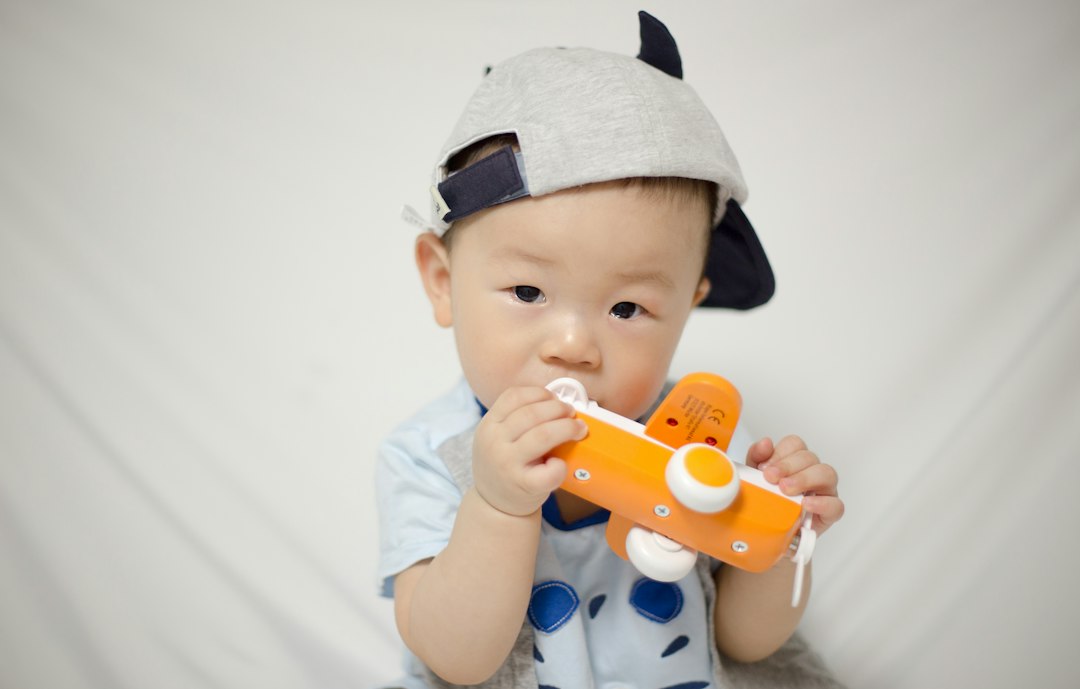
9 Month Old Baby Teething: Teeth, Signs and Gummy Relief

When you’re searching for 9 month old baby teething, the first thing you want to know is whether your little one is on track. The answer is straightforward: at 9 months, most babies have between two and four baby teeth, almost always the two lower central incisors plus a few on top. But some babies haven’t cut a tooth yet, and that’s completely normal too. Baby teething is a highly variable process, and the discomfort depends not on how many teeth have come through, but on the pressure each one applies on its way out.
In Summary
- The first teeth usually appear between 6 and 12 months: at 9 months, two or four is most common, but zero teeth is still within the normal range.
- The most reliable eruption signs are drooling more than usual, putting everything in the mouth, and waking more at night for two or three days.
- What actually works is gentle cold and pressure with a safe teether: pharmacy creams and amber necklaces have no supporting evidence.
- Call your pediatrician if there’s high fever, complete food refusal or heavy diarrhea: those symptoms usually have a different cause.

Which Teeth Does a 9-Month-Old Baby Have, and What Order Do They Come In?
The most common pattern starts with the lower central incisors, between 6 and 10 months. Then come the upper central incisors, around 8 - 12 months. At 9 months, a typical baby has those two on the bottom and is starting to swell the ones on top.
However, the timeline varies a lot. One baby may cut a first tooth at four months while another shows none until age one. The American Academy of Pediatrics stresses that the normal range is very wide and that the date of the first tooth says nothing about future dental health.
If you want an idea of what’s coming, this table summarizes the stages. Ages of appearance are always approximate.
| Stage | Approximate Age | Teeth Coming In | Most Typical Signs |
|---|---|---|---|
| First teeth | 6 - 10 months | Lower central incisors | Drooling, chewing on gums, more restless nights |
| Second wave | 8 - 12 months | Upper central incisors | Red gums, chewing on fists |
| Lateral incisors | 9 - 13 months | Side incisors | Discomfort chewing hard foods |
| Molars | 13 - 19 months | First molars | More irritability and occasional food refusal |
| Canines and second molars | 16 - 30 months | Canines and second molars | Longest and most variable stage |

How to Soothe Your Baby’s Sore Gums
The goal isn’t to eliminate the discomfort (that’s part of the process) but to reduce the pressure and stay close. Gentle pressure and cool (not freezing) temperature are the two tools with the best balance of relief and simplicity.
- Safe teethers: one-piece, not liquid-filled, and small enough to fail the toilet-roll tube test. Chill them slightly, never freeze them: ice-cold surfaces can burn the gum.
- Clean cool cloth: a damp gauze pad from the fridge, rubbed gently over the gum, relieves within seconds and lets you feel exactly where the lump is.
- Cold soft food: if your baby is already eating, a well-chilled purée or a piece of fruit from a mesh feeder soothes while also practising chewing.
Massaging with a clean finger works, but keep it short: thirty seconds of steady pressure is enough.
What Not to Use
The FDA, the US Food and Drug Administration, warns against several popular teething remedies. Best to keep them out of the house:
- Benzocaine or lidocaine gels and creams: they offer little to no benefit for teething pain and are associated with serious risks. Benzocaine, for example, can cause methemoglobinemia, a serious and sometimes fatal condition that greatly reduces how much oxygen the blood can carry.
- Teething necklaces, bracelets and other jewelry, amber included: the FDA has received reports of deaths and serious injuries in babies and children, including strangulation and choking.
- Homeopathic teething tablets: the FDA warns they can be dangerous to children.
- Frozen teethers: an object that is too hard can hurt your baby’s gums. Choose a firm rubber teether with no liquid inside, and don’t freeze it.

Teething in Babies: What Everyday Life Looks Like With a 9-Month-Old
Teething in babies shows up more in the small gestures than in dramatic symptoms. A 9-month-old with teeth about to come through usually drools more, sleeps worse for three or four nights, and looks for something to bite on. They don’t completely lose their appetite and don’t become lethargic.
Baby Tooth Development: What’s Happening Under the Gum
Baby tooth development starts long before birth: tooth buds form during the second trimester of pregnancy. The tooth pushes up, presses against the bone, and the gum thins until it breaks through. That’s why the whitish bump you sometimes feel can show up two weeks before the tooth is visible.
Primary teeth matter a great deal: they hold space for the permanent teeth and make chewing possible. From the very first tooth, brush them twice a day with a children’s toothbrush and a smear of fluoride toothpaste the size of a grain of rice, as the American Academy of Pediatrics advises. Spain’s General Council of Dentists, the Consejo General de Dentistas, specifies a toothpaste with 1,000 ppm fluoride. If no tooth has come through yet, it recommends wiping the gums with gauze moistened with water.
Teething Checklist: What to Have at Home This Week
Before you buy anything, review this list. Almost everything that works you already have.
- Two one-piece teethers, washable, with no liquid inside.
- A dedicated gauze or muslin cloth you can dampen and chill.
- A fixed, easy-to-reach spot where your baby can get to their relief.
- The pediatrician’s phone number visible, for questions that can’t wait.
- A notebook to log two days of symptoms: it really helps tell teething apart from something else.
Frequently Asked Questions
Is it normal that my 9-month-old has no teeth yet?
Yes, it’s completely normal. Tooth eruption covers a very wide range, and the first tooth can come any time between 6 and 12 months without indicating any health problem. If no tooth has appeared by 18 months, mention it at your pediatrician visit to rule out other causes.
Can teething cause fever or diarrhea?
Teething can raise temperature slightly and soften stools a little, but it doesn’t explain a high fever or heavy diarrhea. If your baby’s temperature goes above 38°C, they refuse food, or have more than three loose stools a day, the cause is usually something else and you should call your pediatrician.
What can I give my 9-month-old to stop them biting their hand?
Offer a safe one-piece teether and guide their hand toward it every time they put a fist in their mouth. At 9 months your baby needs pressure on the gum, and a teether delivers it more cleanly and usefully than a hand, especially if you hand over one that’s slightly chilled from the fridge.
How many teeth should a 9-month-old have?
At 9 months the most common count is between two and four teeth, usually the two lower central incisors plus at least one on top. However, one, none, or even six teeth are all within the normal range. What guides you is less the number than the order in which they come in.









