
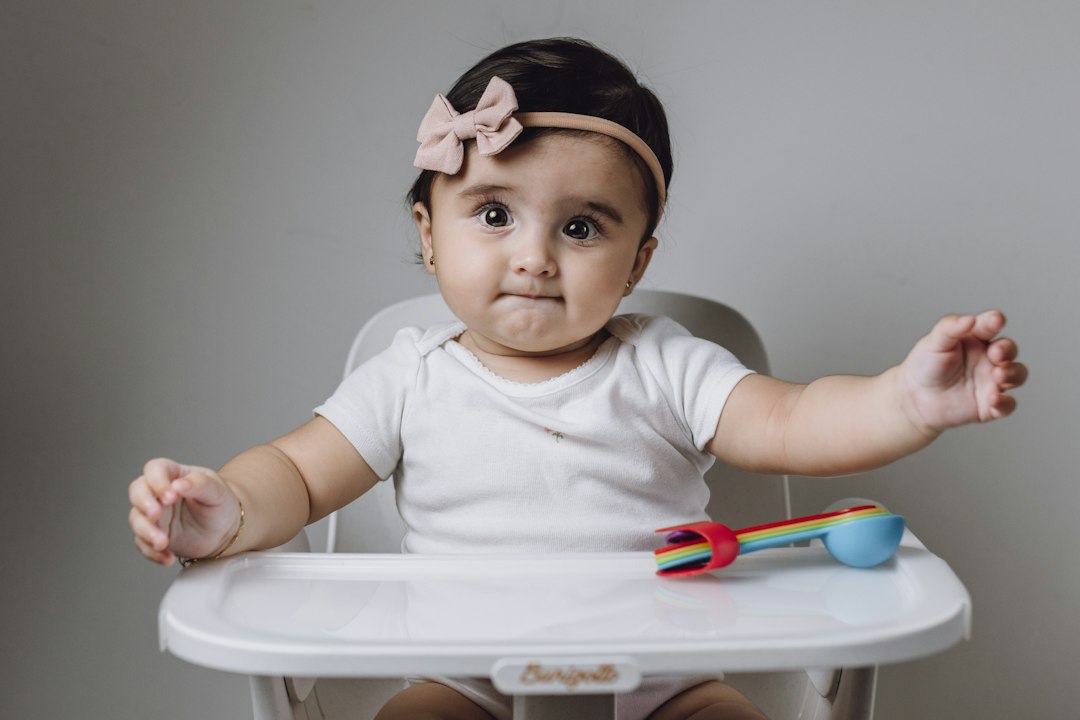
8 Month Old Baby Food: Textures, Portions, Weekly Menu & Recipes

Feeding an 8 month old baby marks a turning point: your little one is eating with more texture, sitting more steadily and starting to want to grab everything with their hands. In this guide you’ll find which foods to offer, how many meals a day, which texture fits their age and how to build a weekly menu without stressing out. All with concrete examples and a summary table so you never lose sight of the big picture.
In short
- At 8 months your baby moves from 2 to 3 solid food meals a day, in addition to milk (breastmilk or formula), which remains their main source of nutrition.
- Textures are mixed: thick purée, fork-mashed foods and soft chunks they can squash with their gums.
- Introduce foods from every group (vegetables, fruit, cereals, pulses, meat, fish, egg) and allergens like egg, fish or peanut following your paediatrician’s guidance.
- Offer water in a cup with meals and let them eat with their hands: independence is now part of learning to eat.

What to eat at 8 months: textures and food groups
An 8 month old baby needs between 2 and 3 solid food meals a day, plus milk, which still provides most of their calories. This isn’t about replacing breast or bottle feeds, but about adding solid food with the right texture.
The key test is this: if the food squashes between the tongue and the roof of the mouth, your baby can manage it. Cooked courgette, potato, ripe banana, steamed broccoli, well-cooked and mashed chickpeas. Anything that mashes with a fork works well.
The three textures in play now
At this age, three textures coexist in the same meal. First, thick purée, thicker than the 6-month version. Second, foods mashed with a fork, which add soft lumps. Third, soft chunks your baby picks up with their hand (combined baby-led weaning).
Finger-shaped foods work brilliantly: strips of cooked courgette, a wedge of potato, a piece of banana, shredded meat. Your baby grips them with their palm and brings them to their mouth, which trains coordination and confidence.
Recommended foods and how often per week
The vegetable group provides fibre and minerals. Fruit is best offered on its own, as a dessert or snack, and not always as fruit purée: a cooked pear or a piece of ripe peach count just the same.
Pulses appear 2 or 3 times a week, always well cooked and mashed. Meat, 2 to 3 times, and white and oily fish, another 2. Egg is introduced gradually (yolk first, then cooked white) following your paediatrician’s guidance.

Menu for a baby aged 8 to 12 months: a typical week
This menu is a guide for a baby aged 8 to 12 months having 3 solid meals a day. Adjust portions to your child’s appetite and keep breastfeeding or formula on demand between meals.
| Meal | Monday | Wednesday | Friday |
|---|---|---|---|
| Lunch | Courgette and potato with shredded chicken + pear | Mixed vegetables with mashed chickpeas + banana | Broccoli and potato with hake + peach |
| Dinner | Pumpkin soup with boiled egg + natural yoghurt | Pea purée with beef + papaya | Carrot and rice soup with white fish + pear |
| Snack | Ripe fruit | Fresh cheese + fruit | Bread and avocado |
Portion guidance, without obsessing over the scales
A portion of vegetables or fruit is the size of their closed fist. One of protein (meat, fish, egg or pulses), the size of their open palm. One of cereal, the size of their fist. Always serve a little more than you think they’ll eat.
The most common mistake is weighing every gram. Your baby can self-regulate if you offer variety and respect their fullness cues. If they close their mouth or turn their head away, they’ve had enough.
Two full-day examples
Example: picture a 9-month-old baby still breastfeeding on demand. At 13:00, cooked courgette strips and potato with shredded chicken, followed by pieces of ripe pear. At 20:00, pumpkin soup with egg yolk and a natural yoghurt. Between feeds, water from a cup.
Example: picture an 11-month-old baby eating with their hands. At 13:00, steamed broccoli florets, a wedge of Spanish omelette and chickpeas squashed with a fork. At 20:00, hake with pumpkin and rice, with chunks of avocado for dessert.

How to support mealtimes from 8 to 12 months
The way you accompany the table matters as much as the menu. Babies this age learn by imitating and experimenting, and making a mess is part of the process. The parents’ role is to offer, not to force.
Hunger and fullness cues
Hunger cues: leaning towards the plate, opening the mouth, showing interest in your food, pointing. Fullness cues: closing the mouth, turning the face away, spitting out, playing with food without eating, getting easily distracted. Respect them, even if there’s food left on the plate.
Water and cups at 8 months
Offer water from a small cup at mealtimes, not from a bottle. There’s no set amount that matters: the point is practice. Drinking from a cup trains the oral muscles they’ll need later for speech.
Common mistakes and how to fix them
Classic mistake: making purées too smooth and sticking with them until 12 months out of fear of choking. The solution is to progress the texture gradually: extend the cooking time, blend less, add lumps and offer soft chunks under supervision.
Another mistake is pressuring over portions. If your child eats little one day, don’t overcompensate by pushing: they’ll usually catch up the next day. Consistency with mealtimes helps more than pressure.
Allergens: when and how to introduce them
Current evidence recommends introducing common allergens between 4 and 6 months, and not delaying them past 12 months. Egg, fish, peanut, small amounts of cow’s milk, wheat, soya, ground nuts and shellfish all fall in that window.
Introduce one every 2 or 3 days, during the day, in small amounts, and observe. If there’s a family history of allergy or your baby has eczema, consult your paediatrician before starting. The American Academy of Pediatrics publishes updated guidance on early allergen introduction.
Simple recipes for 8 month old babies
These recipes use market-fresh ingredients and take under 20 minutes to prepare. You can freeze individual portions in small containers and defrost only what you need that day.
Recipe 1: pumpkin soup with chickpeas and chicken
Poach 200 g of pumpkin, half a leek and 50 g of chicken. Cook 4 chickpeas until very tender. Blend the vegetables and chicken, and mash the chickpeas with a fork. Add a teaspoon of extra virgin olive oil when serving.
Recipe 2: courgette strips with hake and potato
Steam a small potato, 50 g of hake and 2 thick strips of courgette. Flake the hake carefully, checking for bones, and serve the courgette in strips your baby can grip. Combine both on the same plate so they can mix textures.
Recipe 3: courgette omelette in wedges
Poach very tender courgette, beat an egg (following your paediatrician’s guidance), mix and set the omelette over a low heat. Cut into chunky wedges their palm can grip. Works well for weekend lunch.
Kitchen checklist for this week
Print this list and tick items off while you shop. Vegetables in 3 colours (courgette, pumpkin, broccoli). Ripe fruit (pear, banana, peach). One cooked pulse (chickpeas or lentils). 3 types of protein (chicken, hake, egg). Cereals (rice, oats). Extra virgin olive oil. A small two-handled cup. Single-portion containers for freezing.
Frequently asked questions
How many solid food meals does an 8 month old baby need?
Between 2 and 3 solid meals a day, in addition to breastmilk or formula, which remains their main source of nutrients. At 8 months it’s typical to consolidate lunch and dinner, with fruit or a light snack if there’s appetite.
What texture should an 8 month old baby’s food have?
A mixed texture: thick purée, fork-mashed foods and soft chunks that squash with the gums. If the food squashes between the tongue and the roof of the mouth, your baby can manage it. Progress the texture gradually and always with supervision.
Can my baby eat with their hands at 8 months?
Yes, eating with their hands is positive and encourages independence and coordination. Offer finger foods (strips of cooked vegetables, ripe fruit, potato wedges) and let them explore. Making a mess is part of the learning.
When should allergens like egg or fish be introduced?
They’re recommended between 4 and 6 months, and not delayed past 12 months, one every 2 or 3 days in small amounts. If there’s a family history of allergy or your baby has eczema, consult your paediatrician before starting.
How much water should my 8 month old baby drink?
Offer water from a cup at mealtimes, without forcing or setting a target amount: at this age it’s more about practice than hydration. Breastmilk or formula still provides most of their fluids. A small two-handled cup is the best option.
Start with just one change this week: move up a texture or add a new food at lunchtime. If you’re looking for an environment where eating independently is part of daily learning, book a personalised school visit and we’ll show you how we support mealtimes in the classroom.









