
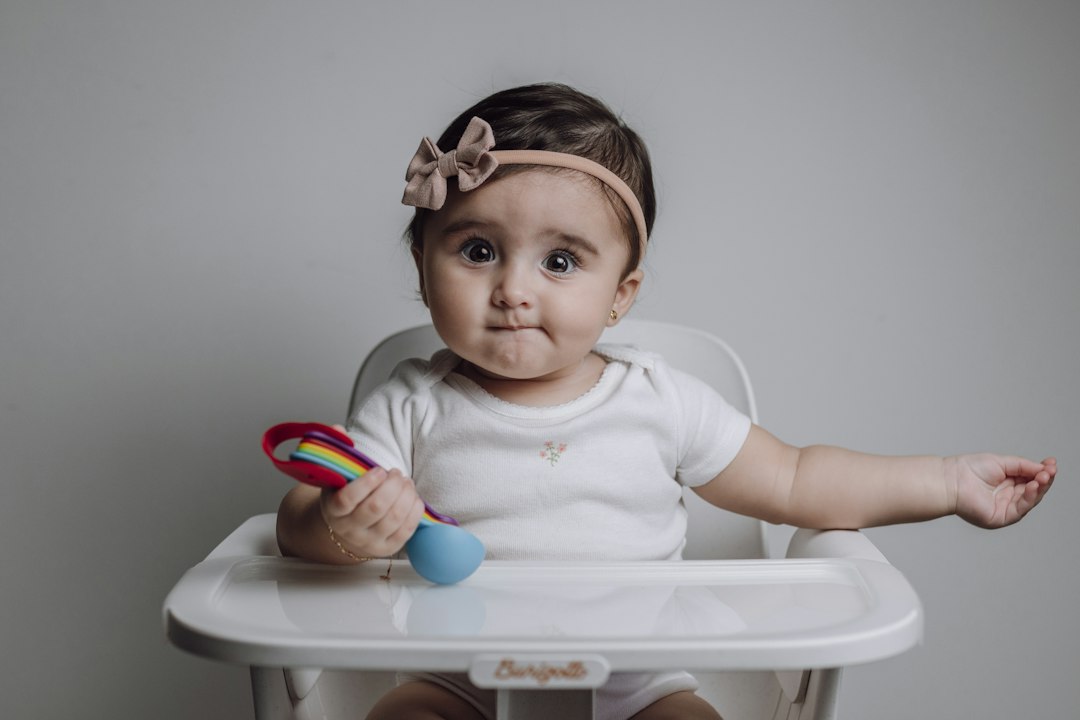
Teething Toys for Babies: Age, Relief and Safety Guide

Teething toys for babies are safe objects, made of silicone, natural rubber or wood, that your little one chews to relieve the pressure on their gums when their first teeth start to come through. Most babies need them between 4 and 10 months. They work best chilled in the fridge, with no loose parts, and in a shape they can grasp with one hand.
- Quick summary
- How to tell if your baby is teething
- What age to offer the first teether
- How to soothe your baby's teething without gels or necklaces
- What teething toys for babies are
- Silicone teethers: what to check before buying
- First teeth and teethers, a Montessori perspective
- The best teething toys for babies by age
- Frequently asked questions
Quick summary
- The first tooth usually appears around 6 months, although it is normal for teething to start from 4 months and continue past the first year.
- You can offer a teether as soon as your baby grasps objects and brings them to their mouth, around 3 or 4 months.
- A chilled teether from the fridge soothes, whereas a freezer makes the material too hard and can damage the gum.
- Avoid amber necklaces, benzocaine gels and liquid-filled teethers.

How to tell if your baby is teething
You will know mainly from three signs: they drool much more than usual, chew on everything they can reach, and have a swollen or red gum in one specific spot. If you rub a clean finger along the gum, you may sometimes feel a small hard bump just before the tooth breaks through. The first to appear are usually the two lower central incisors.
It is also common for them to sleep worse for a few days, be more irritable, or rub the ear on the same side. However, teething does not cause high fever or diarrhoea. If your baby’s temperature goes above 38 degrees or they seem listless, call your paediatrician, as there is probably another cause.
A very typical example: a 7-month-old who suddenly soaks three bibs a day, wakes twice as often at night and gnaws the edge of the high chair tray. A week later, a white line appears on the lower gum. That pattern, more than any single symptom, confirms that teething is under way.

What age to offer the first teether
You can give a teether from the moment your baby is able to hold an object and bring it to their mouth, which usually happens between 3 and 4 months. There is no need to wait for the first tooth. Teething toys for babies also serve a second purpose: at this age the mouth is their main tool for getting to know the world.
A teether at 3 or 4 months
At 3 months the hand is still clumsy, so a light, thin, ring-shaped model that they can wrap their fingers around works best. By 4 months they coordinate better and appreciate soft textures, such as ridges or grooves, which massage the gum. For example, a light silicone ring will suit them far better than a thick, showy piece they cannot hold.

How to soothe your baby’s teething without gels or necklaces
The safest way to soothe a baby’s teeth is gentle cold pressure: a chilled teether, a clean finger massaging the gum, or a damp cloth cooled in the fridge. With that, most babies settle within a few minutes. If the discomfort stops them from eating or sleeping for days, consult your paediatrician before giving any medication.
The American Academy of Pediatrics advises against amber and teething necklaces because of the risk of choking and strangulation. It also warns against benzocaine gels in children under two. There is no sense in taking those risks when cold and pressure work just as well.
Cold from the fridge, not the freezer
Teethers from the freezer may seem like the perfect solution, but a frozen object becomes too hard and can irritate or even injure the gum. Twenty or thirty minutes in the fridge is enough. Picture a family who has just moved to Sotogrande in the middle of August: with the heat of the Campo de Gibraltar, keeping two teethers in the fridge and alternating them every half hour means their 8-month-old daughter always has a cool one to chew.
A common mistake and how to fix it
The most common mistake is hanging the teether from a long cord tied to the neck or wrist so it does not get dropped. It is lost less often, but the cord can tangle and tighten. The simple fix is to use a short pacifier clip attached to clothing, and always take it off before sleep.
What teething toys for babies are
A teether is an object designed so that the baby can chew it safely, with a size that cannot fit whole in the mouth and a material that resists saliva and bites. It relieves discomfort because pressure from the outside counteracts the pressure the tooth exerts pushing from within. In addition, many babies calm down simply from having something they can control with their own hands.
Silicone teethers: what to check before buying
Silicone is the best-selling material, and brands such as Suavinex have popularised it for being soft, light and easy to wash. Before buying silicone teething toys for babies, check three things: that it is food-grade silicone, that it is made from a single piece, and that it contains no gel or water filling. A single piece does not break into small fragments.
Wash them daily with hot water and soap, and inspect them every time you use them. If you see a crack or a deep tooth mark, throw it away.
First teeth and teethers, a Montessori perspective
From the Montessori approach, the teether is not just a remedy: it is one of the first materials with which the baby explores. That is why it should be real, simple and pleasant to touch, far better than a toy full of lights or sounds. The Association Montessori Internationale stresses the value of natural materials and free movement in the first months.
In practice, this means leaving the teether within reach, on a blanket on the floor, and letting the baby pick it up themselves. There is no need to put it in their mouth. Observe which texture they prefer and offer only a few options at a time, two or three at most. The teething toys for babies that fit best in a prepared environment are wooden rings, rubber pieces and everyday safe objects, always with an attentive adult nearby. If you want to explore further, the montessori.es portal brings together useful resources for families.
The best teething toys for babies by age
The best teether is not the most expensive or the most famous, but the one that matches your child’s age and skill. This is the sequence I recommend to families in 2026:
- Thin silicone ring (3-5 months): light and easy to grasp, ideal as a first contact.
- Natural rubber, Sophie la Girafe style (4-8 months): soft, with plenty of areas to chew. Clean it with a damp cloth rather than submerging it, so water does not get inside.
- Untreated wood (from 6 months): beech or maple without varnish, firmer, good for the incisors.
- Elongated teether with ridges (12-24 months): reaches the back of the mouth when the molars begin to come through.
Safety checklist for baby teething toys
- A single piece, with no parts that can come off.
- Larger than their open mouth.
- No liquid fillings or paints that flake off.
- No long cords or necklaces.
- Checked before each use.
Frequently asked questions
How do I know if my baby is starting to teethe?
You will know your baby is starting to teethe if they drool more than normal, chew on everything within reach, have a swollen or red gum and are more irritable, especially at night. These signs usually appear between 4 and 10 months. If there is a high fever, consult your paediatrician.
When can a baby be given a teether?
You can give your baby a teether from 3 or 4 months, once they are able to grasp objects and bring them to their mouth, even if no tooth has come through yet, as long as it is light, made in one piece and the right size for their hand. At first, choose thin, soft rings.
How do you soothe a baby’s teething?
To soothe a baby’s teething, the most effective and safest approach is to combine pressure and gentle cold: offer a teether chilled in the fridge, massage their gum with a clean finger, or give them a cold damp cloth, avoiding amber necklaces and benzocaine gels. Before any medication, ask your paediatrician.
What are teethers?
Teethers are objects made of silicone, natural rubber, wood or fabric designed so that the baby can chew them safely, relieving gum discomfort during teething while also exploring textures with the mouth and hands. They should be made in one piece and be larger than the baby’s mouth.
Choose a simple teether, keep it cold in the fridge, and let your baby discover it on their own. If you are moving to the area and looking for a bilingual Montessori nido in Sotogrande that supports this stage calmly, book a personalised school visit.









