
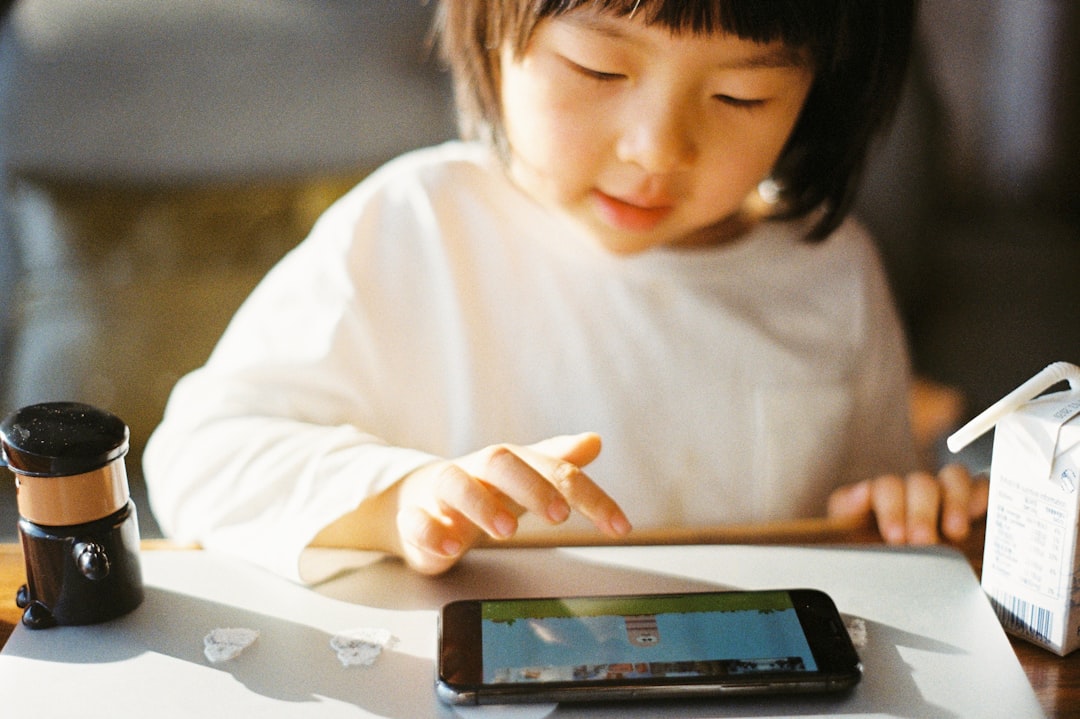
Screen Time for Kids: Evidence-Based Guide for Expat Families in Costa del Sol

The debate around screen time for kids is one of the biggest sources of doubt and guilt for modern parents, especially for families relocating internationally. There isn’t a single right answer, but we can be guided by evidence and common sense to make decisions that protect their development without demonizing technology completely.
- Key Takeaways
- Why Is Screen Time for Kids Such a Concern?
- Recommended Ages and Screen Time Limits for Children
- Risks of Excessive Screen Time for Kids
- How to Set Limits on Screen Time Without Conflict
- The Role of Modeling in Children’s Screen Time
- Phone Alternatives That Strengthen Child Development
- Frequently Asked Questions
- Key Conclusions
Key Takeaways
- The WHO recommends zero screens before age 2 and a maximum of one hour per day for children aged 2-5.
- The issue isn’t just quantity, but the quality of content and whether the child consumes it passively or interactively.
- Setting clear and consistent limits is more effective than total prohibitions that breed rebellion.
- The best antidote to screens is an environment rich in free play, movement, and real human connection.

Why Is Screen Time for Kids Such a Concern?
Sustained attention, emotional regulation, and language are built in the early years through direct interaction with people and real materials. Screens, especially with fast, passive content, interrupt this process. A study published in JAMA Pediatrics showed that more screen time at age 2 was associated with poorer results on developmental tests at age 3.
This isn’t about satanizing technology. It’s about understanding that a brain under construction needs three-dimensional stimuli, free movement, and face-to-face conversations. A phone offers a flat, predictable version of reality. Therefore, the problem isn’t the tool, but when and how it’s introduced.

Recommended Ages and Screen Time Limits for Children
Leading children’s health organizations offer quite clear guidelines on screen time for kids . The general recommendation is to introduce screens very gradually and always with supervision.
Before Age 2
Zero screen time, except for family video calls. A baby learns about the real world through all their senses. They don’t need the flat, fast stimulus their brain can’t yet process.
Ages 2 to 5
A maximum of one hour per day, with high-quality, slow-paced, educational content. Always with an adult present who can comment on what’s happening on screen. Interaction is what makes the difference.
Ages 6 and Up
Clear and consistent limits can be agreed upon. The American Academy of Pediatrics suggests creating a “family media plan” rather than imposing arbitrary rules. At IMS, in our Elementary (6-12 years) program, we encourage children to learn to manage their time and attention—a skill that applies to the digital world as well.

Risks of Excessive Screen Time for Kids
The effects are not theoretical. Various studies point to concrete consequences when screen time exceeds recommended limits.
- Sleep Problems: The blue light from screens interferes with melatonin production.
- Language Delay: Each extra hour of screen time at 18 months is associated with an increase in expressive delays.
- Reduced Attention Span: Fast-paced content trains the brain to need constant stimulation.
- Sedentary Behavior: Screen time displaces active play, which is fundamental for motor development.
Furthermore, there is the risk of exposure to advertising and inappropriate content. Therefore, supervision isn’t an act of control, but of care.
How to Set Limits on Screen Time Without Conflict
Banning phones outright often generates more curiosity and rebellion. The key is to create clear agreements, convey trust, and offer attractive alternatives.
Talk About the Why, Not Just the What
Explain to your child, in simple words, why you limit screens. “Your brain is growing and it needs to play, move, and talk with you” is more effective than a “because I said so.” Children cooperate more when they understand the reason.
Create Digital Routines
Set fixed times for the phone: for example, 20 minutes after a snack. This avoids constant negotiation and gives the child a predictable structure. At home, we can use a visual timer so the child can manage their own time.
Offer Irresistible Alternatives
If a child is bored, the phone is the easy way out. Have puzzles, art supplies, books, building toys, or trips to the park ready at hand. In a Montessori environment like the one at IMS, the prepared environment is designed to capture a child’s attention naturally and deeply.
The Role of Modeling in Children’s Screen Time
Children learn more from what they see than from what they’re told. If we spend hours on our phones while asking them to put theirs down, the message is contradictory. We need to be consistent. This means reviewing our own habits: do we text while eating? Do we check our phone first thing in the morning?
Proposing “screen-free zones” in the house (the dinner table, bedrooms) and “screen-free times” (the first hour of the morning, bedtime) creates a new family framework. It’s not about perfection, but about intention and progress.
Phone Alternatives That Strengthen Child Development
At IMS, we believe the most powerful antidote to excessive screen time for kids isn’t prohibition, but offering more engaging and meaningful experiences. A child immersed in a building project, painting, exploring nature, or conversing with friends doesn’t miss the screen.
Among the most valuable alternatives are:
- Free, imaginative play without adult scripting.
- Outdoor movement: running, climbing, jumping.
- Shared reading and oral storytelling.
- Hands-on activities: cooking, sewing, building.
- Real conversation, with open-ended questions and active listening.
These activities not only entertain but build the cognitive and emotional foundations that technology alone cannot develop.
Frequently Asked Questions
At what age can I give my child a phone?
There’s no magic age, but the widespread recommendation from the WHO and the AAP is to avoid personal screens before age 6. If you introduce a device earlier, make it shared, with high-quality content, and always with your supervision. The decision depends on family context, but the longer it’s delayed, the better for their development.
How much daily phone time is acceptable for a child?
For children aged 2 to 5, a maximum of one hour. For those 6 and older, the ideal is to agree on limits as a family, ensuring screen time doesn’t displace sleep, active play, or social interaction. Many families use the “homework, play, then screens” rule.
Is it bad for my child to use a phone to learn?
Not necessarily. The key is in the type of content and supervision. Well-designed educational apps, short documentaries, or creative video games can add value if used in moderation and alongside an adult who comments on and enriches the experience. But the phone should not be the only learning channel.
What do I do if my child has a tantrum when I take the phone away?
A tantrum is a sign the child needs help managing that transition. Validate their frustration (“I understand you want to keep playing”), offer a concrete alternative, and maintain the limit calmly. If you give the phone to calm them, they learn the tantrum is an effective tool. Consistency today prevents battles tomorrow.
Key Conclusions
Screen time for kids doesn’t have to be a battleground. With clear information, consistent limits, and attractive alternatives, we can guide our children to grow up with a healthy relationship with technology. The goal isn’t to raise children without screens, but children capable of choosing when to use them and when to disconnect.
If you’d like to explore how we create environments that naturally capture children’s attention, book a personalized school visit. At IMS, we accompany families in the Campo de Gibraltar and Costa del Sol in parenting and education decisions grounded in respect for the child.









