
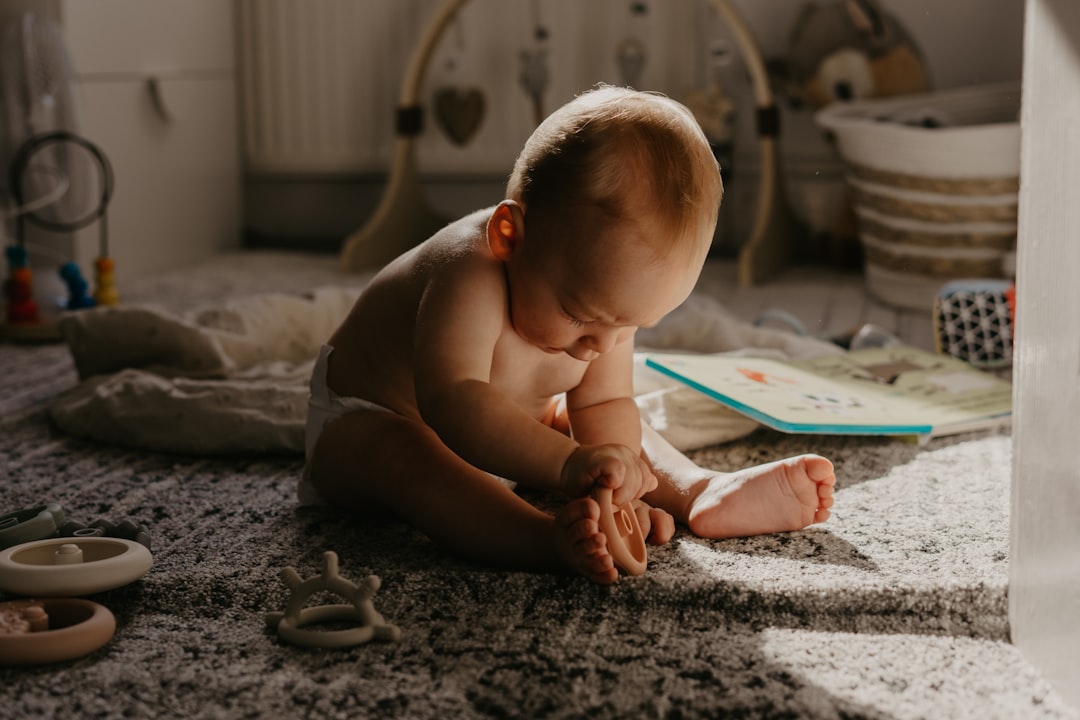
Montessori Weaning: A Step-by-Step Guide to Giving Up the Pacifier | IMS Sotogrande
In short
Pacifier weaning Montessori. Learn how to help your child wean off the pacifier the Montessori way. Respectful Montessori strategies to help your child give up the pacifier without force, tears, or pressure. A practical guide with real examples.

Author: Viviane Dumont, Director of Studies at IMS Sotogrande. In this article we explore pacifier weaning Montessori in depth with practical examples.
Weaning off the pacifier is one of those milestones many parents approach with anxiety. Do we take it away cold turkey? Do we wait for them to drop it on their own? In our experience with families in the Campo de Gibraltar and Costa del Sol areas, the key isn’t an “all or nothing” method, but rather supporting your child with respect and clarity. Here, we share the Montessori perspective, tested in Nido (0-3) and Children’s House (3-6) classrooms, to make the process as smooth as possible. When it comes to pacifier weaning Montessori, it pays to listen to what families and lead guides actually report.
- Key Montessori strategies for giving up the pacifier
- Why Montessori parenting respects your child’s timeline
- How to prepare for your child to give up the pacifier
- Common mistakes when weaning off the pacifier
- When to seek professional help
- What to do if your child is already 3 or 4 years old
- Frequently asked questions
- Key takeaways
Key Montessori strategies for giving up the pacifier
- Observe before you act: identify when your child uses it for comfort and when they seek it out of anxiety.
- There’s no “correct” age: most children are ready between 2 and 3 years old, but every child’s pace is different.
- Prepare the environment: reduce access gradually before removing it completely.
- Offer sensory alternatives: a piece of soft fabric, a wooden teether, or hands-on play.
- Talk honestly: explain what will happen with short, clear phrases, without false promises.

Why Montessori parenting respects your child’s timeline
In Montessori, we don’t believe in “ripping away” habits. We believe in understanding the need behind them. The pacifier isn’t a vice. It’s a self-regulation tool the child uses when their nervous system needs to calm down. Taking it away abruptly can create more anxiety, not less. Daily practice with pacifier weaning Montessori reveals nuances no handbook fully captures.
Maria Montessori observed that young children have sensitive periods for certain learning. Attachment to transitional objects (like a pacifier) is one of them. When a child develops other ways to self-regulate, the pacifier loses its relevance naturally. Understanding pacifier weaning Montessori from inside the classroom reshapes everyday decisions.
In our Nido classrooms, we see this every day. An 18-month-old who sucks the pacifier during free play has, by 30 months, often left it in the basket because they’ve found other sources of comfort: hands in sensorial activities, movement, the calm presence of a guide. Concrete data on pacifier weaning Montessori is worth reviewing before acting on assumptions.
Key fact: The Association Montessori Internationale (AMI) emphasizes that respecting a child’s sensitive periods is fundamental for their autonomous development. Not forcing premature transitions is part of that respect.

How to prepare for your child to give up the pacifier
Preparation is more important than the exact timing. Here are the steps that work for real families:
1. Observe and take notes for a week
For seven days, note when your child seeks the pacifier. Is it at sleep time? In the car? When they get frustrated? At the shop? You’ll see clear patterns that tell you where to focus your effort.
2. Reduce access gradually
If the pacifier is available all day, start by limiting it to home. Then, only for naps and nighttime. Then, only at night. This “staircase” approach respects the need without creating a sudden break.
3. Prepare the environment (a Montessori principle)
In Montessori we say: “prepare the environment and the child prepares themselves.” This means:
- Place pacifiers in one visible spot (a basket or a drawer).
- Put alternatives within reach: a silk handkerchief, a natural wooden teether, a small textured soft toy.
- Organize transition routines (sleep, meals) with calm and predictability.
4. Use honest, brief language
Two-year-olds understand more than they can say. You can say: “The pacifier is for sleeping. Now we’re going to play without it.” You don’t need long explanations or promises of gifts. Clarity and calm repetition are your best tools.
5. Offer real sensory alternatives
The pacifier satisfies an oral and tactile need. If you take that away without offering something, the child will feel lost. Try this:
- A beechwood teether (unpainted) for the oral need.
- A piece of muslin cloth to rub between fingers.
- Hands-on activities: kneading playdough, pouring water, unscrewing lids.
At IMS, we provide sensorial materials in the Nido precisely because we know busy hands organically reduce the search for a pacifier.
If you’d like to see how we do it in our classrooms, book a personalised school visit and discover the prepared environment.

Common mistakes when weaning off the pacifier
I’ve seen many families in Sotogrande, La Línea, and Algeciras make the same well-intentioned mistakes. I list them here so you can avoid them:
1. Taking it away “cold turkey” without warning. Some parents throw out all the pacifiers on a Monday. The child doesn’t understand what happened and anxiety spikes. The result: more crying, not less.
2. Using bitter substances on the pacifier. The lemon or mustard method creates distrust, not autonomy. The child doesn’t “learn” to give it up. They simply fear it.
3. Giving excessive rewards. A small verbal acknowledgment is fine, but material rewards create a cycle of external motivation. In Montessori, we want the child to give up the pacifier because they no longer need it, not for a toy.
4. Comparing with other children. “Your cousin already gave theirs up” doesn’t help. Each child has their own developmental timeline. Comparison breeds shame, not motivation.
5. Going back on your decision without explanation. If you decide to remove it and then give it back because they’re crying, the message they receive is: “crying works.” Consistency is key, always from a place of empathy.
When to seek professional help
If your child is over 4 years old and still depends intensely on the pacifier, or if you notice the pacifier is interfering with speech or eating, consult a speech therapist or paediatrician. It’s not a sign of failure. It’s a sign there’s a deeper need to address.
In the Sotogrande and Campo de Gibraltar area, there are excellent professionals. The important thing is not to wait “to see if they grow out of it” when there’s a clear impact on their development.
What to do if your child is already 3 or 4 years old
Giving up the pacifier at age 3 or older is entirely possible, but it requires a slightly different approach. At this age, the child already understands simple conversations and can participate in the decision.
You can make a “plan” together:
- Choose a symbolic day (the first day of spring, their birthday).
- Create a “pacifier box” where you keep it together.
- Decide who you’ll “give” it to (many children respond well to the idea of giving it to a baby who needs it).
- Celebrate the moment without excess: a hug, a word of acknowledgment.
This respects their autonomy and gives them agency in the process. It’s not “I’m taking it away from you”. It’s “you decide.”
At IMS, we see this transition happen naturally in the Children’s House (3-6 years). Children who arrive with a pacifier usually leave it in the first few weeks, immersed in an environment full of activities that engage their hands and attention. It’s not magic. It’s intentional environment design.
Frequently asked questions
What is the best age to give up the pacifier?
There’s no universal age, but most children are ready between 2 and 3 years old. By then, they’ve developed other self-regulation methods, and the pacifier starts to lose its function. If your child is over 3 and still relies on it heavily, it’s a good time to start the process calmly and respectfully.
Is it bad that my 2-year-old still uses a pacifier?
No, it’s not “bad.” The pacifier serves an emotional and sensory regulation function. The key is observing when they use it: if it’s only for sleep or moments of stress, it’s normal. If they use it all day and it prevents them from communicating or exploring, it’s a sign we can start reducing access gradually.
Can I take the pacifier away cold turkey?
You can, but from a Montessori perspective, we don’t recommend it. Abrupt removal generates anxiety and can create more attachment, not less. A gradual process respects the child’s pace and gives them the tools to let go of the pacifier without feeling they’re losing something they need.
Does a pacifier affect speech development?
If the child has it in their mouth for long periods during the day, it can interfere with word articulation. The recommendation is to limit its use to naps and nighttime from around 18 months, precisely so the mouth is free during hours of interaction and verbal exploration.
Key takeaways
Weaning off the pacifier doesn’t have to be a family drama. With observation, environment preparation, and respect for your child’s pace, the process can be smooth and even beautiful. Montessori parenting teaches us we don’t need to force. We need to support with confidence.
If you’d like to see how IMS’s prepared environments facilitate these transitions naturally, book a personalised visit. We are in Sotogrande, minutes from La Línea, Algeciras, and the entire Campo de Gibraltar area. We look forward to meeting you.









