
Montessori independence at home: boosting self-reliance

Fostering Montessori independence at home is one of the most rewarding parenting challenges. When you create an environment where your child can do things for themselves, you build their confidence and self-reliance. Montessori independence at home starts with small changes: low shelves, child-sized utensils, and accessible clothing. These adjustments invite your child to participate actively in daily life. The goal is not perfection but the process of trying, failing, and trying again.
How to create a prepared environment for Montessori independence at home
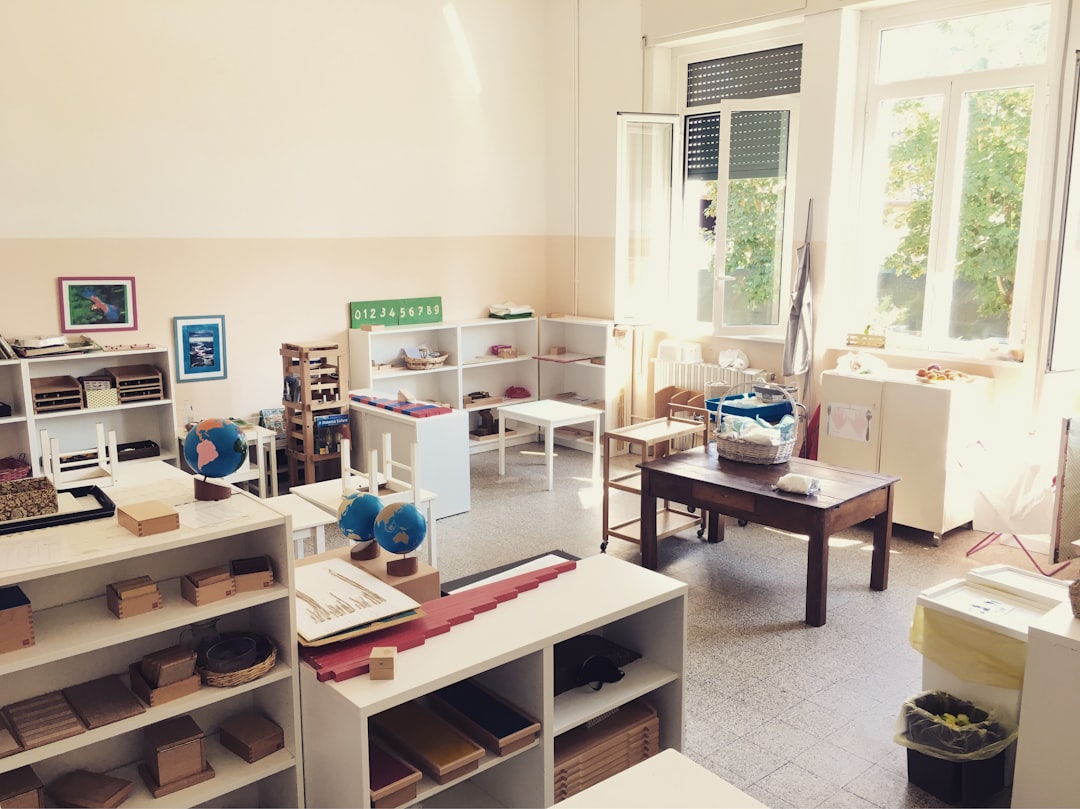
A prepared environment is the cornerstone of Montessori independence at home. Every item should be within your child’s reach and sized for their hands. Arrange toys and activities on low shelves, rotating them regularly to maintain interest. Place a step stool in the kitchen so they can help wash dishes or prepare snacks. In the bathroom, keep a small towel and soap at their height. This setup sends a clear message: “You are capable.” It reduces frustration and encourages initiative. For example, a 2-year-old can pour their own water from a small pitcher if the pitcher is light and the cup is unbreakable. Montessori independence at home is built through these everyday opportunities.
Practical life activities for independence
Practical life activities form the backbone of Montessori independence at home. Dressing, food preparation, cleaning, and caring for plants are all meaningful tasks. Start with simple tasks: putting on shoes, spreading butter on toast, watering a plant. As your child masters these, introduce more complex ones like tying shoelaces or slicing soft fruit. Each success reinforces their sense of capability. Remember, the goal is the process, not the result. Let them struggle a little — that’s how they learn. Avoid stepping in too quickly. Instead, observe and offer help only when needed. This approach builds resilience and problem-solving skills.

Encouraging self-care tasks
Self-care is another key area for Montessori independence at home. Teach your child to brush their teeth, comb their hair, and wash their hands independently. Use visual routines: a chart with pictures showing the steps. Keep toiletries at their level. A small mirror at eye height allows them to check their appearance. Praising effort rather than outcome reinforces their motivation. Over time, these habits become automatic. By age 3 or 4, children can often dress themselves with minimal assistance. This autonomy extends beyond the home — it prepares them for school and social interactions. Montessori independence at home lays a foundation for lifelong self-sufficiency.

Allowing freedom of choice
Freedom of choice is essential for fostering Montessori independence at home. Offer limited, age-appropriate choices: which shirt to wear, which book to read, which fruit to eat for snack. This empowers your child and teaches decision-making. Avoid overwhelming them with too many options — two or three is ideal. Respect their choices, even if they don’t match your preferences. For instance, if they choose mismatched socks, let them wear them. The lesson in autonomy outweighs the momentary lack of coordination. As children grow, expand the scope of choices: let them plan a meal or decide the order of their morning routine. This gradual increase builds confidence and ownership. Montessori independence at home thrives on this balance of structure and freedom.
The role of observation
Observation is a crucial skill for parents practicing Montessori independence at home. Instead of directing, watch your child to understand their needs, interests, and challenges. Notice when they are struggling and when they need space. This insight allows you to adjust the environment or offer timely support. I recall a parent who noticed her toddler struggling with a zipper. Instead of doing it for him, she offered a simpler jacket with Velcro, and his independence soared. Observation helps you become a responsive guide rather than a controlling instructor. It also deepens your connection with your child.
Practical tips for everyday independence
Here are actionable tips to embed Montessori independence at home into your daily routine:
- Establish consistent routines — children feel secure when they know what comes next.
- Use child-sized furniture and tools.
- Invite your child to help with household chores like setting the table or sorting laundry.
- Slow down — give them extra time to complete tasks.
- Allow natural consequences — if they forget their jacket, they feel cold, not your anger.
- Model the behavior you want to see: your calm, focused actions teach more than words.
These strategies transform your home into a learning environment where independence flourishes. Montessori independence at home is not a quick fix but a long-term investment in your child’s character.
Frequently asked questions
At what age can I start fostering Montessori independence at home?
You can start from birth. Even infants benefit from a prepared environment: a floor bed, low mirror, and simple mobiles. As they become mobile, they can choose between two toys. By 12 months, they can help with simple self-care tasks like wiping their face. The key is to respect their pace and abilities.
How do I handle resistance when my child refuses to do things themselves?
Resistance often signals that the task is too hard or the child is tired or hungry. Simplify the task or break it into smaller steps. Offer choices to give back control. Sometimes, a gentle invitation to do it together works: “Let’s brush our teeth together.” Avoid power struggles. Trust that independence will develop over time.
Do I need to buy special Montessori materials?
No, but you need to adapt your environment. Use everyday items: small cups, child-sized pitchers, soft baskets for toys. The Montessori approach emphasizes real tools over plastic toys. A wooden knife for cutting soft fruits, a small broom, and a water pitcher are sufficient. Focus on accessibility and safety rather than brand names.
Key takeaways
Montessori independence at home is a journey of trust and patience. By preparing an environment that invites action, offering meaningful choices, and observing without interfering, you empower your child to become self-reliant. The skills they gain — confidence, problem-solving, perseverance — will serve them throughout life.
At IMS Sotogrande, we are dedicated to cultivating independence from the earliest years. Our programs from 0-12 integrate Montessori principles with bilingual immersion. For a personalized consultation on how to apply these principles at home or to learn about our school, call +34 653 04 17 39 or email [email protected]. We are here to support your family’s journey.









