
Montessori Outdoor Work in Summer: Ideas for the Prepared Environment Outside the Classroom

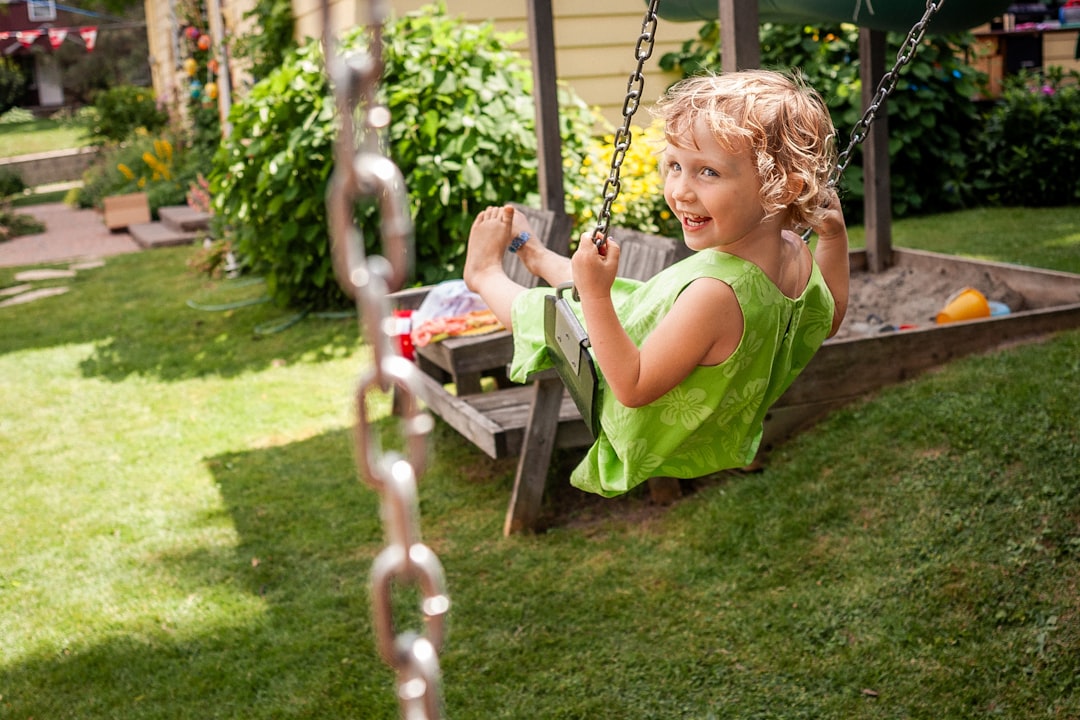
One of the beauties of the Montessori vision is the fluidity between indoor and outdoor space. Montessori outdoor work allows children to connect with nature while developing their autonomy. Children were not born to sit at a desk all day, but to move freely between both environments according to their inner call. Both indoors and outdoors offer unique learning opportunities for all ages. However, when we think about preparing the environment, we often focus only on the classroom or the home. What about the garden, the patio, or the balcony? This summer, dare to extend the prepared environment outdoors. Here I share some practical ideas for families and schools in Spain, where the climate invites long hours outdoors.
Preparing the Space for Montessori Outdoor Work
As indoors, the outdoors should be orderly, beautiful, and accessible. Place low shelves with baskets of materials, a small table to work on, and a mat or cushion to sit on the ground. Protect materials from sun and rain with an awning or waterproof box. In Cádiz, for example, the sun is strong, so look for a natural or artificial shaded area. Choose outdoor furniture made of wood or wicker that withstands the elements. Place a low shelf with labeled baskets for practical life, sensory, language, and math materials. Add a small table and chair at the child’s height. For the floor, a thick fabric mat or waterproof cushion. Protect delicate materials in a plastic box with a lid. Remember that outer order helps the child’s inner order.
Recommended Materials for Outdoors
Use wicker or sturdy plastic baskets, varnished wooden trays, glass or stainless steel pitchers, natural sponges, wooden tongs, funnels, small watering cans, and measuring spoons. Avoid materials that rust or get damaged by the sun, such as clear plastic. If space allows, install an awning or pergola with climbing plants that provide natural shade.

Practical Life Activities Outdoors
Summer is ideal for water activities: watering plants, washing leaves, transferring water with pitchers or sponges. Prepare a tray with a small pitcher, a bowl, and a sponge; the child can clean leaves of a real or toy plant. You can also set up a clothes washing station with two tubs and a washboard. Children ages 2 to 6 concentrate deeply on these tasks. Another idea: hang clothes on a line with small clothespins. Additionally, you can set up an outdoor kitchen corner with real vegetables to wash and cut (with a butter knife if they are small). Repetition of these movements develops eye-hand coordination and independence. For example, at IMS Montessori Sotogrande, children spend long hours in the garden preparing the soil and watering plants.
Specific Practical Life Activities
- Watering plants with a small watering can.
- Washing plant leaves with a sponge.
- Transferring water with pitchers and funnels.
- Sweeping the patio with a small broom.
- Washing and cutting vegetables for summer salad.
- Brushing shoes or backpacks.
- Washing stones or shells and sorting them by size.

Sensory Play and Language in the Garden
Take sensory materials outdoors: a basket with shells, sand, stones, and pine cones for sorting; a smelling game with aromatic herbs (rosemary, thyme, mint) to associate scents. For language, place nature vocabulary cards (leaf, flower, insect, cloud) and encourage the child to find the real object. Older children can write observations in a field notebook. You can also make a tactile memory game with pieces of different textures (sandpaper, fabric, wood). For language, use three-part cards of nature: tree, leaf, insect. The child can match cards to real objects. For older ones, create a map of the garden and ask them to label plants. They can even write short stories inspired by what they observe.
Suggested Sensory Activities
Prepare a tray with fine sand and natural objects to hide and find. Or create a texture game: place pieces of bark, moss, feathers in a basket, and ask the child to touch and describe them. You can also make an olfactory memory game with opaque jars containing aromatic herbs. However, the key is to offer variety without overwhelming.
Math and Geometry in Nature
Gather natural elements (sticks, leaves, stones) to count, add, or subtract. Draw a circle, square, or triangle in the sand with a stick and ask the child to place objects inside. For children ages 6 to 9, measure the height of a tree using shadows or calculate the perimeter of a rectangle drawn on the ground. It’s all concrete manipulation, just as Montessori intended. For example, to measure a tree, place a stick vertically, measure its shadow and the tree’s shadow, and use the proportion: (height of stick / shadow of stick) = (height of tree / shadow of tree). Children are amazed to see math come to life.
Practical Example: Measuring a Tree with Shadows
- Stick a 1-meter pole into the ground.
- Measure the length of its shadow (e.g., 0.5 meters).
- Measure the length of the tree’s shadow (e.g., 6 meters).
- Apply the rule of three: tree height = (1 meter x 6 meters) / 0.5 meters = 12 meters.
At IMS Sotogrande, our Taller 1 (ages 6-9) and Taller 2 (ages 9-12) classrooms often take mathematics outdoors, using natural materials to practice concrete operations. Our low student-teacher ratios (typically 1:10 in elementary) allow guides to personalize learning, ensuring each child masters concepts through hands-on exploration. The school, located in Sotogrande above Mercadona, is fully AMI-accredited and integrates outdoor work into the daily rhythm.
Art and Music Outdoors
Set up a table with watercolors or colored chalks. Children can paint stones, make mandalas with flowers, or draw what they see. Music also has a place: place simple instruments (rattles, xylophone) or even a box with cans and spoons to explore sounds. Remember the goal is not the final product but the process of discovery. At school, we often set up an outdoor vertical chalkboard where children draw with chalk. You can also do land art: create ephemeral figures with flowers, leaves, and stones, which then fade with the wind.
Land Art: Ephemeral Art in Nature
Invite the child to collect items from the garden and arrange them in geometric shapes or spirals. Photograph the artwork and then leave it for nature to transform. This activity fosters creativity and ecological awareness. Moreover, it is perfect for children of all ages; even the youngest can sort objects by color or shape.
At IMS Sotogrande, children from our Casa de Niños (3-6 years) and Elementary programs enjoy daily outdoor art and music sessions. Our prepared environment includes shaded terraces and a garden where they can paint, play instruments, and create land art. The bilingual immersion (Spanish/English) and French from Casa de Niños enrich the experience, as children describe their creations in multiple languages.
Benefits of Montessori Outdoor Work
Moving the prepared environment outdoors enhances the child’s holistic development. On one hand, contact with nature reduces stress and improves mood. On the other hand, free movement strengthens muscles and coordination. Likewise, the variety of natural sensory stimuli enriches concentration and curiosity. At IMS Montessori Sotogrande, we observe that children who work outdoors show greater autonomy and self-regulation ability.
Connection with the Natural Cycle
By working outside, children experience first-hand changes in light, temperature, and season. They learn to respect nature’s rhythms and care for their environment. For example, in summer, they can plant seeds and observe their growth day by day.
Development of Concentration
Outdoor work, when well-prepared, fosters deep attention. Environmental sounds (birds, wind) fade into the background if the activity is meaningful. Moreover, freedom of movement allows the child to interrupt and resume their task at their own pace.
Frequently Asked Questions
How do I prevent materials from being damaged by sun or humidity?
Choose durable materials like varnished wood, stainless steel, or silicone. Store the most delicate ones in lidded baskets or a waterproof chest. If you live in a humid area like Galicia, use an awning or a breathable tarp at night. You can also rotate materials: take out only what you will use and store the rest indoors.
Up to what age does Montessori outdoor work work?
From 12 months to adolescence. Babies explore with senses; children ages 3 to 6 focus on practical life and sensory; ages 6 to 12 do experiments and outdoor projects; teenagers can manage a garden or design a complete outdoor space. Even adults can benefit from the calm of the outdoors.
What if I don’t have a garden? Can I do it on a small balcony?
Of course. A balcony can hold a sensory tray, a pot to water, and a basket of materials. Even on a 2m² terrace you can place a folding table and a chair. The important thing is intention and organization, not size. For example, on a balcony you can have a small vertical garden and a pouring tray.
What if there are too many insects or extreme heat?
Choose the coolest hours (early morning or late afternoon). Use natural repellent (citronella) and dress the child in light clothing and a hat. If there are mosquitoes, install a mosquito net around the play area. On very hot days, prioritize water activities and deep shade. However, always have fresh water on hand and avoid the middle of the day.
Key Takeaways
Summer is a golden opportunity to integrate the outdoors into the Montessori routine. Children benefit from contact with nature, free movement, and the ability to concentrate on meaningful activities. The key is to prepare the environment carefully, offering attractive materials and respecting each child’s pace. Remember that Montessori outdoor work does not require a large space, but creativity and observation.
So this year, do not limit Montessori work to indoors. Open the door, place a mat under the tree, and watch the child immerse themselves in the real world, in all its splendor and beauty. Nature is the best teacher, and summer, its perfect classroom. If you want to see how we apply these principles at IMS Montessori Sotogrande, we invite you to a guided tour this summer.
Schedule Your Visit to IMS Sotogrande
We would love to welcome you to our school! Book a guided tour by calling +34 653 04 17 39 or emailing [email protected]. Learn more about our programs at /en/admissions/ (also available in Spanish and German). Visit www.ims-sotogrande.com to discover our Education for Life philosophy.









