
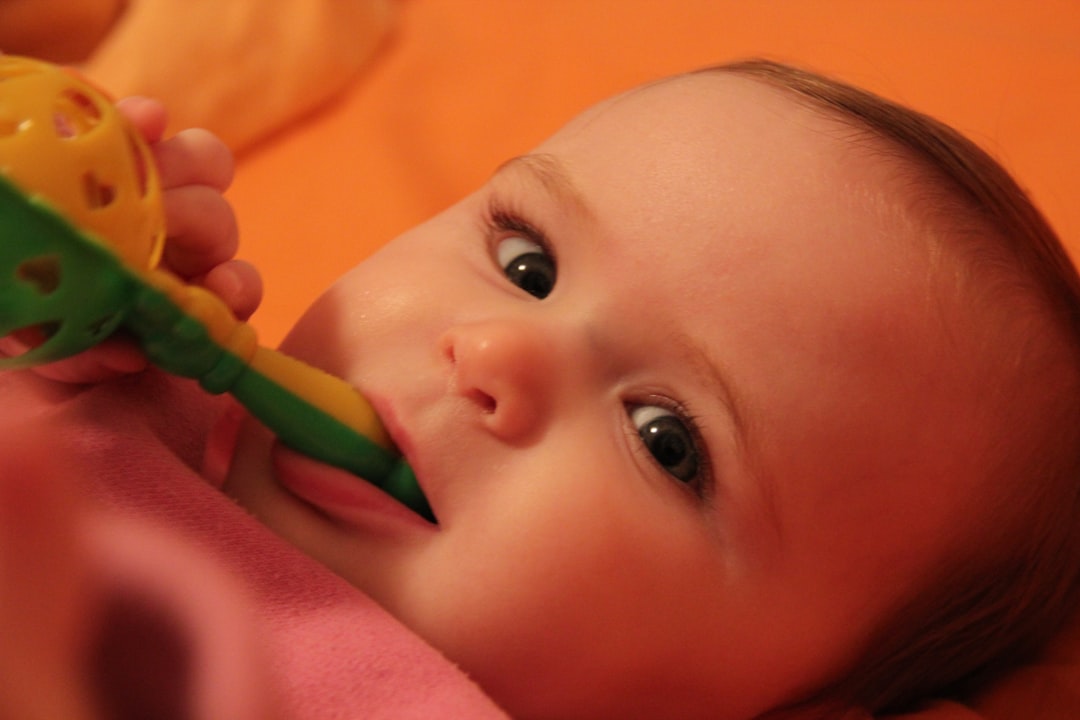
When Do Babies Start Teething? A Montessori Guide for Sotogrande Families

When do babies start teething? Most babies get their first teeth at around six months, although they can come through between 4 and 12 months. Baby teething is the natural process through which primary teeth emerge. The lower central incisors are usually first. Every baby follows their own timetable, so a different age does not, by itself, indicate a problem.
Key points
- Typical timing: the first tooth usually appears at around 6 months, but there is a wide range of normal.
- Common signs: drooling, sensitive gums, wanting to bite, irritability and disrupted sleep.
- Safe relief: gentle cold, pressure and calm contact can often help.
- When to seek advice: high fever, vomiting or marked lethargy should not automatically be blamed on teething.

When Do Babies Start Teething? Typical Ages and Order
A baby’s first teeth usually come through between 4 and 12 months, with an average of around 6 months. The most common sequence starts with the lower incisors, continues with the upper incisors and is followed by the lateral incisors, first molars, canines and second molars. When it comes to when do babies start teething, it pays to listen to what families and lead guides actually report.
This timeline is only a guide. Genetics and each baby’s individual pace also influence when teeth emerge. One baby may get their first tooth at 5 months and another at 10 months. Most children have all 20 primary teeth by around age 3.
What If a Baby Starts Teething Before 4 Months?
If teeth appear before 4 months, there is no need to panic immediately. Early teething may simply be part of the normal range of variation. However, it is worth discussing with your pediatrician if you notice intense pain, pronounced swelling or any other symptom that concerns you.

Baby Teething Signs and Normal Changes
The most common signs are sensitive gums, drooling, a need to bite, irritability and irregular sleep. Teething can also reduce a baby’s appetite for a few days. However, it should not explain intense or persistent symptoms.
How to Recognize Teething
Teething is often noticeable because your baby puts objects in their mouth, chews persistently or seeks more contact. The gums may look slightly swollen and sensitive. It is also normal for clothing to become wet because of increased drooling.
When a baby’s first teeth arrive, some children sleep less well or refuse harder foods. Offer soft textures and water according to their age. Also, look at the overall pattern of signs instead of trying to find an explanation for every isolated change.
If your baby is about to start a new routine at Nido, or your family is moving to the Campo de Gibraltar, Book a personalised visit to the school to see the environment and get answers to your questions.

When Do Babies Start Teething? Safe Relief at Home
The safest relief combines gentle cold, controlled pressure and an adult’s presence. These measures reduce discomfort without disrupting your baby’s natural rhythm or turning every sign into an emergency.
If you are searching for when do babies start teething?, learn to distinguish expected discomfort from signs that need medical attention.
Simple Measures That Help
Offer a chilled teether, never a frozen one, because extreme cold can damage the gums. You can also wipe the gums with a clean, cold cloth or gently massage them with a washed finger. Therefore, avoid putting small, broken or difficult-to-hold objects within reach.
During meals, prioritise foods that are appropriate for your baby’s development and stay close while they eat. Also, clean the first tooth with a small toothbrush and use fluoride toothpaste as advised by your pediatrician or pediatric dentist.
What to Avoid During Teething
Avoid amber necklaces, bracelets and any object tied around the neck or to clothing. They can cause choking or strangulation. Do not use numbing gels or home remedies without professional advice. Do not give paracetamol or ibuprofen without first confirming the correct dose for your baby’s weight and age.
The American Academy of Pediatrics offers general guidance on children’s health. During teething, clear medical advice is more valuable than a viral tip.
The Montessori Routine When Teething Begins
The Montessori approach encourages observing before intervening and preparing a simple, safe and predictable environment. The principles of the Association Montessori Internationale (AMI) help us respect the child’s pace without confusing freedom with an absence of boundaries.
Supporting Your Baby Without Forcing
Speak calmly and describe what is happening: “I can see that your gums are bothering you. I’m going to offer you something cold to chew on.” This gives your baby language and reassurance. For example, you can place the teether somewhere accessible and wait for your baby to choose it, always with supervision.
When Your Baby Starts at Nido
At 18 months, a child may need more rest, contact and flexibility while teeth are coming through. Share the signs you notice at home and the measures that work with the team. Meanwhile, keep schedules predictable, clothes dry and goodbyes brief. Coordination prevents contradictory messages.
When to Consult a Pediatrician or Pediatric Dentist
Consult a professional if your baby has a fever of 38 °C or higher, severe diarrhea, vomiting, difficulty breathing, facial swelling or marked lethargy. Also seek advice if your baby refuses fluids or wets fewer diapers than usual. These signs may have another cause.
Signs Not to Blame on Teething
High fever is not part of the usual response of the gums. However, a slight rise in temperature can coincide with this stage without causing every symptom. Schedule the first dental check-up when the first tooth appears and, at the latest, around the first birthday. The American Academy of Pediatrics also recommends seeking medical advice when concerns persist.
Frequently Asked Questions
When Do Babies Get Their First Teeth?
A baby’s first teeth usually appear at around six months, although normal teething can begin between four and twelve months. The lower central incisors are usually first, followed by the upper incisors and the rest of the primary teeth.
A difference of several months usually falls within the normal range. Ask for advice if you have concerns about your baby’s overall development.
What Can I Give My Baby for Teething?
To soothe discomfort, offer a chilled but unfrozen teether, a clean cold cloth or a gentle gum massage. Keep your baby hydrated and ask your pediatrician before giving any medicine, because the dose depends on the baby’s weight and age.
Always supervise objects your baby puts in their mouth. Remove any damaged teether or one with loose parts.
Is Fever Normal When Babies Are Teething?
A fever of 38 °C or higher, severe diarrhea, vomiting, marked lethargy or difficulty breathing should not be blamed on teething, so a baby with any of these signs needs medical assessment.
A sensitive gum can coincide with an infection or another illness. Watch how the symptoms develop and seek help if your baby’s overall condition worsens.
Key Takeaways
A baby’s first teeth usually appear at around 6 months, but every baby follows their own timetable. Gentle cold, supervision and a calm routine can help you get through this stage.
Observe your baby’s overall condition, not just their gums. If high fever, dehydration or lethargy appears, consult your pediatrician and do not delay the dental check-up.









