
What does freedom within limits mean in a Montessori classroom?
In short
At IMS Sotogrande, Does freedom within limits is one of the key topics we explore in Montessori education. Freedom, broadly speaking, is the ability of consciousness to think and act according to its own will. Discipline comes through freedom, as these two are sides of the same coin.
At IMS Sotogrande, Does freedom within limits is one of the key topics we explore in Montessori education. Freedom, broadly speaking, is the ability of consciousness to think and act according to its own will. Discipline comes through freedom, as these two are sides of the same coin. If we give the child the freedom to choose following his internal order, he will achieve self-discipline.
What is Does freedom within limits?
In a Montessori environment, a child has the freedom to:
- Follow your interests.
- Move around the environment.
- Communicate with others.
- Observe the work of others.
- Show your work to others.
- Help each other.
- Eat and drink when necessary.
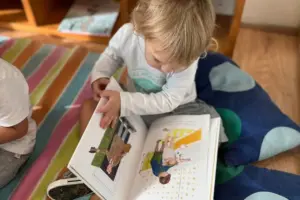
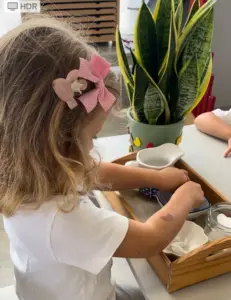
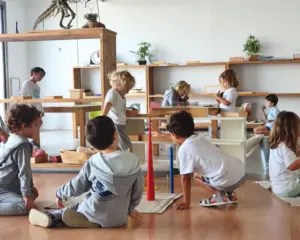
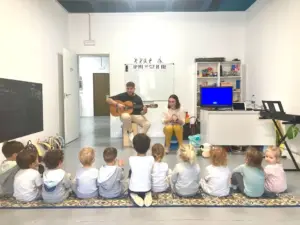
A Montessori classroom is carefully designed to encourage children to move freely around the environment and choose their own work, always within appropriate limits. These limits are the basic classroom rules that allow the child to exercise their own will, ensuring that their decisions are respectful of both others and themselves.
These norms or limits are the rules of the environment and provide balance to the discipline, They must fulfill a double purpose: to help the individual and the group.
The general characteristics of the limits in a Montessori classroom are:
- They should be necessary to promote personal development and group harmony.
- They must have an educational purpose, responding to the needs of the child, promoting their independence and not the interest of the adult.
- They must be clear and direct, avoiding giving several instructions at the same time.
- They must provide security to the child.
- They must be consistent, giving the child a feeling of security and support. This is key to achieving discipline. The limit always applies, it does not change at the will of the adult because it is part of the environment.
- They must be consistent with the consequences, The child must be responsible for his actions.
- They should be presented in a positive way, avoiding the use of “NO”, proposing, for example, “you can walk” instead of “don’t run”.
- They are temporary, as they change depending on the child’s stage of development.
- We should not change the personality of children, Therefore, limits must be expressed firmly but calmly, so that the child does not perceive aggression.
Freedom goes hand in hand with limits. Freedom of action, movement and expression helps children achieve independence.