
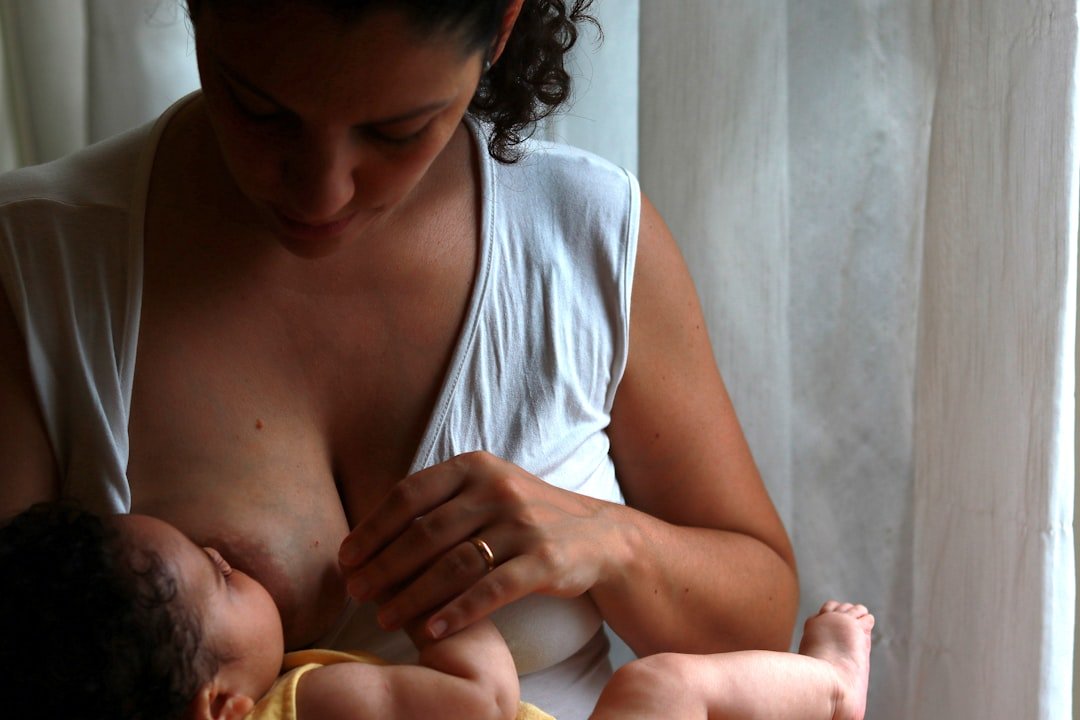
Weaning Guide: Respectful, Age-Based Steps for Stopping Breastfeeding
In short
When the time comes to stop breastfeeding, many mothers feel a mix of relief and guilt. It’s normal. Nursing is a deep bond, and letting go requires time, information, and a lot of self-compassion. At IMS, we support families going through this transition because we know every mother and baby has their own unique rhythm.

When the time comes to stop breastfeeding , many mothers feel a mix of relief and guilt. It’s normal. Nursing is a deep bond, and letting go requires time, information, and a lot of self-compassion. At IMS, we support families going through this transition because we know every mother and baby has their own unique rhythm. In this article we explore weaning guide in depth with practical examples.
Key Points When it comes to weaning guide, it pays to listen to what families and lead guides actually report.
- The WHO recommends exclusive breastfeeding until 6 months and complementary feeding until 2 years or more, but the final decision is always yours.
- A respectful weaning process happens in stages: first, you reduce one feeding, wait a few days, and substitute it with another offer (food, a cup, a cuddle).
- Signs your baby is ready include interest in solid food, very short nursing sessions, or increased independence during the day.
- The bond doesn’t break when you stop breastfeeding. It transforms and is nourished through other forms of connection.
- If weaning is due to medical or work reasons, there are strategies to do it without distress.
- When to Stop Breastfeeding: There’s No Universal Timeline
- A Respectful Weaning Process: How to Wean Without Pressure
- Night Weaning: The Final Frontier
- What Happens to the Mother’s Body?
- Complementary Foods and Independence
- Weaning for External Reasons: Work, Health, or Circumstances
- How Weaning Affects the Mother-Child Bond
- Frequently Asked Questions About Stopping Breastfeeding
- Key Takeaways
When to Stop Breastfeeding: There’s No Universal Timeline
The World Health Organization (WHO) recommends exclusive breastfeeding until six months, followed by combining it with complementary foods up to two years or longer. However, this is a guideline, not a strict rule. Many families choose to wean earlier for work, medical, or personal reasons, and that is completely valid. The important thing is that your decision is informed and respects both your baby’s needs and your own. Daily practice with weaning guide reveals nuances no handbook fully captures.
In Montessori pedagogy, we observe each child as a unique individual with their own rhythm. This applies to breastfeeding, too. There is no single “correct” age to wean. What you can look for are signs that the moment is approaching: your baby shows more interest in food than in the breast, feedings shorten without you being ill or stressed, or your little one seeks other forms of comfort (a hug, a lovey). If your instinct tells you something has changed, it probably has. Understanding weaning guide from inside the classroom reshapes everyday decisions.

A Respectful Weaning Process: How to Wean Without Pressure
Respectful weaning is based on a simple principle: don’t eliminate, substitute. Instead of stopping breastfeeding abruptly, you gradually replace feedings with other offers. This method is gentler for both baby and you, as it helps prevent engorgement and unexpected crying. Concrete data on weaning guide is worth reviewing before acting on assumptions.
Start with the feeding your baby is least interested in. This is often the midday or after-nap session. Replace it with a snack or solid food and offer water in an open cup (in Montessori, we use real cups from a very young age to foster independence). Wait three or four days for you both to adjust. Then reduce another feeding. Repeat until you reach the last one, which is usually the nighttime or early morning feed, the most deeply connected.
During this process, skin-to-skin contact doesn’t disappear: massages, lap reading, songs before bed. The breast was a way of connecting. Now, other ways emerge.
Signs Your Baby is Ready to Wean
Every child sends signals, but there are common patterns. Between 9 and 12 months, many babies nurse for less than five minutes and prefer to get down on the floor to play. After their first birthday, some refuse the breast during the day but seek it at night. If your child eats solids happily, calms down with a story or song, and no longer seeks the breast as a first option, weaning can be a very natural process.
In our Montessori Nido (0-3 years), we see how the youngest children naturally let go of breastfeeding at their own pace, supported by guides who respect every moment. There is no rush or comparison with other children.

Night Weaning: The Final Frontier
The bedtime feed is often the hardest to let go of because it’s so tied to ritual and comfort. If you decide to tackle it, do so once daytime feedings are solid and your baby is eating enough during daylight hours. An effective strategy is to gradually shorten the nighttime feeding: first five minutes, then three, then just the latch-on moment. Replace the rest with gentle back pats or rocking.
Another resource is to involve your partner. If the baby wakes and the other parent responds, your little one learns that comfort doesn’t only come from the breast. This works especially well from 12-15 months onward, when the child understands there are other trusted people.

What Happens to the Mother’s Body?
Your body also needs to adjust. As you reduce feedings, milk production decreases gradually, but you may experience moments of engorgement. Apply a cold compress (a bag of frozen peas wrapped in a cloth), express small amounts just to relieve pressure (not to empty the breast), and wear wire-free bras. If you notice painful lumps or a fever, consult your midwife or doctor, as it could be mastitis.
Hormones change, too. The oxytocin produced during nursing will drop, which can cause sadness or a feeling of emptiness. This is temporary. Talk to other mothers who have been through it, seek professional support if needed, and give yourself permission to feel.
Complementary Foods and Independence
Weaning often coincides with the introduction of complementary foods. In Montessori, we see this as an opportunity to foster independence: the child seated at table height in their own chair, with real plates and cups, exploring textures and flavors with their hands. It’s not about them eating everything, but about participating.
Breast milk is gradually replaced by dairy (if tolerated) or enriched plant-based alternatives. Cow’s milk is not recommended as a main drink before age one. Always consult your pediatrician to adapt your child’s diet to their specific needs.
At IMS, we offer a balanced diet included in all our programs because we know nutrition is part of whole-child development. If you’d like to see how we integrate food into our daily routine, book a personalized school tour and see it for yourself.
Weaning for External Reasons: Work, Health, or Circumstances
Weaning isn’t always by choice. Sometimes work demands it, the mother’s health requires it, or circumstances change. In these cases, weaning can feel more abrupt, but there are ways to soften it.
If you have to return to work and want to maintain some breastfeeding, you can pump and store milk in the fridge (up to 72 hours) or freezer (up to 6 months). Many mothers combine direct nursing at night and on weekends with pumped milk during the day. If weaning needs to be total and fast, reduce one feeding every two days instead of stopping all at once, and offer plenty of physical contact to compensate.
The Spanish Association of Pediatrics (AEP) publishes updated guidelines on breastfeeding and weaning that can guide you through these moments. You are not alone, and you don’t have to invent solutions from scratch.
How Weaning Affects the Mother-Child Bond
This is the most common fear: “Will they stop needing me?” The short answer is no. The breast was a way of connecting, but not the only one. Children who are weaned respectfully maintain the same emotional security as before, because the bond is nurtured by presence, not the breast.
In fact, many mothers find that after weaning, the relationship changes but doesn’t worsen. New rituals emerge: reading together before bed, walks where your child holds your hand, songs that become your shared signal of calm. The bond evolves with the child.
Frequently Asked Questions About Stopping Breastfeeding
Can I stop breastfeeding cold turkey?
It’s not recommended. Abrupt weaning can cause engorgement, mastitis, and emotional distress for both mother and baby. The ideal approach is to reduce feedings gradually, eliminating one every three or four days. If you must do it quickly due to circumstances, consult a lactation professional to minimize the effects.
Will my baby be traumatized if I stop breastfeeding?
No. Studies from the American Academy of Pediatrics (AAP) show that children weaned respectfully do not show significant emotional differences from those who nurse longer. What creates security is the quality of the bond, not the breast itself.
What if my child refuses the cup or bottle?
Try a small open cup (used in Montessori from 6 months). Some children reject the bottle because the nipple feels strange but will accept drinking directly. Offer water or milk at room temperature in a calm setting, without forcing. Patience is key.
How long does it take for my body to stop producing milk?
Between two and four weeks after the last feeding. Production drops gradually as the baby nurses less. If you feel discomfort, express small amounts just for relief. Don’t empty the breast, as that signals the body to keep producing.
Is it normal to feel sad when I stop breastfeeding?
Yes, it’s very common. The drop in oxytocin and prolactin can cause a feeling of emptiness or crying without an apparent reason. This usually lasts one to two weeks. If sadness persists or intensifies, consult your midwife or a mental health professional. It’s not weakness. It’s biochemistry.
Key Takeaways
Stopping breastfeeding is a process, not an event. It requires listening to your baby, respecting your own timeline, and seeking reliable information. A respectful, step-by-step weaning protects the bond and health of both of you. There is no rush, and no single right way to do it.
If you’re at this stage and want to share experiences with other families, at IMS we host workshops like “Acompañando-té” where mothers find support and practical tools. Email us at [email protected] or call +34 653 04 17 39 to learn more.









