Raising Bilingual Children: Practical Guide for Families in Sotogrande

In short
- Bilingual children typically say their first words between 12 and 18 months, just like everyone else.
- Mixing languages is a normal stage of development, not a sign of confusion.
- The more years of natural immersion, the better the pronunciation and fluency.
- What makes the difference is daily, consistent exposure in context, not occasional classes.

When do bilingual children start talking?
Most say their first words between 12 and 18 months and combine two words by around age two. These ranges match those of monolingüe children, according to the Spanish Association of Pediatrics in their language development guidelines.
What does change is the distribution. A young child may have 50 words split across two languages, while a monolingüe child keeps them all in one. The total count matters, not the tally in each language separately. If your 2-year-old says 30 words in Spanish and 20 in English, their real vocabulary is 50 words, exactly what’s expected.

Does bilingualism cause language delay?
No. Evidence gathered over the last thirty years shows bilingual children hit the same language milestones as monolingüe ones. A University of Washington study demonstrated that the infant brain distinguishes both sets of sounds from the first months of life.
However, you need to look at both languages together to assess development. If a 3-year-old understands instructions in both languages, communicates needs, and combines words, they’re doing fine. If they haven’t passed 50 words in either language or aren’t combining words, it’s worth consulting your paediatrician.
The classic mistake: holding back the second language “just in case”
Many families stop speaking their own language at home when they notice the child is slow to talk. That’s a mistake, it reduces language richness without speeding anything up. The solution is to keep the family language and build vocabulary in both through shared reading and songs, without correcting the child.

What’s the best age to introduce a second language?
Any age is good, but the peak window of sensitivity runs from 0 to 7 years. UNESCO highlights that early exposure to multiple languages boosts cognitive flexibility and cultural awareness.
Example: a gradual plan for one family
Imagine you’ve just moved to Sotogrande with a 4-year-old and want to add English. Start with 20 minutes of English storybooks a day. By week two, swap one car song for a tune in the new language. By month one, set up an English play corner at home. By three months, your little one will follow short stories and sing along naturally. You don’t need extra classes at the start, you need consistency.
What it actually means to be bilingual
A bilingual child is one who understands and communicates in two languages, with different levels of fluency depending on use. They don’t have to speak both equally well. There are three common profiles it helps to distinguish so you can set realistic expectations.
| Profile | What happens | What to expect |
|---|---|---|
| Simultaneous bilingual | Exposed to two languages from birth | May mix languages until about age 4 |
| Sequential bilingual | Starts learning the second language after age 3 | Progresses quickly with daily immersion |
| Receptive bilingual | Understands the second language but responds in one | Needs more opportunities to speak |
Strategies for raising bilingual kids
The strategies that work best are built on consistency and real-world use of the language, not constant correction. Here are the four most effective ones you can start today.
One person, one language
Assign one language to each caregiver and stick to it. The child then links each language to a specific speaker and separates the two systems effortlessly. If both parents speak both languages, you can agree on one home language and one for the outside world.
Immersion in real-life contexts
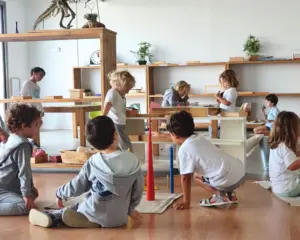
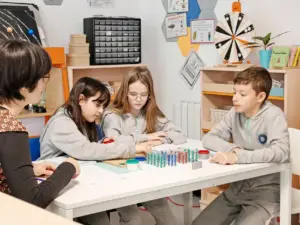
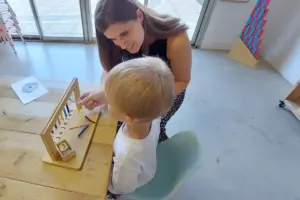
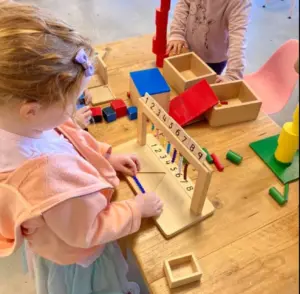
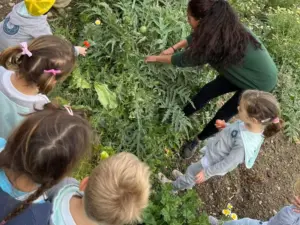
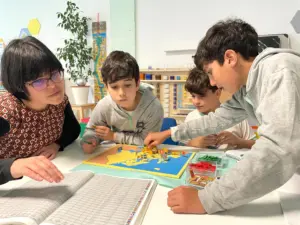
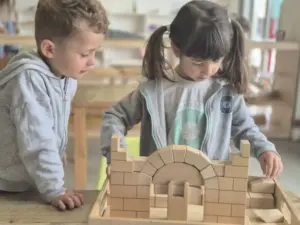
At IMS we run Spanish-English dual immersion from Nido and Toddler Community (0 - 3 years), with French from Children’s House. Immersion woven into real contexts like play and daily routine works far better than formal instruction before age 6.
Daily reading and songs
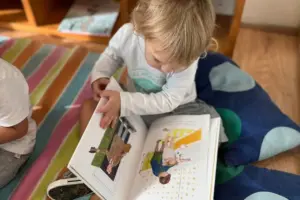
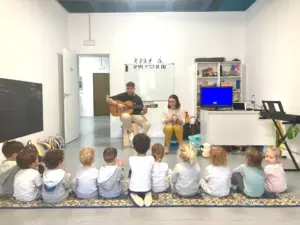
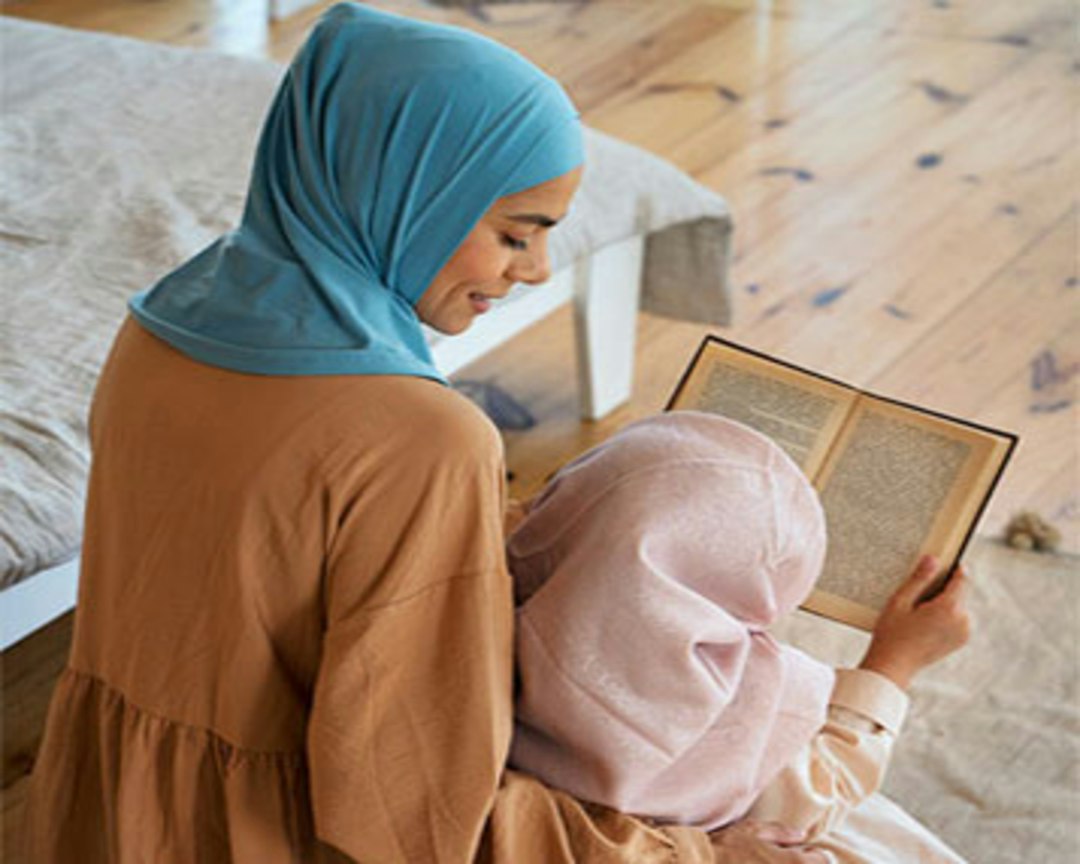
Ten minutes of read-aloud a day multiplies vocabulary. Alternate the two languages depending on the day. Songs with gestures help lock in grammar structures without the child feeling like they’re studying.
Benefits of bilingualism in early childhood
On top of that, bilingualism opens cultural and social doors. For international families moving to Campo de Gibraltar or the Costa del Sol, speaking two or three languages makes settling in easier and builds the child’s confidence in new environments. It’s a concrete, measurable advantage.
Frequently asked questions
When do bilingual children start talking?
Bilingual children usually say their first words between 12 and 18 months and combine two words by around age two, just like monolingüe children. Their vocabulary may be split across the two languages, but the total is what’s expected for their age.
Does bilingualism cause language delay?
No, bilingualism does not cause language delay. Children growing up with two languages follow the same developmental milestones as monolingüe children, even if their vocabulary is spread across both. To assess their progress, add up the words from both languages rather than judging each one separately.
What’s the best age for a child to learn another language?
The prime window runs from 0 to 7 years, when the brain is most receptive to the sounds and structures of a language. That said, any age is fine to start. What matters most is daily exposure in context, not the exact age you begin.
What does it mean to be bilingual?
A bilingual child understands and communicates in two languages, even if their fluency in each isn’t identical. They may speak both comfortably, or understand one and reply in the other. What matters is that they use both languages functionally in everyday life.