
Primary Montessori School Near Algeciras: How to Choose the Best Option for Your Child
In short
Finding a primary Montessori school near Algeciras isn’t always easy: options are limited, and families who value respectful education often wonder if a real choice exists close to home. The good news is that, just a short drive away, you’ll find a school with internationally accredited Montessori pedagogy and an environment that respects each child ‘s pace.

Finding a primary Montessori school near Algeciras isn’t always easy: options are limited, and families who value respectful education often wonder if a real choice exists close to home. The good news is that, just a short drive away, you’ll find a school with internationally accredited Montessori pedagogy and an environment that respects each child‘s pace. In this article we explore primary Montessori school Algeciras in depth with practical examples.
At IMS Sotogrande, we welcome families from Algeciras every year who are looking for exactly that: a primary school where their children learn with autonomy, in a bilingual environment, and with AMI-trained guides. Here we explain the criteria to apply and how the Elementary (6-12 years) stage works in a real Montessori classroom. When it comes to primary Montessori school Algeciras, it pays to listen to what families and lead guides actually report.
- What a Montessori Primary School for Children Aged 6-12 Actually Means
- How to Tell if a Montessori School Near Algeciras is Authentic
- Why Families from Algeciras Choose a School in Sotogrande
- What Children Learn in a Montessori Primary School
- Differences Between a Montessori Primary and Traditional Education
- The Admissions Process for Families from Algeciras
- Frequently Asked Questions
- Key Takeaways
What a Montessori Primary School for Children Aged 6-12 Actually Means
Montessori primary, called Elementary in the method, groups children aged 6 to 12 in the same space. This age range is intentional: Maria Montessori discovered that children at this stage learn better when they collaborate, investigate real projects, and have time to delve deeper into their interests. Daily practice with primary Montessori school Algeciras reveals nuances no handbook fully captures.
Instead of compartmentalized subjects, the Elementary classroom offers great stories that connect math, language, science, history, and geography. The child doesn’t memorize: they experiment, ask questions, and build their own knowledge with concrete materials designed for each level of abstraction. Understanding primary Montessori school Algeciras from inside the classroom reshapes everyday decisions.
How to Tell if a Montessori School Near Algeciras is Authentic
Not all centers that use the word Montessori apply the method rigorously. To verify that a primary Montessori school in Algeciras or the surrounding area meets standards, look for three clear signs. Concrete data on primary Montessori school Algeciras is worth reviewing before acting on assumptions.
First, ask about accreditation. The Association Montessori Internationale (AMI) is the organization founded by Maria Montessori herself and sets the world’s most rigorous standards. An AMI-accredited school guarantees guides trained at AMI centers, approved materials, and environments that respect the original philosophy.
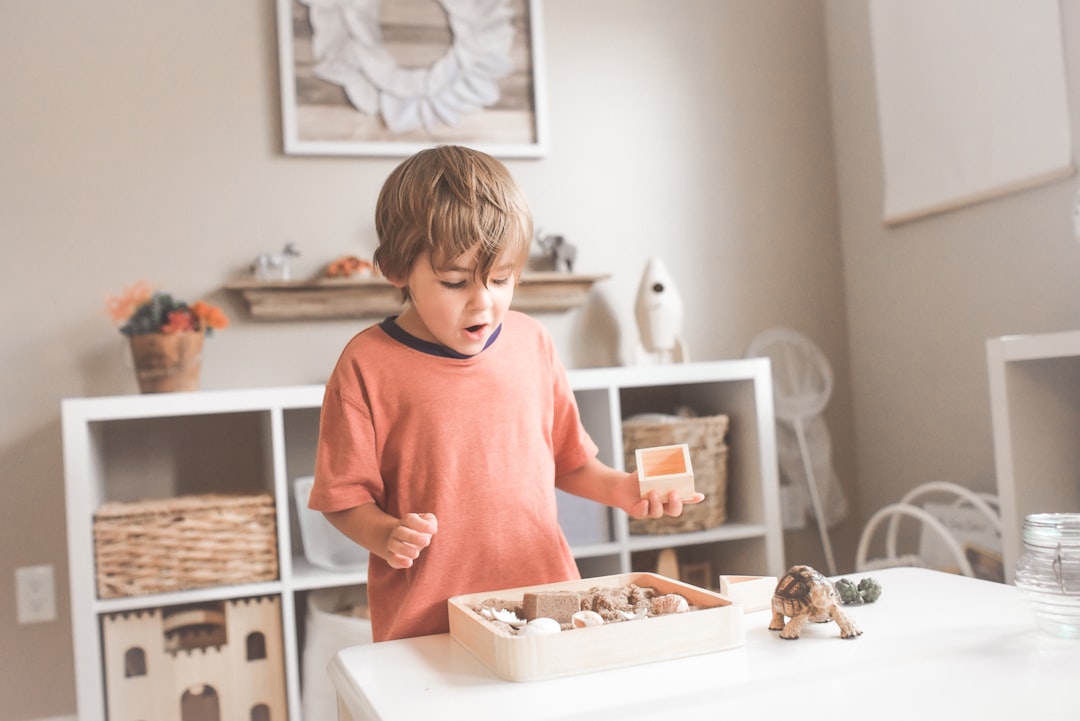
Second, observe the classroom. An authentic Montessori environment has accessible wooden materials on open shelves, individual and group tables, and children working at their own pace without a guide dictating from a blackboard. Silence isn’t the goal. The focus is on respected concentration.
Third, review the teaching team’s training. At IMS, for example, our Elementary team includes Javier Baena, Daniela Pereyra, Teresa García, Jennifer Lynam, Adriana Moreno, and Palma García Hormigo, all with experience in Montessori education and committed to individualized observation of each student.
Why Families from Algeciras Choose a School in Sotogrande
Algeciras is just a 20-25 minute drive from our campus in Sotogrande, next to Sotomarket (San Roque). This commute along the A-7 or AP-7 motorway becomes a manageable routine for many families who prioritize educational quality over geographical proximity.
The benefits make it worthwhile: an AMI and NEASC accredited Montessori environment, bilingual Spanish-English immersion from the early years, French from Children’s House, and a safe setting in a residential area with green spaces. Plus, the schedule is flexible, with options until 5:00 PM, which helps families who work in Algeciras or the Campo de Gibraltar area.
Book a personalized school visit and see for yourself how a Montessori Elementary classroom works.
What Children Learn in a Montessori Primary School
The Elementary curriculum covers all areas of knowledge, but the teaching approach is radically different. In language, children work with sensory materials before moving to abstract grammar. In mathematics, they manipulate the abacus, golden beads, and geometry materials to grasp concepts that are often explained only on paper in other schools.
Sciences and history are presented as grand narratives: the story of the universe, the story of life, the story of humankind. Each great story opens doors to research projects that children design with their guide’s help, developing critical thinking, analytical skills, and teamwork.
At IMS, we add complementary programs such as music education, art and creativity, yoga and mindfulness, and a balanced diet. All this, in a trilingual environment that prepares children for a globalized world.
Differences Between a Montessori Primary and Traditional Education
The most visible difference is the mixed-age grouping. In an Elementary classroom, children aged 6 to 12 coexist, creating a community where older ones help younger ones and everyone learns from diversity. In traditional education, groups are homogeneous by age, and the program, not the child, sets the pace.
Another key difference is assessment. In Montessori, there are no exams or numerical grades. The guide observes, records progress, and holds periodic meetings with families. At IMS, we conduct at least three tutorials per year and quarterly reports, plus weekly updates every Friday through our platform.
The materials also change. In Montessori primary, children work with concrete objects that allow them to understand before abstracting. This approach respects neurological development and generates deep understanding, not temporary memorization.
The Admissions Process for Families from Algeciras
If you live in Algeciras and are considering a Montessori primary school, the admissions process at IMS is straightforward and can be initiated at any time of year. There are five steps: request a visit, complete the application form, finalize pre-registration online, receive confirmation, and submit documentation for enrollment.
Places for the following school year are managed starting in March, with priority given to already enrolled students. Interested families can consult all updated information and conditions on the admissions page of our website.
You can also call us directly at +34 653 04 17 39 or email [email protected] to resolve any questions about schedules, programs, or the commute from Algeciras.
Frequently Asked Questions
How far is IMS Sotogrande from Algeciras?
Our school is in Sotogrande, next to Sotomarket (San Roque), about a 20-25 minute drive from Algeciras via the A-7 or AP-7 motorway. Many families from Algeciras make this commute daily because they value our AMI-accredited Montessori education and the bilingual environment we offer.
What age are children in Montessori primary?
Montessori primary, which we call Elementary, groups children aged 6 to 12. This broad range allows older children to guide younger ones and for everyone to learn collaboratively, respecting different developmental paces within the same environment.
Do I need to speak English for my child to join Montessori primary?
No. At IMS, we work with dual Spanish-English immersion from Nido, so children acquire both languages naturally through their surroundings. Families who don’t speak English don’t need to do anything special: the school handles immersion during the school day.
How can I tell if a Montessori school is authentic?
Look for three things: AMI accreditation (the organization founded by Maria Montessori), guides trained at recognized AMI centers, and classrooms with approved Montessori materials where children work at their own pace. If the school isn’t accredited, ask about the specific training of its guides.
Key Takeaways
Finding a primary Montessori school near Algeciras that meets international standards doesn’t have to be complicated. Less than a 30-minute drive away, IMS Sotogrande offers an AMI and NEASC accredited Elementary program, with trilingual immersion, experienced guides, and an environment that respects each child’s natural development.
If you’re evaluating options for the next school year, the best step is to see the classroom in action. Book your personalized visit and discover firsthand how children learn in a real Montessori school.









