
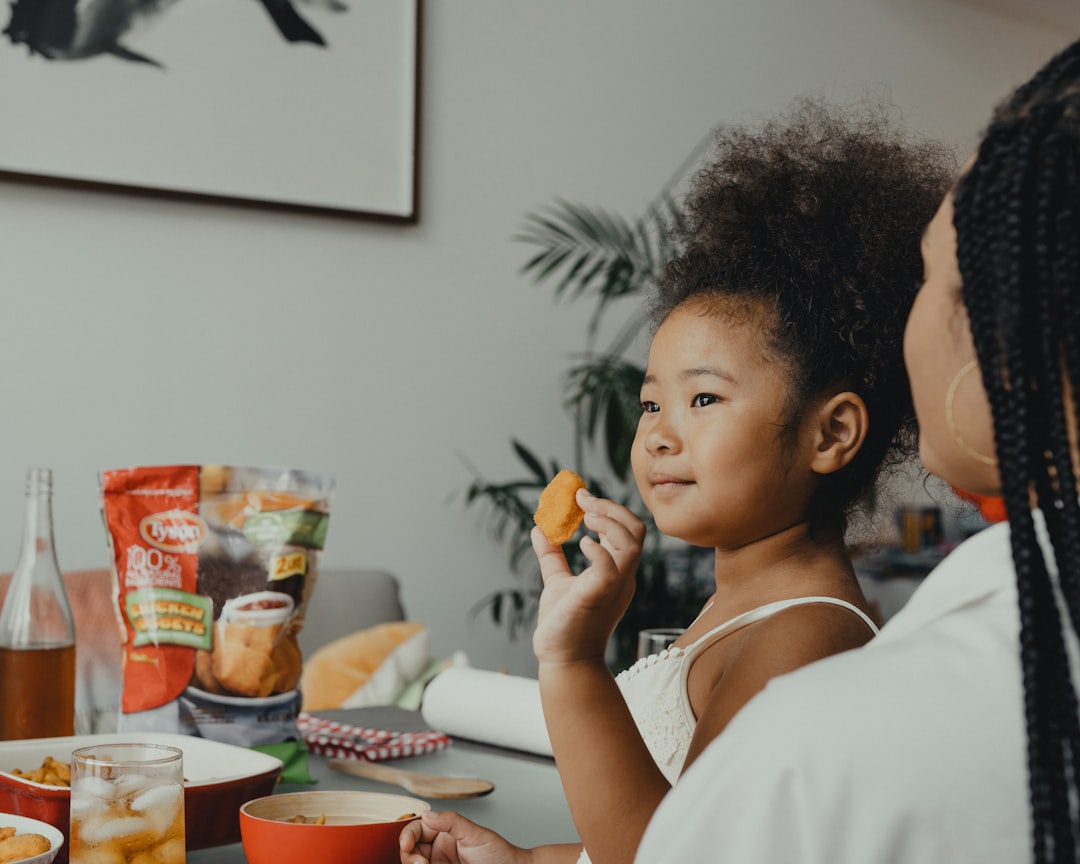
Child Won’t Eat? Montessori Strategies for Families in Sotogrande & Costa del Sol
In short
When your child refuses to eat, dinner can feel like a battlefield. You leave the table exhausted, convinced you’re doing something wrong. You’re not. Food refusal is one of the most common childhood phases and has real explanations worth understanding. In this article we explore child won’t eat in depth with practical examples.

When your child refuses to eat, dinner can feel like a battlefield. You leave the table exhausted, convinced you’re doing something wrong. You’re not. Food refusal is one of the most common childhood phases and has real explanations worth understanding. In this article we explore child won’t eat in depth with practical examples.
- A child who won’t eat isn’t being picky: their body and brain are processing enormous changes.
- Forcing, bribing, or rewarding food worsens their relationship with eating in the long run.
- The Montessori method encourages a child’s active participation in the entire food process, from shopping to serving.
- Autonomy at the table reduces rejection because the child feels legitimate control over what they eat.
- If refusal is intense or prolonged, consulting a pediatrician helps rule out medical causes.
Why your child won’t eat (and it’s not to annoy you)
Children between 2 and 6 years old experience a phase of food neophobia: they reject new or familiar foods without apparent reason. It’s an evolutionary mechanism. Our ancestors survived because their young didn’t eat random berries unsupervised. Your child isn’t choosing not to eat to frustrate you. Their brain is protecting them. When it comes to child won’t eat, it pays to listen to what families and lead guides actually report.
Additionally, between 18 months and 3 years, autonomy emerges. The child discovers they can say “no” and uses it constantly. Food is a domain where that “no” holds a lot of power. If you react forcefully, they learn that refusing food gives them control over you. Daily practice with child won’t eat reveals nuances no handbook fully captures.
The American Academy of Pediatrics confirms that parental pressure during meals is one of the factors that most increases food selectivity. The more you insist, the less they eat.

What Montessori pedagogy says about eating
In the Montessori method, eating doesn’t start at the table. It starts much earlier: during shopping, preparation, and in the kitchen environment. Maria Montessori observed that children who actively participate in the cooking process show much less resistance to trying foods.
The core principle is autonomy with responsibility. In a Children’s House class (ages 3-6), each child serves their own portion, eats at their own pace, and clears their plate. There’s no adult saying “eat two more spoonfuls.” There’s an adult who trusts the child knows when they’re full.
At IMS Sotogrande, we see this every day. When a 4-year-old cuts their own tomato with a Montessori knife and adds it to their salad, the likelihood of them eating it multiplies. Not because we force them, but because they chose it.

7 practical strategies if your child won’t eat
1. Involve them in the preparation
A 3-year-old can wash lettuce. A 5-year-old can peel a boiled egg. Ask them to choose between two vegetables at the supermarket. Give them a real task in the kitchen. When they sit at the table, they already know that food in another way.
2. Offer small portions
An overflowing plate is overwhelming. Put half a spoonful of each item. If they want more, let them serve themselves. Autonomy over quantity reduces rejection because they don’t feel something is being imposed on them.
3. Eliminate bribes
“If you eat your chicken, you can have ice cream” seems innocent but teaches the child that healthy food is punishment and dessert is a reward. In the long run, this creates a toxic relationship with food. Serve food without conditions.
4. Respect their appetite
Children regulate their hunger better than adults. If they eat little one day, don’t assume they’re hungry. If they eat a lot, don’t cut their portion. Their body knows. Trust it.
5. Don’t turn the table into an interrogation
“Did you try the soup? What about the beans? Why aren’t you eating the bread?” Each question is pressure. Talk about other topics during the meal. The table is for connection, not supervision.
6. Maintain clear schedules
Breakfast, mid-morning snack, lunch, afternoon snack, and dinner. If your child doesn’t eat at lunch, don’t give them cookies at 4:00 PM with the excuse that “they didn’t eat.” If they know there will always be another mealtime, their anxiety decreases.
7. Repeat without pressuring
A child may need 15-20 exposures to a food before accepting it. Don’t stop offering broccoli because they rejected it three times. Put it on their plate without comments. Without forcing. If one day they try it, celebrate internally, not externally (an overly enthusiastic “well done!” also creates pressure).
Book a personalized school visit and discover how we foster food autonomy in every classroom.

Common mistakes that worsen refusal
The most frequent: offering an alternative when the child doesn’t eat what’s served. “Don’t want pasta? I’ll make you toast.” This teaches that saying no is enough to get what they really want. At IMS, we serve a single menu, the same for everyone, with no alternatives. Children learn that this is the meal for the day.
Another common mistake: using food for comfort. “You’re sad? Here, have some chocolate.” Associating food with negative emotions creates patterns that last into adulthood. Food is nourishment, not therapy.
It’s also harmful to comment on how much they eat in front of others. “Look, your sister ate everything.” Comparison breeds rivalry, not appetite.
When to really worry
There are signs that require medical consultation. If your child eats fewer than 10 foods and rejects entire groups (all vegetables, all soft textures), talk to your pediatrician. Severe food selectivity may be related to sensory sensitivities that need professional support.
Other red flags: weight loss, constant fatigue, vomiting when trying new foods, or extreme anxiety around food. In these cases, a speech therapist specializing in child feeding can make a difference.
At IMS, we have the Rainbow classroom, specialized in diversity and special educational needs. If your child shows signs of intense food refusal, we can guide and support you through the process.
The role of the prepared environment
Maria Montessori insisted that the physical environment directly influences a child’s behavior. A table at their height, plates they can manage on their own, a chair where their feet touch the floor: these details eliminate frustrations that lead to refusal.
At home, you can create a prepared eating environment without spending money. All you need is a stool to reach the counter, a sturdy plastic knife, and a tablecloth you can wash without fuss. A child who feels the space is theirs eats more calmly.
In AMI classrooms, practical life materials include small pitchers, trays, and individual napkins. Everything designed so the child can act without depending on the adult. The dining table follows the same logic.
Frequently asked questions
Is it normal for my 2-year-old to want to eat almost nothing?
Yes, it’s completely normal. At age 2, growth slows compared to the first year of life. The child needs fewer calories and their appetite naturally decreases. If they’re growing well and have energy, there’s no cause for alarm.
Should I force my child to try new bites?
No. Forcing causes immediate rejection and worsens food selectivity in the long term. Offer without pressuring. Put the food on their plate, eat the same food yourself, and let them decide. Imposition closes doors. Repeated exposure opens them.
What do I do if my child only wants to eat pasta and bread?
First, stay calm. Many children go through phases of dietary monotony. Continue offering variety at each meal without comment. Cook pasta with different sauces, add vegetables to bread, introduce variations of the food they do accept. If the phase lasts more than 2-3 months without change, consult your pediatrician.
Key takeaways
A child who won’t eat isn’t a discipline problem. It’s a sign they need a different approach. Montessori pedagogy shows that when you give a child real autonomy in food, from preparation to choosing their portion, rejection decreases naturally.
Your role isn’t to monitor what they eat but to create an environment where eating is a pleasurable, pressure-free experience. Start today with just one thing: let your child serve their own portion tonight. You’ll see how the dynamic changes.









