
Montessori Sensory Activities for Kids by Age | International School Near Sotogrande
In short
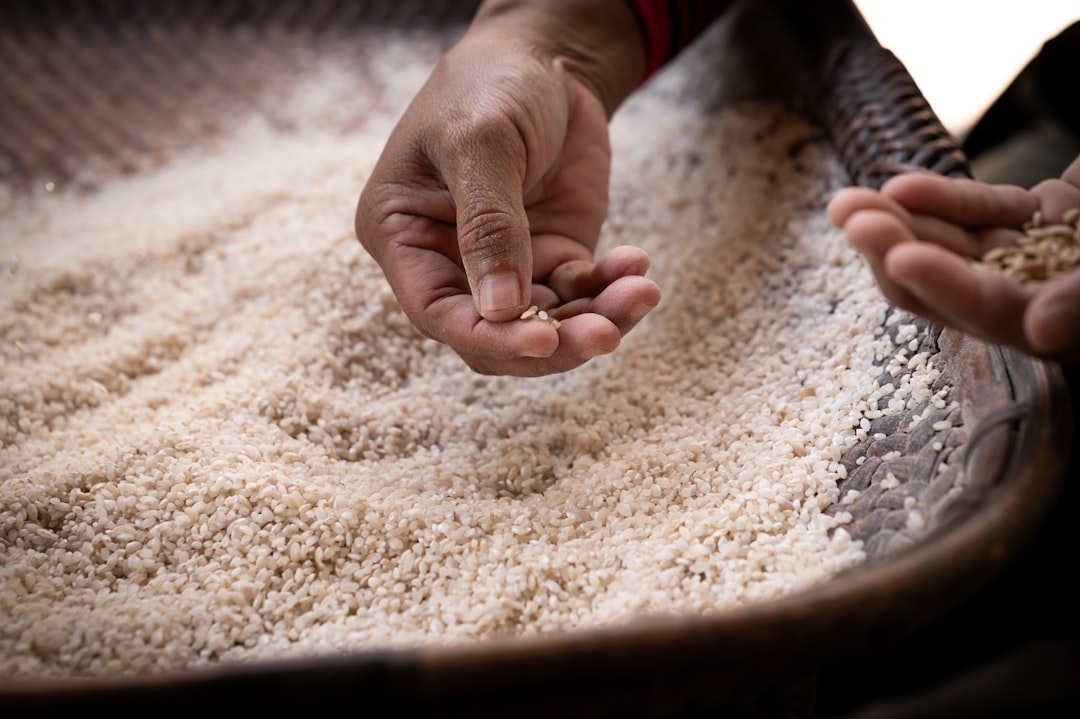
Montessori Sensory Activities for Kids by Age: When an 18-month-old stirs rice with their hands for twenty minutes straight, they aren’t making “a mess”. They are classifying textures, regulating pressure, and building neural connections that no plastic toy with lights can match. Sensory activities for kids are the gateway to deep learning, and they don’t have to cost money.

When an 18-month-old stirs rice with their hands for twenty minutes straight, they aren’t making “a mess”. They are classifying textures, regulating pressure, and building neural connections that no plastic toy with lights can match. Sensory activities for kids are the gateway to deep learning, and they don’t have to cost money. In this article we explore Montessori sensory activities in depth with practical examples.
- Orderly sensory stimulation fosters concentration and reduces frustration.
- Natural materials (wood, fabric, water, sand) offer richer stimuli than synthetic ones.
- Each Montessori plane of development has specific sensory activities tailored to what the child needs at that moment.
- Household objects are all you need to create engaging proposals for children from 0 to 12 years old.
- Why Sensory Activities for Kids Aren’t an Extra, They’re the Foundation
- Sensory Activities for Babies (0-18 Months): Hands, Mouth, and Gaze
- Montessori Sensory Activities from 18 Months to 3 Years: The Sensitive Period for Touch
- Sensory Activities for Kids Aged 3 to 6: Classify, Compare, Name
- Sensory Stimulation from 6 to 12 Years: Science, Art, and Complexity
- Common Mistakes When Proposing Sensory Activities
- Frequently Asked Questions
- Key Takeaways
Why Sensory Activities for Kids Aren’t an Extra, They’re the Foundation
Maria Montessori observed that young children learn through their hands before they learn through words. The sensory information that reaches the brain during the first six years configures the neural pathways that later serve for reading, writing, calculating, and problem-solving. When a child experiments with warm and cold water, dry and wet sand, heavy and light objects, they are organizing their perception of the world. When it comes to Montessori sensory activities, it pays to listen to what families and lead guides actually report.
Science confirms this. A study published in PubMed Central notes that multisensory stimulation improves working memory and sustained attention in children aged 3 to 6. It’s not about flooding the child with stimuli, but about offering them experiences with quality and order. Daily practice with Montessori sensory activities reveals nuances no handbook fully captures.

Sensory Activities for Babies (0-18 Months): Hands, Mouth, and Gaze
In the Nido (0-3 years) at IMS, we work every day with simple sensory activities because that’s what babies need. At this age, the senses are the primary channel. You don’t need expensive toys. Understanding Montessori sensory activities from inside the classroom reshapes everyday decisions.
Treasure Baskets
Place 8 to 10 objects of different materials in a wicker or sturdy cardboard basket: a wooden spoon, a wool ball, a large pinecone, a metal ladle, a piece of silk fabric, a lemon. Everything clean and without small parts. The baby explores with hands and mouth. Change the objects weekly to maintain interest.
Dry Cereal and Water Trays
Set up a kitchen tray with a thin layer of rice or oats. A 10 to 18-month-old baby will run their fingers through it, pour, and scoop. Add a small bowl with warm water beside it so they can experience the difference between dry and wet. Put a towel underneath and accept there will be some mess.
Mirror and Textures
Using strong adhesive tape, stick pieces of different fabrics (velvet, soft sandpaper, fleece, cotton) around a floor-level mirror. The baby sees themselves while touching. This combination of visual and tactile stimulation reinforces body awareness, something we consider fundamental in Montessori pedagogy before 18 months.

Montessori Sensory Activities from 18 Months to 3 Years: The Sensitive Period for Touch
Between 18 months and 3 years, a child wants to touch everything, mix everything, pour everything. It’s their sensitive period for sensory classification. If you frustrate them, you lose an irreplaceable learning window. If you guide them with intention, you give them tools for life.
Transfer Trays
Give them two bowls and a ladle. In one, put dry lentils, chickpeas, or rice. The child transfers from one side to the other. It sounds simple, but it works on hand-eye coordination, pressure control, and concentration. When they master the ladle, move to kitchen tongs. Then to a smaller spoon. Progression is key.
Water and Soap Play
Fill a basin with warm water and a few drops of soap. Give them sponges, spoons, funnels, and plastic bottles for pouring. Children this age can stay focused for half an hour. Add blue food coloring to simulate the sea and put shells or stones inside. You are expanding vocabulary (inside, outside, full, empty, floats, sinks) without giving a single formal lesson.
Sensory Path at Home
Tape pieces of different surfaces to the hallway floor: carpet, rough cardboard, burlap fabric, foam rubber. The barefoot child walks over them and names what they feel. At IMS, this type of path is part of the movement routine in our Children’s House.
If you’re looking for an environment where these activities are integrated into daily life and not as something occasional, book a personalized visit to the school and discover how the prepared environment of our Nido and Children’s House works.

Sensory Activities for Kids Aged 3 to 6: Classify, Compare, Name
From age 3, the child wants to name what they perceive. Sensory activities for kids at this stage incorporate language, order, and gradation. Classic Montessori sensorial materials (pink tower, brown stair, color tablets) fulfill this function, but at home you can replicate the essence.
Scent Jars
Fill small opaque jars (spice jars) with coffee, lavender, cinnamon, grated citrus, vinegar. Make two identical sets. The child smells one jar from each hand and tries to find the match. It works on olfactory discrimination, memory, and classification. It’s one of the favorite activities in our Children’s House.
Temperature Tablets
Use small glass bottles filled with water at different temperatures (cold, room temperature, warm, tepid). The child touches and orders them from coldest to warmest. You can add a blindfold to intensify the tactile experience.
Mystery Bags
In an opaque fabric bag, put various objects: a key, a small ball, a brush, a stone, a spoon. The child puts their hand in, feels without looking, and guesses what it is. This game develops stereognosis, which is the ability to recognize objects by shape and texture without using sight.
Sensory Stimulation from 6 to 12 Years: Science, Art, and Complexity
In the Elementary (6-12 years) program, sensory activities become more sophisticated. The child no longer just perceives: they experiment, hypothesize, and create.
Viscosity Experiments
Prepare five jars with liquids of different density: oil, water, honey, milk, syrup. The child pours different colors into each and observes how they mix or separate. Then they record in a scientist’s notebook what they see. You are working on visual sensory perception, logic, and written expression at the same time.
Sensory Dough Sculptures
Mix flour, salt, oil, and water to make homemade dough. Add essences (vanilla, mint) and food colorings. The child models free shapes or replicates geometric structures they’ve seen in class. If you give them a wooden sculpting tool, they are exercising fine motor skills at a level far superior to coloring a worksheet.
Blindfolded Tactile Circuits
Design a circuit in the living room with different floors: a towel, a tray with sand, cold tiles, a yoga mat. The child, blindfolded, follows the circuit guided only by touch and a partner’s instructions. It fosters trust, communication, and proprioception.
Common Mistakes When Proposing Sensory Activities
The first: giving too many stimuli at once. If you fill the table with materials, the child jumps from one to another without going deep. Offer one activity at a time and let them repeat it as many times as they want.
The second: intervening too much. If the child is pouring water from one cup to another, don’t correct their posture or say “not like that”. Observe. Only intervene if there is a real safety risk. Mistakes are part of learning.
The third: cleaning up immediately. Allowing the child to experience sensory disorder and then participate in cleaning up reinforces responsibility and autonomy. At IMS, Children’s House children sweep their own table after each activity. It’s not a punishment. It’s the natural closure of the cycle.
Frequently Asked Questions
At what age can I start with sensory activities for kids?
You can start from birth. A 3-month-old baby already responds to textures, temperatures, and sounds. The treasure basket is ideal from around 6 or 7 months, when the child can sit with support. The important thing is that the materials are safe (no small parts or sharp edges) and that they are present consistently, not as something occasional.
Do sensory activities help with tantrums?
Yes, because they regulate the nervous system. When a child is emotionally overwhelmed, activities like putting their hands in warm water, kneading dough, or playing with sand act as a sensory anchor. They don’t eliminate the tantrum, but they shorten the dysregulation phase. At IMS, we use sensory resources as a self-regulation tool within the classroom, without labeling it as “therapy”.
Do I need to buy specific Montessori materials?
No. Classic Montessori sensorial materials (pink tower, color tablets, scent bottles) are designed for the classroom, but the principle applies with household objects: spoons of different materials, fabrics, fruits, spices, water, sand. What matters is the progression, repetition, and order. If you want to delve deeper, on the website of the Spanish Montessori Association you will find resources and training.
How long should each sensory activity last?
As long as the child wants. A baby might spend 5 minutes exploring a basket and a 4-year-old might spend 40 minutes on a transfer tray without getting up. Concentration isn’t forced: it’s protected. If the child gets distracted quickly, the activity probably doesn’t match their level or there are too many stimuli around. Remove toys from the environment and observe what happens.
Are sensory activities useful for children with special needs?
Sensory activities are especially beneficial for children with atypical sensory processing, ADHD, or autism spectrum disorder. The key is to adjust the intensity: a hypersensitive child needs soft textures and gentle stimuli. A hyposensitive child needs distinct textures and more intense stimuli. In the Rainbow Classroom at IMS, we work on this adaptation individually. If you need guidance, you can contact us at +34 653 04 17 39.
Key Takeaways
Sensory activities for kids don’t require expensive materials or rigid schedules. They need intention, observation, and respect for the child’s pace. From the first months to age 12, sensory activities build attention, language, motor skills, and emotional regulation directly.
Start today with what you have at home: a bowl of rice, a sponge, a stone, a piece of fabric. Put it on a tray, offer it to your child, and observe. If you want to see how we integrate these proposals into a certified Montessori environment, visit IMS Sotogrande and experience the difference.









