
Montessori Kindergarten in Sotogrande: A Guide to Ages 3 - 6

For many international families, choosing a Montessori kindergarten in Sotogrande means looking for an education stage from ages 3 to 6 that supports independence, order and respect for each child’s individual pace. A Montessori kindergarten is a prepared educational environment where children learn through hands-on materials, movement and responsible choice, with an adult who observes and guides them. In Spain, this stage usually corresponds to Casa de Niños. In this article we explore Montessori kindergarten Sotogrande in depth with practical examples.
- In brief
- What is the Montessori method and how does it work?
- What are the 4 pillars of the Montessori method?
- What is Montessori preschool and what happens in a Montessori preschool?
- Is Montessori education a good choice?
- Montessori kindergarten programme: what should it include for ages 3 to 6?
- Montessori kindergarten in Sotogrande: how to choose a Montessori school
- Frequently asked questions
In brief
- The Montessori 3 - 6 cycle combines freedom with limits, hands-on materials and adult guidance.
- At IMS, its four pillars are Community, Independence, Educational Innovation and Responsibility.
- A strong programme includes practical life, language, movement, art, community life and Spanish-English immersion.
- A school visit should allow you to observe the environment, the team’s preparation and communication with families.

What is the Montessori method and how does it work?
The Montessori method is an active educational approach that prepares the environment so children can choose, repeat and complete activities with increasing independence. The adult presents the materials, observes the child’s response and adapts the provision when necessary. It is therefore not about leaving children without guidance. When it comes to Montessori kindergarten Sotogrande, it pays to listen to what families and lead guides actually report.
In Casa de Niños, groups include children aged 3 to 6. Younger children observe classmates with more experience, while older children consolidate their learning by helping others. The Association Montessori Internationale recognises adult preparation, the environment and respect for child development as key points of reference. Daily practice with Montessori kindergarten Sotogrande reveals nuances no handbook fully captures.

What are the 4 pillars of the Montessori method?
When families ask about the four pillars, IMS describes them as Community, Independence, Educational Innovation and Responsibility. These principles guide everyday classroom decisions and help connect the educational approach with family life. Understanding Montessori kindergarten Sotogrande from inside the classroom reshapes everyday decisions.
| Pillar | How it can be seen |
|---|---|
| Community | Mixed-age groups, cooperation and caring for others. |
| Independence | The child chooses an activity, uses the materials and puts them away afterwards. |
| Educational Innovation | The team adapts activities without losing the essence of Montessori. |
| Responsibility | Everyone contributes to caring for the classroom and the wider environment. |
The prepared environment, hands-on materials and adult observation also support these pillars. Independence does not mean doing everything alone. It means receiving the right amount of help to move forward without someone else doing what the child can already attempt. Concrete data on Montessori kindergarten Sotogrande is worth reviewing before acting on assumptions.

What is Montessori preschool and what happens in a Montessori preschool?
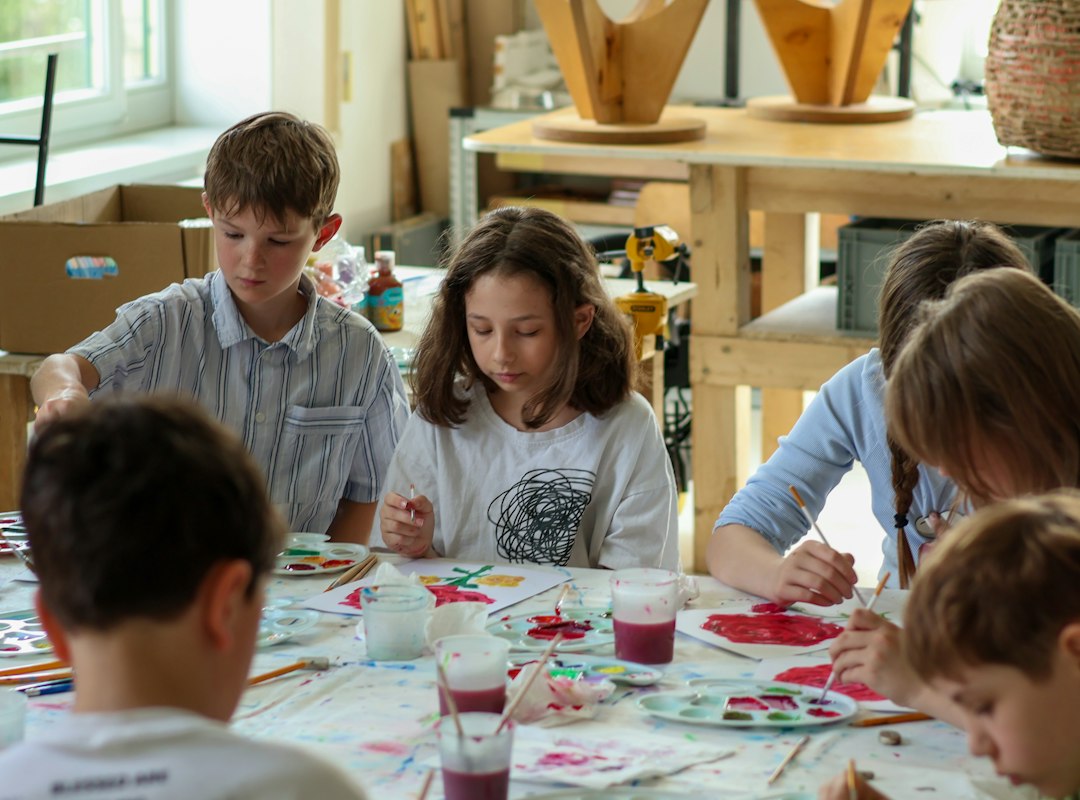
Montessori preschool is the stage from approximately ages 3 to 6, when children work in a prepared environment with hands-on materials, practical life routines, language, movement and mixed-age community life. In a Montessori preschool, learning starts with activity rather than lengthy whole-group explanations.
Imagine a 4-year-old spending 12 minutes transferring water with a small jug, wiping up a drop and returning the material to its shelf. This Montessori preschool activity develops coordination, concentration, order and the satisfaction of completing a work cycle. Afterwards, the child may choose a language activity or join a group presentation.
Is Montessori education a good choice?
Montessori education can be a good choice for families who value independence, concentration, respect for each child’s pace and active participation. However, the experience depends on the team’s preparation, the consistency of the environment and communication with home. Simply providing wooden materials or using the Montessori name is not enough.
A common mistake is confusing freedom with a lack of boundaries. The solution is to offer two or three genuine choices, explain how each material is used and maintain a consistent routine. For example, a 5-year-old may choose between sorting objects or preparing a language activity, but must respect other people’s work and tidy up afterwards.
It is also worth asking how diversity is supported and how families receive information. At IMS, the Rainbow classroom supports special educational needs, alongside weekly reports, parent meetings and communication through the school’s platforms. You can also consult the UNESCO for its general approach to educational quality.
Montessori kindergarten programme: what should it include for ages 3 to 6?
A strong Montessori kindergarten programme should bring together practical life, sensorial education, language, mathematics, culture, movement, art and community life. In a Montessori kindergarten, materials progress from concrete experiences towards more abstract ideas, with brief presentations and opportunities for repetition.
At IMS, Casa de Niños serves children aged 3 to 6 as part of a Spanish-English immersion programme. French also begins at this stage. The programme includes emotional intelligence, yoga and mindfulness, music education, art, creativity, health education and a balanced diet.
A practical example would be a 5-year-old working for 20 minutes on a sorting activity, then discussing the vocabulary in English and taking part in a group song. The child is not memorising three languages in isolation. They are listening, acting, naming and communicating in meaningful situations.
Montessori kindergarten in Sotogrande: how to choose a Montessori school
When choosing a Montessori kindergarten in Sotogrande , first check whether the environment is orderly, whether materials are accessible and whether adults speak to children respectfully. Then ask how observation is carried out, how families are kept informed and what specific training the team has.
In the Campo de Gibraltar, IMS Sotogrande offers an international reference point for families in Sotogrande, San Roque, La Línea de la Concepción, Algeciras and Gibraltar. The school holds accreditations from AMI, NEASC and the Junta de Andalucía. For families looking for an international school near Gibraltar , it is also worth considering the daily journey and educational continuity after Casa de Niños.
What to look for during a Montessori kindergarten visit
During a visit to a Montessori kindergarten, look at whether children are working with concentration, whether they can move around without disruption and whether adults intervene calmly. Ask what happens when a child refuses an activity, how conflicts are handled and how the transition to Taller for ages 6 to 12 is supported.
At IMS, continuity includes Nido for ages 0 to 3, Casa de Niños for ages 3 to 6 and Taller for ages 6 to 12. This pathway helps an expat family on the Costa del Sol assess not only the current classroom but also the longer-term school journey. A useful visit ends with clear answers about settling in, communication and next steps.
Frequently asked questions
What is the Montessori method and how does it work?
The Montessori method is an active educational approach in which children learn through responsibly chosen activities, concrete materials and collaboration. A trained adult observes, guides and adapts the environment without replacing the child’s initiative. Freedom develops within clear boundaries, while repetition helps children consolidate skills progressively.
What are the 4 pillars of the Montessori method?
The four pillars IMS uses to explain its approach are Community, Independence, Educational Innovation and Responsibility. They can be seen in community life, growing independence, adapted activities and participation in caring for the classroom and wider environment. When assessing a school, it is worth checking how these principles are applied every day.
What is Montessori preschool?
Montessori preschool is the approximate 3 - 6 age stage in which children work in a prepared environment with hands-on materials, practical life activities, language, movement and mixed-age community life. The adult presents activities and observes the process, while the child participates, repeats, tidies up and develops independence step by step.
Is Montessori education a good choice?
It may suit families who value independence, concentration, respect for each child’s pace and active participation. Quality depends on the team’s preparation, the consistency of the environment and communication with families. Before deciding, visit the classroom and ask about training, boundaries, assessment and support for diverse needs.









