
Montessori Fine Motor Activities at Home: Age-by-Age Guide

Montessori fine motor activities at home are short, purposeful activities that help children coordinate their hands, fingers and eyes while building independence. Fine motor skills involve precise movements such as fastening, pouring, threading, drawing and using cutlery. In Montessori, children learn through purposeful activity, repetition and freedom within clear limits.
In summary
- Focus on one skill per activity and present the material calmly.
- From 0 to 3 years, prioritise pouring, carrying, opening, closing and fitting large objects together.
- From 3 to 6 years, add tongs, threading, safe cutting, simple sewing and food preparation.
- Observe the process, not just the result, and remove the activity when the child loses interest.

How fine motor skills develop in childhood
Fine motor development progresses from broad movements to increasingly precise actions. First, children stabilise their trunks and use both hands. Later, they coordinate one hand to hold while the other performs an action. When it comes to Montessori fine motor activities at home, it pays to listen to what families and lead guides actually report.
At 18 months, many children enjoy carrying large objects, placing pieces into containers and twisting lids. At 3 years, they may be ready to pour water, use large tongs or thread appropriately sized beads. Later, drawing, cutting and writing require greater control of the wrist and fingers. Daily practice with Montessori fine motor activities at home reveals nuances no handbook fully captures.
The Association Montessori Internationale places practical life and purposeful movement among the experiences that support independence. As a result, a simple tray can offer more value than a repetitive worksheet. Understanding Montessori fine motor activities at home from inside the classroom reshapes everyday decisions.
From 12 to 36 months
At this stage, activities with a visible purpose work well. Carrying a basket, placing napkins, fitting lids or wiping a small table allow children to repeat actions without feeling that they are being trained. The movement also makes sense to the child because it responds to a real need.
From 3 to 6 years

Montessori fine motor activities at home and in the classroom
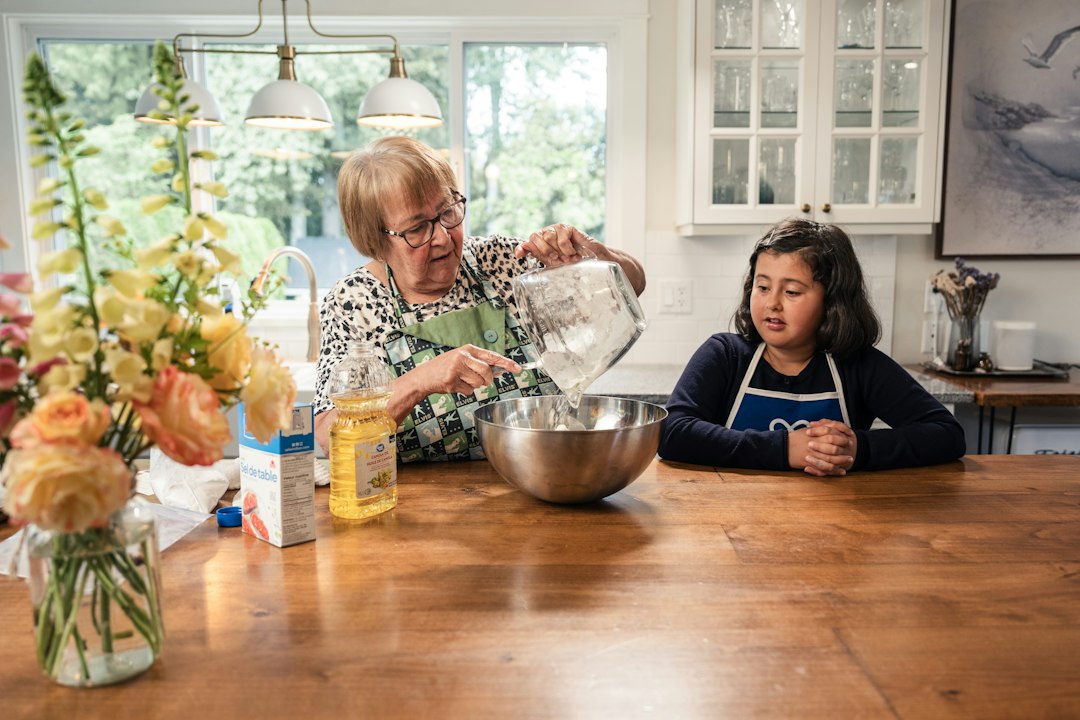
These Montessori fine motor activities work best when children understand what each material is for. You do not need to buy a complete tray. You can prepare an activity with a small jug, two glasses, a sponge and a tray to contain spills.
The presentation matters. Place the material on a low shelf, demonstrate the movement slowly and use few words. Then allow the child to repeat it. If you are searching for how to do Montessori at home, the answer starts here: prepare the environment, observe and avoid stepping in before help is needed.
Practical life exercises that prepare the hand
Practical life exercises strengthen the hand because they combine precision, coordination and an everyday purpose. Pouring, wringing, folding, opening fasteners and cleaning a surface work small muscles without separating learning from family life.
These practical life exercises also teach order. For example, children learn to carry materials with both hands and return each object to its place. They may also notice for themselves if they have spilled water or left a garment unfastened.
Common mistake: offering too many activities at once or correcting every movement. This fails because children stop watching their own work and start waiting for adult approval. Instead, present one activity, wait and change it only when it is no longer challenging.

Montessori fine motor activities by age
Montessori fine motor activities should be adapted to the child’s age, hand strength and previous experience. A suitable activity supports concentration without causing constant frustration or demanding a perfect result.
| Approximate age | Activity | What it develops | Adult’s role |
|---|---|---|---|
| 18-24 months | Carrying large objects between two baskets | Grip and bilateral coordination | Demonstrate once and observe |
| 2-3 years | Pouring water and using a sponge | Wrist control and precision | Limit the amount of water |
| 3-6 years | Tongs, threading and safe cutting | Pincer grip and hand-eye coordination | Supervise without doing the task |
| 6-12 years | Sewing, simple cooking and hands-on projects | Planning and manual endurance | Help organise the steps |
How to choose suitable Montessori fine motor activities
Choose Montessori fine motor activities that respond to a specific observation. If your daughter spills when drinking, practise pouring. If your son gets frustrated when fastening his clothes, offer a dressing frame or a simple garment. This way, the activity starts with a real need rather than a generic checklist.
Montessori fine motor activities with a real purpose
Montessori fine motor activities should connect the hand with an understandable action. That is why preparing a snack, watering a plant or folding a cloth often captures more attention than completing lines without context.
Example 1: an activity for a 22-month-old
Place a tray with two baskets and eight large wooden rings. The child carries one ring at a time for seven minutes. Afterwards, they can put the materials away. If they lose interest after three minutes, remove the tray without turning the activity into an obligation.
Example 2: an activity for a 4-year-old
Prepare a snack with a banana, a blunt child-safe knife, a board and a plate. The child cuts, arranges the pieces and cleans the table for ten minutes. The sequence supports hand-eye coordination, pressure control and order. An adult stays nearby, especially during cutting.
Safety is also part of the prepared environment. Avoid small pieces with children under 3 and always supervise threading, cooking or cutting activities. The American Academy of Pediatrics offers general guidance on child safety. Also check every object before presenting it and remove it if it breaks.
Frequently asked questions
What are the best Montessori activities for fine motor skills?
The best Montessori fine motor activities have a clear purpose: pouring, carrying, opening fasteners, using tongs, threading, cutting soft foods or sewing with supervision. The right choice depends on the child’s age, safety and the skill they need to practise. Offer one activity at a time and allow the child to repeat it without interruption.
What age can children start fine motor activities?
You can begin during the first year with simple, safe activities such as carrying large objects, fitting suitable pieces together or turning thick pages. Between 18 and 24 months, you can introduce pouring or opening containers with supervision. Before age 3, avoid small pieces and check that no material can be swallowed.
How do I set up Montessori activities at home?
Choose one action, place a few objects on a tray and position it within the child’s reach. Demonstrate the movement slowly, use few words and then observe without interrupting. You can start with glasses, cloths, baskets or a small jug. Adjust the difficulty according to the child’s interest and change the activity when it no longer offers an appropriate challenge.
Do worksheets help develop fine motor skills?
Worksheets can practise certain strokes, but they do not replace experiences that strengthen the hands, wrists and fingers through real actions. Pouring, cutting, fastening, building, drawing and handling objects provide varied, purposeful movement. Use paper as an occasional option, especially when the child already shows interest, but not as the centre of hand preparation.









