
Montessori Casa de Niños Near San Roque: A Guide for Families
In short
If you’re searching for a Montessori Casa de Niños near San Roque for your 3 to 6-year-old, you probably have a lot of questions. What does a typical morning look like? What materials do they use? Does it truly respect the child’s pace?

If you’re searching for a Montessori Casa de Niños near San Roque for your 3 to 6-year-old, you probably have a lot of questions. What does a typical morning look like? What materials do they use? Does it truly respect the child’s pace? At IMS (International Montessori School Sotogrande), we have an AMI-accredited Casa de Niños classroom just a 15-minute drive from San Roque pueblo. Here’s how it really works, without idealism. In this article we explore montessori school san roque in depth with practical examples.
Key Points When it comes to montessori school san roque, it pays to listen to what families and lead guides actually report.
- The Montessori Casa de Niños caters to children aged 3-6 in a prepared environment with authentic AMI materials.
- At IMS, we offer bilingual Spanish-English immersion from the moment children enter the classroom, with French as a third language.
- The base schedule is from 9:00 to 14:00, with optional extension until 17:00.
- Each child works at their own pace, chooses activities, and develops real autonomy.
- The IMS campus is located in Sotogrande (Sotomarket), 15-20 minutes from San Roque, La Línea, and Algeciras.
- What Exactly is a Montessori Casa de Niños?
- A Morning at Our Casa de Niños
- Why AMI-Certified Montessori Materials Matter
- Real Bilingualism, Not Just Language Classes
- Schedules, Extended Hours, and Work-Life Balance
- How Does the Adaptation Process Work?
- What to Look For When Choosing a Montessori Casa de Niños
- Frequently Asked Questions
- Key Takeaways
What Exactly is a Montessori Casa de Niños?
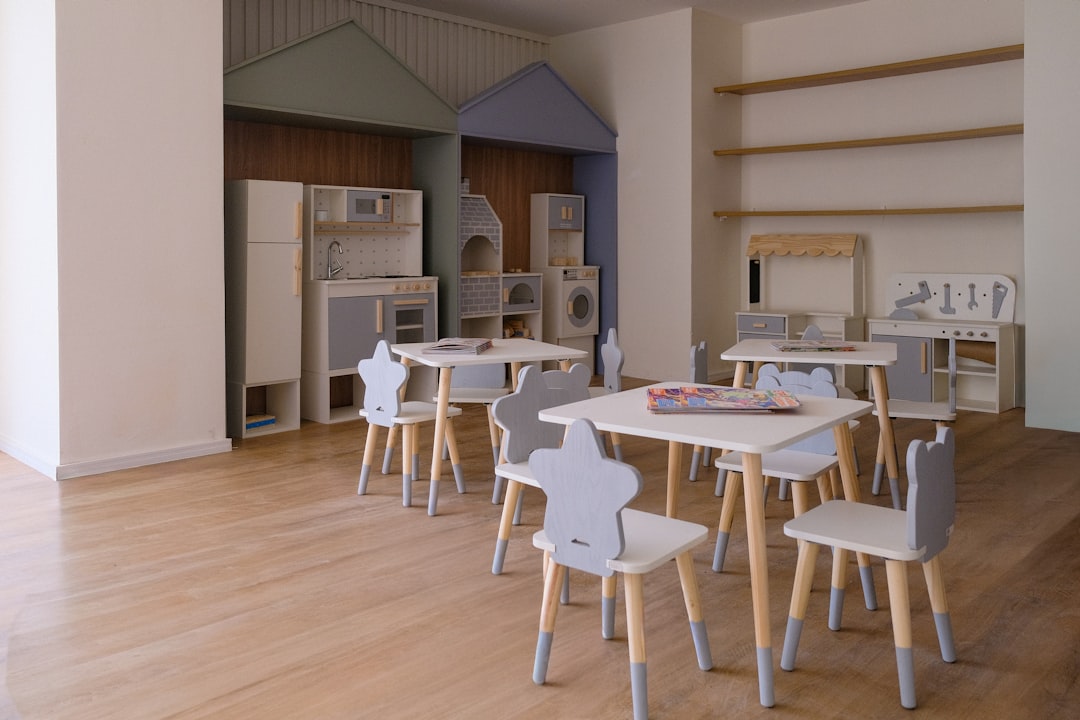
The Casa de Niños is the Montessori environment designed for children aged 3-6. Maria Montessori called it this because it reproduces the everyday tasks of a home: cooking, caring for plants, sweeping, getting dressed. But with a clear educational goal: for the child to build their independence, concentration, and respect for others. Daily practice with montessori school san roque reveals nuances no handbook fully captures.
It’s not a nursery with pretty toys. It’s a space where every material has a purpose, every shelf is within the child’s reach, and the adult is a guide who observes, not a teacher who dictates. The Asociación Montessori de España describes this period as the stage when the child absorbs the world with all their senses. Understanding montessori school san roque from inside the classroom reshapes everyday decisions.

A Morning at Our Casa de Niños
At 9:00, the children arrive, take off their shoes, put on their slippers, and go straight to their activity. There’s no line, no mandatory assembly. Each child chooses where to start: maybe the pink tower, maybe pouring water in the practical life area, maybe a map puzzle. Concrete data on montessori school san roque is worth reviewing before acting on assumptions.
The morning lasts three hours without interruptions. This continuous work block is what Montessori called the work cycle. Children who have been in the classroom for a while reach states of deep concentration that surprise families visiting for the first time.
Mid-morning, snacks are prepared: the children themselves cut fruit, set the table, and serve. Then there’s time outdoors in our covered and uncovered areas. There’s no fixed recess: movement is part of the work.

Why AMI-Certified Montessori Materials Matter
In our Montessori Casa de Niños near San Roque (based in Sotogrande), we exclusively use AMI-certified materials. This isn’t a whim: the original materials are designed with a sensory progression that allows the child to self-correct. If a piece doesn’t fit, the child knows without being told.
The cube towers, brown stairs, color tablets, sandpaper letters: each of these materials has decades of research behind it. The Association Montessori Internationale certifies that IMS classrooms meet their quality standards.
Real Bilingualism, Not Just Language Classes
One of the main reasons families from San Roque, La Línea, Algeciras, and Gibraltar choose IMS is our bilingual immersion. It’s not one hour of English a day. It’s that each guide speaks one language: one in Spanish, one in English. The children absorb both languages naturally, just as they absorb their mother tongue at home.
From age 3, we also introduce French through songs, games, and short routines. We don’t aim for children to speak three perfect languages by age 6, but for them to have a trained ear and zero emotional barriers to other languages.
Book a personalized school visit to see bilingual immersion in action.
Schedules, Extended Hours, and Work-Life Balance
The base Casa de Niños program runs from 9:00 to 14:00. For families who need more time, we extend until 15:00, 16:00, or 17:00. This schedule is designed for parents who work, whether in Gibraltar, the Algeciras free zone, or remotely from home.
If you’re looking for a Montessori Casa de Niños near San Roque because you need to balance work and parenting, IMS’s extended hours give you real flexibility. You can check the updated options and fees on our admissions page.
How Does the Adaptation Process Work?
The first days are gentle. The guide welcomes the child, shows them the environment without rushing, and offers a simple activity. There’s no forced crying or long goodbyes. Most children are engaged within the first week because the classroom is designed to naturally attract their attention.
Families receive weekly updates through our platform and have at least three parent-teacher conferences per year with the guide. If there’s a specific concern, we ask that they write to us directly. Fluid communication prevents small problems from becoming big frustrations.
What to Look For When Choosing a Montessori Casa de Niños
Not all classrooms that use the name Montessori follow the real method. These are the questions I recommend asking:
- Is the school AMI-accredited, or does it just use the word Montessori?
- Are the materials authentic or plastic imitations?
- Do the guides have internationally recognized AMI training?
- Does the environment allow for a three-hour continuous work cycle without interruptions?
- Is there a mixed-age grouping (3-6 together) or are they separated by grade?
At IMS, we answer yes to all. But the most important thing is that you come and see for yourself.
Frequently Asked Questions
At what age can a child enter the Montessori Casa de Niños?
The Montessori Casa de Niños is for children aged 3-6. At IMS, we require that the child is 3 years old and shows signs of basic independence (using the toilet alone, eating without help). If your child is not yet 3, our Montessori Nido (0-3 years) is the appropriate environment.
Does the Montessori Casa de Niños near San Roque have a waiting list?
Applications can be submitted at any time of year. For the following school year, the process begins in March. Currently enrolled families have priority, but we open new spots every September. We recommend booking your visit as soon as possible to see the environment and secure a place.
What’s the difference between a Montessori Casa de Niños and a traditional school?
In the Casa de Niños, there are no blackboards, homework, or exams. The child chooses their work, works at their own pace, and develops real autonomy. The guide observes and presents new materials when the child is ready. The mixed-age grouping (3-6) allows older children to help younger ones, reinforcing learning for both.
How much does the Montessori Casa de Niños at IMS cost?
Fees for the Casa de Niños program vary depending on the schedule chosen (Raíces or Alas, with extension until 17:00). We don’t publish figures in the blog because they are updated each school year. Check the updated fee information on our admissions page or call us at +34 653 04 17 39.
Key Takeaways
The Montessori Casa de Niños is much more than a place to leave your child while you work. It’s an environment where they build their personality, concentration, and love of learning. If you live in San Roque, La Línea, Algeciras, or anywhere in the Campo de Gibraltar, IMS in Sotogrande is a short, comfortable drive down the motorway.
The best step you can take is to come and see it. Book your visit, walk through the classrooms, talk to the guides, and see if this environment fits your family. Spots fill up fast, so don’t miss the moment.
Viviane Dumont, Director of Studies at IMS Sotogrande









