
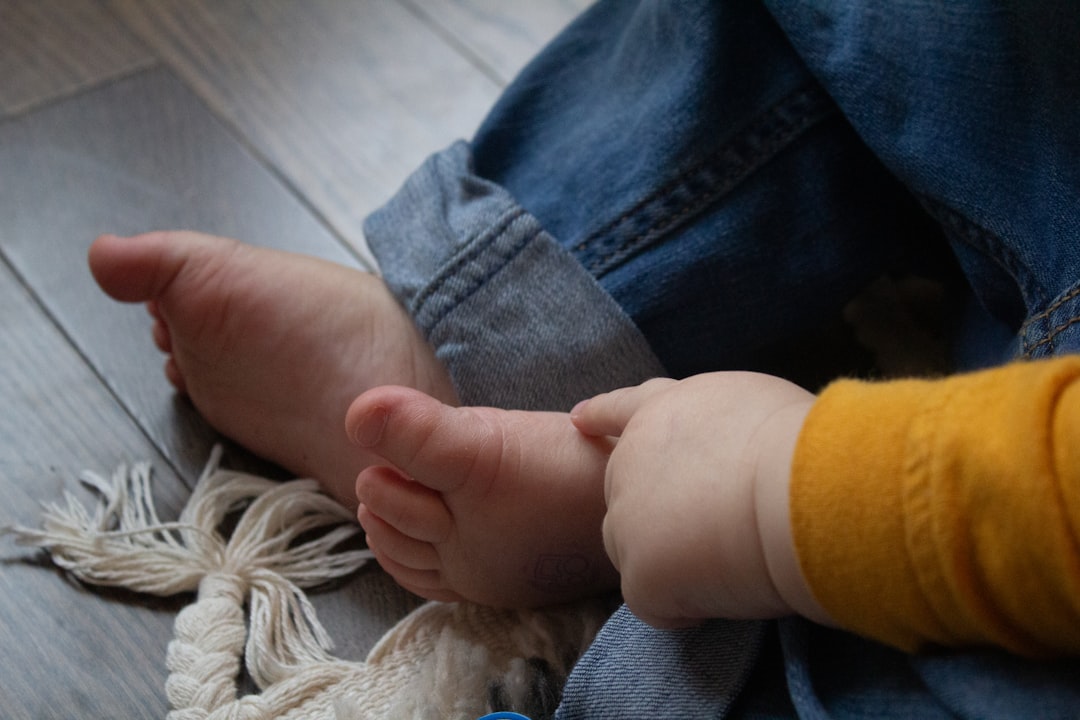
Montessori Baby Activities: A Family Guide

Montessori baby activities that truly foster development are those that allow babies to explore with all their senses, at their own pace. In Montessori pedagogy, an educational game isn’t an electronic toy with lights and sounds, but a simple material that the baby can manipulate freely to discover textures, shapes, and cause-and-effect relationships.
Key Points on Montessori Baby Activities
- Montessori baby activities should be simple, natural, and safe, focused on sensory exploration.
- Offer materials that the baby can grasp, mouth, and examine without instructions.
- Observe your child: the truly educational game is the one they choose and extend on their own initiative.
- Avoid overstimulation: few materials, well-presented, in an order that respects their concentration.

How to Choose Montessori Baby Activities at Home
Choosing Montessori baby activities starts with understanding their innate need for movement and sensory exploration. A baby doesn’t need screens or battery-operated toys. They need real objects (adapted for safety) that offer authentic sensory information: the texture of wood, the weight of a ring, the sound of a soft bell.
The American Academy of Pediatrics (AAP) agrees that human interaction and free play with simple objects are the foundation of early learning. Look for materials that can be used in multiple ways as they grow, such as treasure baskets or wooden rings. At IMS Sotogrande, in our Nido environments (0-3 years), each material is selected for the child to explore with their hands and attention, not to entertain them passively.
Book a personalized school visit and discover how we organize the classroom to promote this autonomous exploration.

5 Montessori Baby Activities for 0-12 Months
You don’t need to fill the house with toys. These five Montessori baby activities cover key stages of their first year, are easy to prepare at home, and are aligned with Montessori principles.
0-3 Months: The Munari Mobile
The first Montessori baby activities focus on visual development. The Munari mobile, with its black and white contrasts, is specifically designed for the newborn’s focal distance (20-30 cm). Place it in their crib or activity area. Don’t hang it directly above their face. Put it slightly to the side to stimulate eye tracking. It’s a scientific material created by Maria Montessori herself to offer the baby pure and ordered visual stimuli.
3-6 Months: The Treasure Basket
When your baby controls their head and starts putting everything in their mouth, prepare a treasure basket. Fill it with safe objects of different textures and natural materials: a wooden spoon, a clean paintbrush, a wool ball, a cork ball. The basket offers a universe of tactile sensations and invites them to choose, concentrate, and compare. This is one of the most powerful Montessori baby activities.
6-9 Months: Rattles and Soft Bells
At this stage, the baby coordinates their hand to grasp and begins to understand cause and effect. Wooden rattles or soft bells tied to a ribbon allow them to discover that their movement generates a sound. This is fundamental learning. Ensure it’s a pleasant sound, not shrill. In our Nido, we use materials that produce delicate sounds that respect their nervous system.
9-12 Months: Stacking Blocks and Simple Puzzles
Your baby sits securely and manipulates with greater dexterity. Offer wooden blocks to stack and knock down (the build-and-destroy game delights at this age) or a simple puzzle with a single knob. These Montessori baby activities work on hand-eye coordination, concentration, and problem-solving. Don’t correct their way of playing. Observe how they discover the logic themselves.

Common Mistakes When Choosing Montessori Baby Activities
One of the most frequent mistakes is confusing “educational” with “electronic.” Toys with flashing lights and shrill music overstimulate the baby and give them already-processed information. They don’t have to effort to seek, touch, or think. Another mistake is offering too many toys at once: it overwhelms and shortens concentration periods. The Montessori recommendation is to present few materials, well-organized on trays or low shelves, and rotate them every two or three weeks. Finally, avoid the mistake of constantly intervening. In Montessori baby activities, your role is to prepare the environment, offer the material, and then observe. Let them explore in their own way.
Frequently Asked Questions
When to start with Montessori baby activities?
From birth. A newborn is ready for gentle visual stimuli, like Montessori mobiles, and for skin-to-skin contact. Montessori baby activities evolve with them: what changes is the type of material, not the opportunity to explore.
Are wooden toys better than plastic ones?
Natural materials, like wood, cotton, or metal, offer the baby richer and more authentic sensory information than plastic. They have different weights, temperatures, and textures. This doesn’t mean banning all plastic, but prioritizing natural materials for their first Montessori baby activities.
Can I make Montessori baby activities myself?
Yes, and it’s a fantastic option. Many of the best Montessori materials are easy to create at home with everyday objects: treasure baskets with kitchen utensils, mobiles made from cardboard, or rattles with containers filled with rice. The important thing is that they are safe and supervised.
Key Takeaways
Montessori baby activities don’t require a big investment, but rather keen observation. A simple material, presented in a moment of alertness and concentration, is worth more than a hundred expensive toys. The key is to respect their natural curiosity and offer a safe, orderly environment where they can explore freely.
If you want to see how we apply these principles in a Montessori environment prepared for early childhood, we invite you to visit our Nido at IMS Sotogrande. Here, your baby grows feeling heard, valued, and secure, ready to discover the world at their own pace.









