
Montessori Activities for 2 Year Olds: Simple Home Learning Ideas
In short
Finding Montessori activities for 2 year olds is one of the best decisions you can make as a parent. At this age, a child's brain is in full bloom: every sensory experience, every repeated movement and every word heard builds neural connections that last a lifetime. You don't need expensive toys or technology.

Finding Montessori activities for 2 year olds is one of the best decisions you can make as a parent. At this age, a child’s brain is in full bloom: every sensory experience, every repeated movement and every word heard builds neural connections that last a lifetime. You don’t need expensive toys or technology. What your child needs is time, simple materials and your company.
At IMS Sotogrande we work daily with children from 0 to 3 years old in our Montessori Nido. We know firsthand what kind of play sparks their curiosity, what materials sustain their concentration and when an adult should intervene or, better yet, step back. This article brings together what works best.
- Free and repetitive play is the real engine of learning at two years old.
- Practical life activities develop autonomy and coordination.
- Natural sensory materials (wood, fabric, water, sand) stimulate more than plastic.
- A prepared and orderly environment helps the child to concentrate and choose.
- Less is more: a few accessible materials, instead of mountains of toys.
- Montessori Activities for 2 Year Olds Based on Sensory Play
- Practical Life Activities That Educate Through Play
- Language and Communication Games for the Early Years
- Common Mistakes When Choosing Educational Games for Two-Year-Olds
- How to Prepare a Montessori-Inspired Play Space at Home
- Frequently Asked Questions
- Key Takeaways
Montessori Activities for 2 Year Olds Based on Sensory Play
At two years old, a child explores the world through their senses. They touch, smell, taste, listen and observe with an intensity adults have lost. The Montessori activities for 2 year olds that work best are those that offer varied textures, sounds, temperatures and smells.
You don’t need to buy anything special. Some simple ideas:
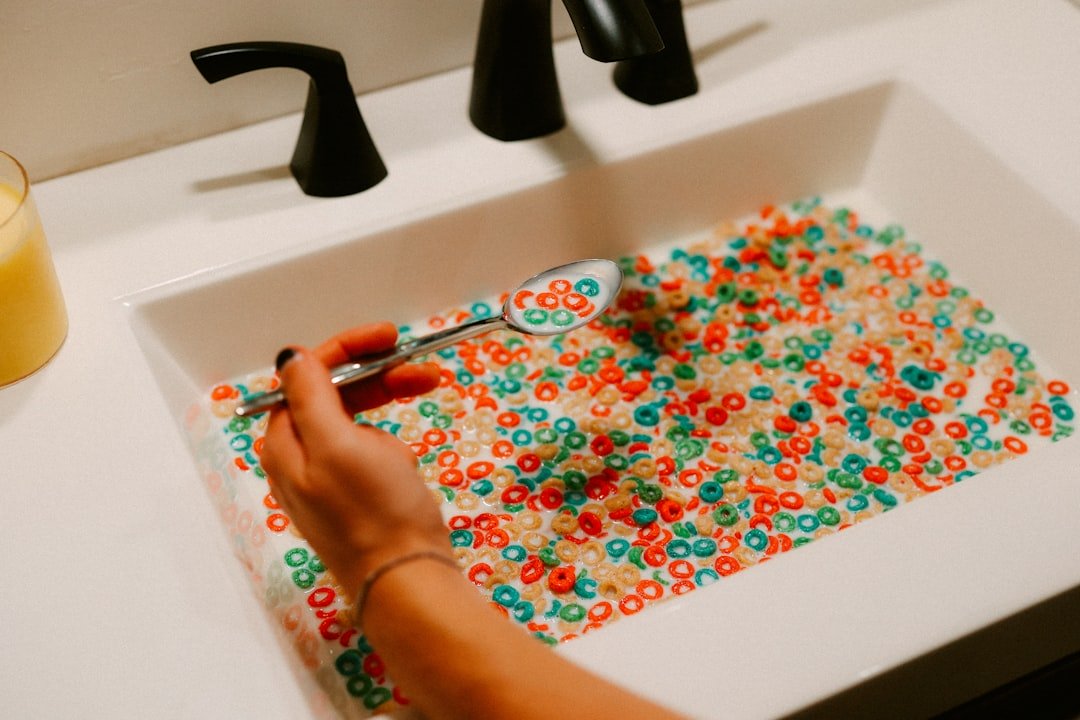
- Sensory bins : Fill a tray with rice, raw pasta, flour or pulses. Add scoops, small containers and figurines. The child can pour, bury, search for hidden objects. Change the content weekly to maintain interest.
- Finger painting : Offer two primary colours on a large surface (roll paper, glass tray). At 24 months, mixing colours and discovering that red and blue make purple is pure magic. Use washable paint, with no rush.
- Water play : A basin, two small jugs and a sponge. The child pours, absorbs, transfers. In summer, outdoors. In winter, on a towel in the kitchen. Water is the most versatile sensory material that exists.
- Sound bottles : Fill clear plastic bottles with seeds of different sizes (chickpeas, lentils, rice). The child shakes them, compares sounds, orders them by volume.
The key is to offer one material at a time and give them time. Don’t interrupt their concentration. If your child repeats the same action thirty times, they are not bored: they are consolidating a learning experience.
The Asociación Montessori de España emphasizes that sensory stimulation in the early years is the foundation of all subsequent logical thought.

Practical Life Activities That Educate Through Play
Maria Montessori discovered something that changes the perspective of many parents: young children don’t want to “play at being grown-ups.” They want to do what adults do, for real. That’s why practical life activities are, possibly, the most educational of all.
At two years old, your child can:
- Pour water from a jug into a glass without spilling. Use small containers. If it spills, they have a cloth beside them to clean: that is part of the exercise.
- Peel a banana or a tangerine . The fine motor skills worked with these actions are immense. Give them a small board, a plate and the fruit. Let them do the whole thing.
- Clean a table with a damp cloth. At 24 months, moving the arm in large circles strengthens the shoulder and prepares for writing.
- Hammer jewelry nails into a piece of foam with a toy hammer. Eye-hand coordination in its purest form.
- Fasten and unfasten : velcro, large buttons, zippers. Practice with old family dresses or with simple activity frames.
What makes these tasks special is the real result. The child sees that the table is clean, that the banana is ready to eat, that the shirt is closed. That generates a deep satisfaction that no plastic toy with lights and sounds can match.
In the IMS Nido we see every day how a 22-month-old child concentrates for fifteen minutes on pouring lentils from one bowl to another. That concentration is the same type of attention they will use, years later, to solve a math problem.
Book a personalized school visit and discover how we transform these activities in the classroom.

Language and Communication Games for the Early Years
Between 18 and 30 months, vocabulary explodes. The child goes from a few words to short sentences. The Montessori activities for 2 year olds that stimulate language don’t have to be complex. It’s enough to talk, name and listen with intention.
Sensory Games That Expand Vocabulary
The sensory materials we have already mentioned also serve as a linguistic springboard. While your child touches a sponge, say: “It’s soft, isn’t it? It’s a sponge. The sponge absorbs water.” Don’t explain: describe. The child absorbs the language that accompanies their sensory experience.
Other ideas:
- Treasure baskets : Fill a basket with real objects from a single theme (fruits, plastic animals, garden tools). Name each one. At two years old, the child can already point and say “more” or “no”.
- Books with real images : Books with photographs work better than illustrated ones at this age. Look for books of animals, vehicles or food with large-scale photos and minimal text.
- Songs with gestures : “Head, shoulders, knees and toes” is not just a song. It’s anatomy, body vocabulary and motor coordination. Sing it slowly, pointing to each part.
- Mirror and emotions : In front of a mirror, make faces. “I’m happy. Now I’m surprised.” The child imitates and names emotions. Emotional intelligence starts here.
If your family is bilingual or trilingual, this moment is pure gold. At IMS we work with immersion in Spanish and English from the Nido, and the children absorb both languages with a naturalness that is amazing. It’s not a question of genetics: it’s constant and consistent exposure.

Common Mistakes When Choosing Educational Games for Two-Year-Olds
There are three mistakes I see frequently among families. Recognizing them in time will save you frustration and money.
- Toy overload : If your child has twenty toys in their room, most of the time they ignore them or take them all out without playing with any. Reduce the quantity. Offer three or four materials on an accessible shelf. Change the available ones every week or every fortnight.
- Electronic toys with buttons : A toy that does everything (sounds, lights, talks) leaves the child as a spectator. The best Montessori activities for 2 year olds are those where the child does the action, not the device.
- Rushing to teach : At two years old, there’s no need to teach letters, numbers or colours directly. The child absorbs concepts through experience. Saying “this bucket is red” while they use it is enough. Worksheets, flashcards and educational apps make no sense at this age.
The American Academy of Pediatrics recommends avoiding screens before 24 months (except family video calls) and limiting their use afterwards. A child who plays freely for an hour develops more cognitive skills than one who spends that hour in front of a tablet.
How to Prepare a Montessori-Inspired Play Space at Home
The environment is the third educator, said Malaguzzi. You don’t need a whole room. A well-organized corner is enough.
Simple principles:
- Low, open shelf : So the child can see the materials and reach them alone. Two or three shelves are enough.
- Visible and accessible material : Nothing stored in boxes with lids. Each activity on its tray or basket, ordered and ready to use.
- Order and rotation : Fewer visible materials, more concentration. When you see that a material no longer interests them, put it away for a month. When you take it out again, it will be like new.
- Real size : Broom, jug, plate and cloth the size of the child, not toy miniatures. Montessori insisted that utensils should be functional.
If you have outdoor space, a low table with soil, water and plants is a natural laboratory. Children of this age need to be in contact with nature. Dirt under fingernails, leaves that break, stones that accumulate: that’s real science.
Frequently Asked Questions
What educational games are best for 2 year olds at home?
The most effective are practical life ones (pouring, transferring, cleaning, peeling fruit) and sensory ones (trays with textures, water, finger painting). You don’t need expensive toys. A jug, a bowl and a handful of chickpeas can sustain a two-year-old’s concentration for fifteen minutes or more.
How long should a 2 year old play per day?
Free play should occupy most of their day. There’s no fixed number, but experts at the Association Montessori Internationale speak of at least two hours of concentrated, uninterrupted play. What’s important is not the number of minutes, but the quality: that the child chooses, repeats and goes deeper without rush.
At 2 years old, do I need to buy specific educational toys?
No. The best educational materials for this age are real objects from everyday life: wooden spoons, fabrics of different textures, containers, water, sand, food. If you want to invest in something, a wooden disc tower, a cylinder with fitting objects or a quality finger paint set are options that will last for years.
Is it normal for my child to always repeat the same game?
Completely normal and desirable. Repetition is the main learning mechanism between 0 and 6 years old. If your child pours water thirty times in a row, they are perfecting eye-hand coordination, grip strength and movement control. Don’t interrupt them or suggest something else. Deep concentration at two years old is the foundation of all future study ability.
Key Takeaways
Montessori activities for 2 year olds don’t require investments or complications. An orderly environment, natural materials and an adult who observes instead of directs: that’s all your child needs to learn at their own pace. Montessori pedagogy has been proving for over a century that young children know exactly what they need when given the opportunity to choose.
Start today with just one change: choose a practical life activity from this article, prepare the material on a low shelf and let your child discover it for themselves. If you want to see how we bring this philosophy into the classroom with AMI-trained professionals, visit us in Sotogrande. We are a few minutes from La Línea, Algeciras, Estepona and the entire Costa del Sol.
Because the most valuable thing you can offer your two-year-old is not a toy with lights or a screen with apps. It’s unhurried time, an intentionally prepared space and the confidence that they already know how to learn. They just need you to let them do it.
If you found this article useful, share it with other families who are starting this stage. Sometimes a single change of perspective is enough to transform the daily experience of play into a real learning adventure.









