
International Montessori School near Sotogrande: A Guide for Duquesa & Sabinillas Families

Families settling in La Duquesa and Sabinillas often ask if there’s an international Montessori school near Duquesa or very close by. The area has public and state-funded schools, but accredited Montessori options are scarce. That’s why many families from Manilva choose to cross the motorway and find a different kind of school just a short drive away. In this article we explore international school near Sotogrande in depth with practical examples.
Montessori early years education is an approach based on respecting each child’s pace, with prepared environments where the child chooses their work and develops real autonomy. It’s not an abstract method: you see it in the sensory materials, the low shelves, and in how the guide observes rather than directs. When it comes to international school near Sotogrande, it pays to listen to what families and lead guides actually report.
- Key Points for Your Search
- What are the schooling options in Manilva?
- Why do families from Duquesa choose a school in Sotogrande?
- What to look for in a Montessori school
- The Montessori Method in Early Years (0-6)
- What does early years education at IMS Sotogrande include?
- Real Logistics: The Commute from La Duquesa
- Frequently Asked Questions
- Key Takeaways
Key Points for Your Search
- La Duquesa and Sabinillas do not have AMI-accredited Montessori centres. The nearest option is in Sotogrande.
- The drive from La Duquesa to IMS Sotogrande takes 10 to 15 minutes via the A-7 motorway.
- The Montessori method fosters autonomy, concentration and mutual respect from birth.
- A school with AMI and NEASC accreditation guarantees it meets the international standard of the pedagogy.

What are the schooling options in Manilva?
Manilva has public nurseries, private early years centres and some state-funded schools. They are valid options for many families. However, if you’re looking for a Montessori project with AMI-trained guides and certified materials, the local offer is quite limited. Daily practice with international school near Sotogrande reveals nuances no handbook fully captures.
This doesn’t mean there aren’t good professionals in the area. It means the Montessori approach requires specific training that few centres have. The Association Montessori Internationale (AMI) requires guides to complete courses of 200 to 600 hours, and that classrooms have the full range of materials. That makes a real difference in the day-to-day life of the classroom. Understanding international school near Sotogrande from inside the classroom reshapes everyday decisions.

Why do families from Duquesa choose a school in Sotogrande?
Sotogrande is just 10 to 15 minutes by car from La Duquesa. The A-7 motorway connects both locations easily, and the journey is shorter than many parents imagine the first time they do it. For a family in Sabinillas, getting to IMS Sotogrande can be faster than crossing Manilva during rush hour. Concrete data on international school near Sotogrande is worth reviewing before acting on assumptions.
But distance isn’t the only factor. Families who choose this path value three specific things: a truly bilingual environment (Spanish and English from Nido), the presence of certified Montessori materials in every classroom, and an international community that reflects the diversity of the area. At IMS Sotogrande, local families, expats, and families relocating from Gibraltar or the wider Costa del Sol learn side by side.
If you want to see how a Montessori classroom works up close, book a personalised school visit.

What to look for in a Montessori school
Not all centres that use the word “Montessori” apply the method in the same way. The label isn’t legally protected, so anyone can use it. This can be confusing for families, and understandably so. That’s why it’s worth paying attention to specific details.
Accreditation and Team Training
AMI (Association Montessori Internationale) accreditation is the most rigorous seal in the Montessori world. It guarantees the centre meets standards for materials, guide training and adult-to-child ratios. IMS Sotogrande is accredited by AMI and by NEASC (New England Association of Schools & Colleges), and is also authorised by the Andalusian regional government. This offers a triple guarantee that is hard to find in the area.
Prepared Environment and Materials
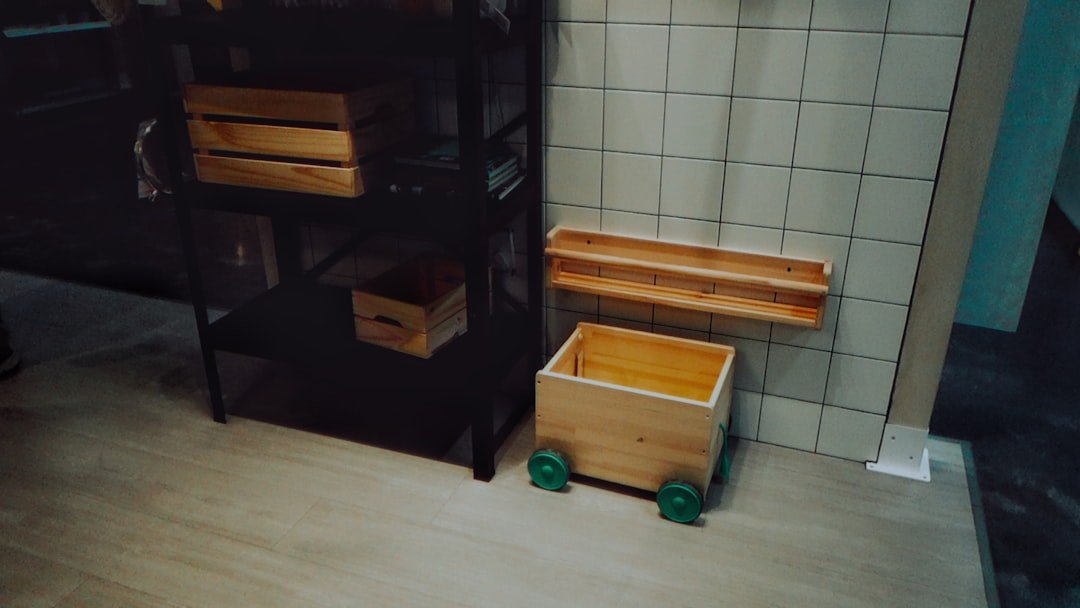
In an authentic Montessori classroom, materials are within the child’s reach, organised by areas: practical life, sensorial, language, mathematics and culture. The shelves are open. The child chooses their work, carries it out on a rug or table, and returns it when finished. This cycle of choosing, working and tidying is the heart of the method. If you visit a centre and the materials are out of the children’s reach or only used at specific times, something doesn’t add up.
True Language Immersion
Bilingualism isn’t achieved with an hour of English a day. At IMS Sotogrande, immersion is dual: Spanish and English coexist in the classroom from Nido (0-3 years), and French is introduced in Casa de Niños (3-6 years). This prepares children for a world where speaking multiple languages is a real advantage, not a decorative extra.
The Montessori Method in Early Years (0-6)
Early childhood (0-6 years) is the stage where the Montessori method has its most visible impact. Maria Montessori called it “the absorbent mind”: the young child learns from everything around them without conscious effort. The adult’s job is to prepare a rich and orderly environment, and then step back enough for the child to explore.
In practice, this translates to things like: a 14-month-old serving themselves water because the jug is at their height. A 3-year-old sweeping because the brush is their size. A 5-year-old working with the decimal materials for 40 minutes without interruption. They’re not prodigies. They’re normal children in an environment that trusts their capabilities.
Studies from AMI and research in educational neuroscience support that children who work in Montessori environments develop better concentration, problem-solving and empathy. It’s not magic. It’s intentional design.
What does early years education at IMS Sotogrande include?
At IMS Sotogrande, early years education encompasses two main programmes. Nido caters to children from 4 months to 3 years, with schedules that adapt to each family’s needs. Casa de Niños covers ages 3 to 6. Both share a common foundation: Spanish-English bilingual immersion, emotional intelligence, yoga and mindfulness, music education, art and creativity, and a balanced diet.
Additionally, the school organises parent workshops like “Acompañando-té” and “La familia en tribu” because Montessori education doesn’t stay within the classroom. We believe the family is part of the project, not an external spectator. Termly tutorials and weekly reports keep parents informed of every step.
Real Logistics: The Commute from La Duquesa
Let’s talk numbers. From La Duquesa to IMS Sotogrande is about 12 kilometres. By car, in normal traffic, the journey takes 10 to 15 minutes. Many families combine the school run with shopping at Sotomarket, where the school is located (right above Mercadona). This makes the commute fit effortlessly into the daily routine.
The “Raíces” programme schedule runs from 9:00 to 13:00 or 14:00, and the “Alas” programme extends until 15:00, with an option to stay until 17:00. This allows families from Duquesa to organise their day without rush. For updated fees, visit the IMS admissions page.
Frequently Asked Questions
Are there Montessori schools in La Duquesa or Sabinillas?
No. Currently, there is no AMI-accredited centre in La Duquesa or Sabinillas. The nearest accredited option is IMS Sotogrande, a 10-15 minute drive via the A-7. Some local centres may use elements of the method, but AMI accreditation guarantees that full standards are applied.
What is the minimum age for a child to enter the Montessori Nido?
At IMS Sotogrande, the Semillas programme caters to babies from 4 months, with hours from 9:00 to 12:00. The Raíces programme is available from the same age with hours from 9:00 to 13:00. Both programmes offer a safe, warm environment adapted to the needs of the baby and their family.
Is the commute from Duquesa to Sotogrande worth it?
Most families from Duquesa who visit IMS Sotogrande confirm the journey is shorter than expected. Ten or fifteen minutes on the motorway is a reasonable time if the school offers what you’re looking for: authentic Montessori method, real bilingualism, and an international setting. Many families integrate the trip with shopping at Sotomarket.
What makes a Montessori school different from a traditional one?
In a Montessori school, children work with concrete materials at their own pace. There isn’t a teacher at the front giving the same lesson to everyone. The guide observes, presents the material when the child is ready, and respects periods of concentration. This fosters autonomy, internal motivation and respect for others. Neuroscience confirms that children learn better when they choose their activity and work without interruptions.
Key Takeaways
While there isn’t a local Montessori early years option in Duquesa, IMS Sotogrande is a short and accessible drive away. With AMI and NEASC accreditation, trilingual immersion and a team of internationally trained guides, it offers a genuine alternative to the educational offer in Manilva and the Costa del Sol.
If you’re interested in learning more about the project, book a personalised visit and discover how a real Montessori classroom works. Seeing it in person changes your perspective.









