
International Montessori School: What to Look For | Expat Guide
In short
International Montessori School: The term international school is often used without substance to back it up. Many schools call themselves international just because they offer a subject in English or accept students from different countries. But a real international school goes far beyond that. It's not a marketing label but a philosophy that permeates every corner of the classroom.

- What defines a true international school?
- The Montessori approach in an international school
- Advantages of bilingualism in an international school
- Why choose an international school in Sotogrande?
- How to tell if an international school is authentic (accreditations)
- The role of families in an international Montessori school
- Frequently asked questions
- Key takeaways
What defines a true international school?
The term international school is often used without substance to back it up. Many schools call themselves international just because they offer a subject in English or accept students from different countries. But a real international school goes far beyond that. It’s not a marketing label but a philosophy that permeates every corner of the classroom. In this article we explore international Montessori school Sotogrande in depth with practical examples.
For example, bilingualism is not just a language class: it’s living in two languages from the moment a child steps on campus. At IMS Sotogrande , children move naturally between Spanish and English throughout the day. This builds a flexible brain, open to other cultures and prepared for a borderless world. From Casa de Niños, French is also introduced, offering a trilingual experience that few schools in the area can provide. When it comes to international Montessori school Sotogrande, it pays to listen to what families and lead guides actually report.
Another hallmark of a genuine international school is the teaching staff. It’s not enough to have a native speaker. You need guides trained in the pedagogy you practice, and for Montessori, that means AMI certification. Our team combines international qualifications with deep knowledge of child development. Every adult in the classroom is an observer who prepares the environment so the child can build themselves, rather than lecturing. Daily practice with international Montessori school Sotogrande reveals nuances no handbook fully captures.

The Montessori approach in an international school
When an international school adopts Montessori, the blend is powerful. Montessori is inherently international: born in Italy, spread worldwide, and based on universal principles of human development. It doesn’t rely on rigid curricula or standardized tests. Instead, it respects developmental planes and offers freedom within limits.
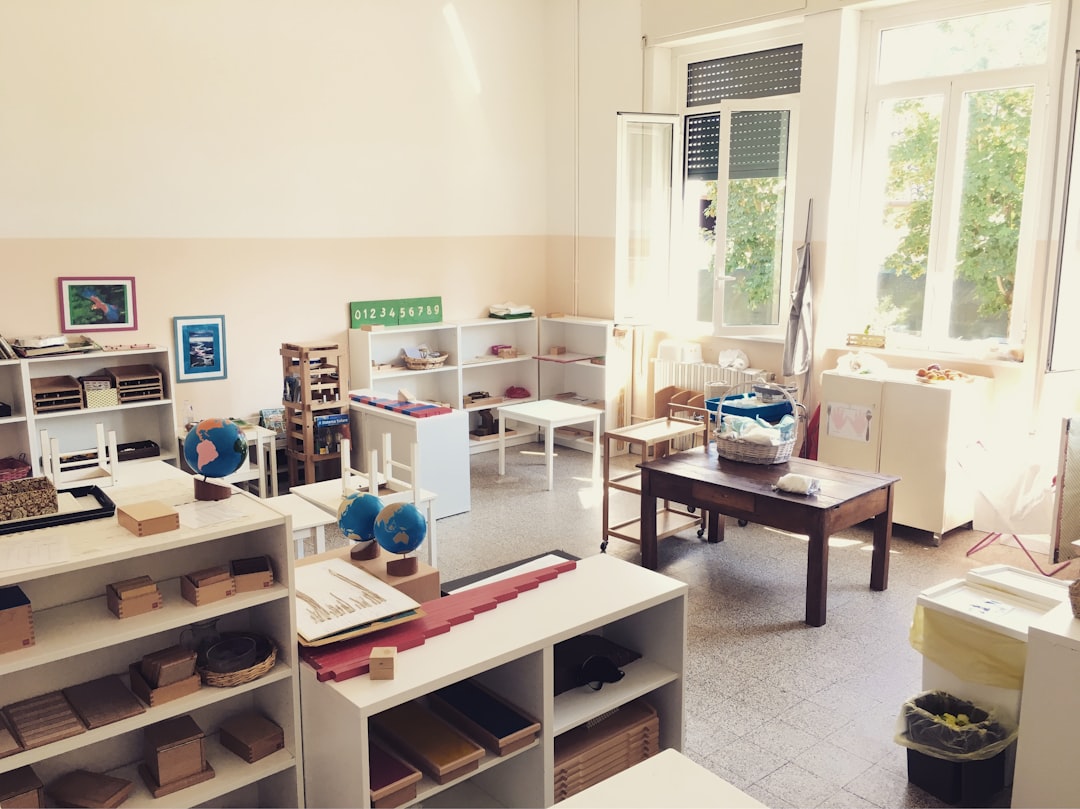
In a Montessori environment, the child chooses their work, manipulates scientifically designed materials, and progresses at their own pace. This fits perfectly with a global mindset: there is no single path to learning. An international school with Montessori, like IMS Sotogrande, raises independent children who solve problems, collaborate, and communicate effortlessly in multiple languages. They don’t memorize. They understand. And that shows when they travel, change countries, or face new challenges.
Moreover, assessment is continuous and qualitative. Forget report cards that only rank. Here, weekly and termly reports describe the child’s real progress, interests, and challenges. Parents are active participants in the educational community, with regular tutorials and a daily communication platform. Book a personalized visit to the school at our admissions page and see for yourself what the atmosphere feels like.
Advantages of bilingualism in an international school
The bilingual brain is more attentive, more empathetic, and better at solving complex problems. Add a third language, and the effect multiplies. In an international school that follows Montessori, language learning is natural and effortless. There are no repetitive worksheets or isolated grammar lessons. Every moment of the day is an opportunity to communicate.
At IMS Sotogrande, the bilingual program is thoughtfully integrated. Children hear and speak Spanish and English from the Nest. Guides address them in both languages according to each child’s needs. As they grow, French is added as an additional language. This approach prepares them not just for official exams but for life. Many expatriate families choose us precisely for this: their children maintain their mother tongue, acquire Spanish from the environment, and enrich themselves with global English.
A study from Georgetown University showed that bilingual children have higher gray matter density in areas related to executive control. No surprise: managing two language systems from a young age strengthens attention and mental flexibility. So a serious international school doesn’t just promise languages, it ensures superior cognitive development.
Why choose an international school in Sotogrande?
Sotogrande has become a magnet for international families seeking quality of life and top-tier education. Strategically located near Gibraltar, Marbella, and Algeciras, many families wonder if the daily commute is worth it. The answer, after years of seeing happy families, is a resounding yes, it’s worth every minute in the car.
An international school in Sotogrande like IMS offers a safe environment, surrounded by nature, with facilities designed to spark curiosity. It’s not an overcrowded school or a generic franchise. Here, your child is not a number. Classrooms are bright, materials are carefully maintained, and ratios allow for real individual attention. Plus, specialist teachers in music, physical education, and yoga enrich the day without losing the Montessori essence.
For families coming from Gibraltar, La Línea, or Algeciras, the drive on the A-7 takes just 15 to 25 minutes. Many parents organize carpooling, and children arrive happy to a place where they are deeply respected. This is not a typical school. It’s a second home where they build their personality. That’s why more and more families from the Costa del Sol choose IMS despite having other options closer to home. The difference lies in the pedagogy and community.
How to tell if an international school is authentic (accreditations)
The term international school can be a mixed bag. To avoid pitfalls, always check accreditations. A serious school proudly and transparently displays its credentials. IMS Sotogrande holds certification from the Association Montessori Internationale (AMI), guaranteeing fidelity to Maria Montessori’s original method. We are the only school in the area with this distinction.
We are also accredited by NEASC (New England Association of Schools & Colleges), a US quality seal that audits educational standards, student well-being, and teaching practices. At the national level, we are approved by the Junta de Andalucía. This triple validation is rare and proves that behind the “international school” label there is rigorous continuous improvement.
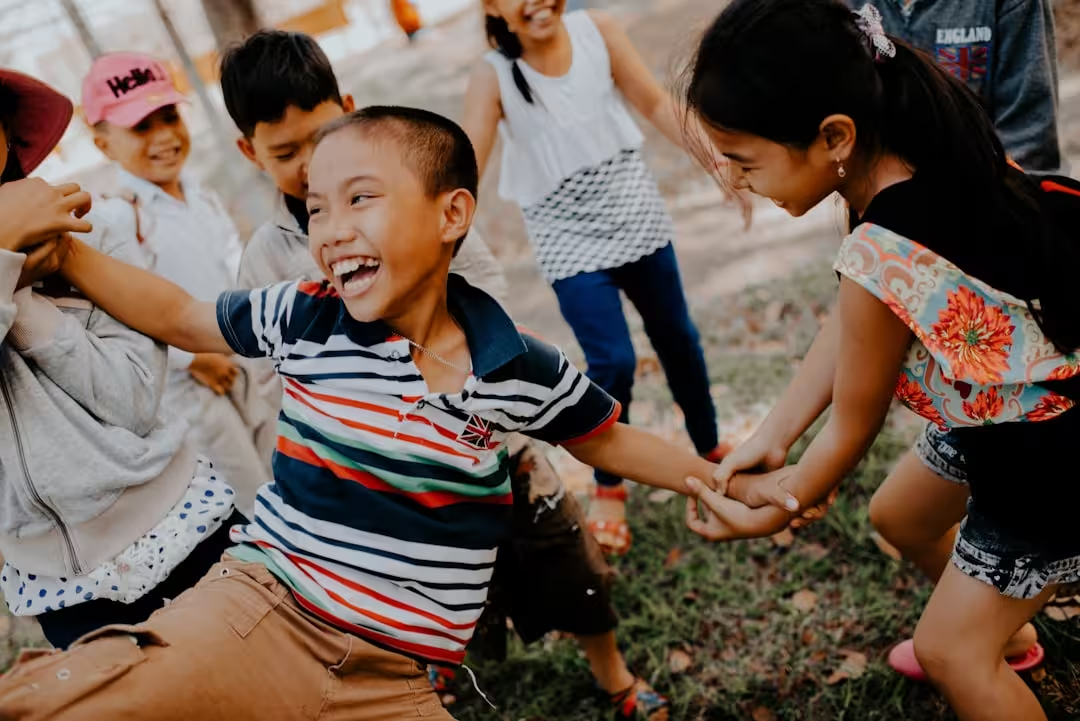
Another key indicator is the student body’s origin. If 90% of children are local and English is only spoken in one class, that’s not international. At IMS, families from over fifteen nationalities coexist. The playground is a melting pot of cultures. We celebrate diversity and integrate it daily. Children grow up knowing there are many ways to see the world, and that’s exactly what an international school should offer.
The role of families in an international Montessori school
In Montessori, we don’t just educate the child. We educate the whole community. That’s why an international school serious about this philosophy actively involves parents. At IMS, we organize workshops, talks, and gatherings like “Accompani-tea” or “Family as a Tribe,” where families learn tools to extend the prepared environment into their homes.
This involvement is crucial because consistency between home and school boosts outcomes. The child feels safe when adults speak the same language, literally and figuratively. We also have a private Facebook group and the Growappy platform, which allows real-time updates on each child’s day. It’s not about over-informing but building trust.
An international school is not an isolated bubble. We collaborate with the environment through monthly outings (Learning Walks) and open doors to parent volunteers. This way, children see that learning extends beyond the classroom. Education becomes a shared project that strengthens bonds and enriches everyone’s experience.
Frequently asked questions
Is an international school worth it if we don’t plan to move abroad?
Yes, because what it provides is not just a language. It’s an open mindset, adaptability, and social skills that serve them wherever they live. Many of our students have no expat plans, but their families value the holistic education they receive.
How do you handle a child who arrives without knowing Spanish or English?
Immersion is gentle and respectful. The Montessori environment is full of concrete materials that don’t depend on language. The child integrates by observing, manipulating, and receiving warmth from guides, who initially speak in their mother tongue and gradually introduce the new language.
Is it true that Montessori has no exams? How do you know they are learning?
Assessment is continuous. Guides observe each child daily and record their progress in all areas. They don’t need a test to know if a child can read or add. Often, the child demonstrates mastery by teaching a younger peer.
What’s the difference between an international Montessori school and a conventional bilingual school?
In a conventional school, the curriculum is the same for everyone, and English is usually just another subject. In Montessori, bilingualism is experiential: children use both languages to communicate, work, and resolve conflicts. Additionally, respect for individual pace avoids comparisons and competition.
Key takeaways
An international school that embraces Montessori is much more than a multilingual center. It’s a community that prepares for life, respects the child’s uniqueness, and commits to education without a mold. The combination of bilingualism, prestigious accreditations, and a proven pedagogy over a hundred years makes IMS Sotogrande a solid choice for discerning families in the Campo de Gibraltar and beyond.
Your child doesn’t need a school that tells them what to think. They need a place where they feel heard, valued, and safe to develop their full potential. And that’s exactly what we offer every day at our international Montessori school. If you’d like to see it for yourself, we invite you to book a no-obligation appointment at admissions, the first step toward transforming your child’s education.









