
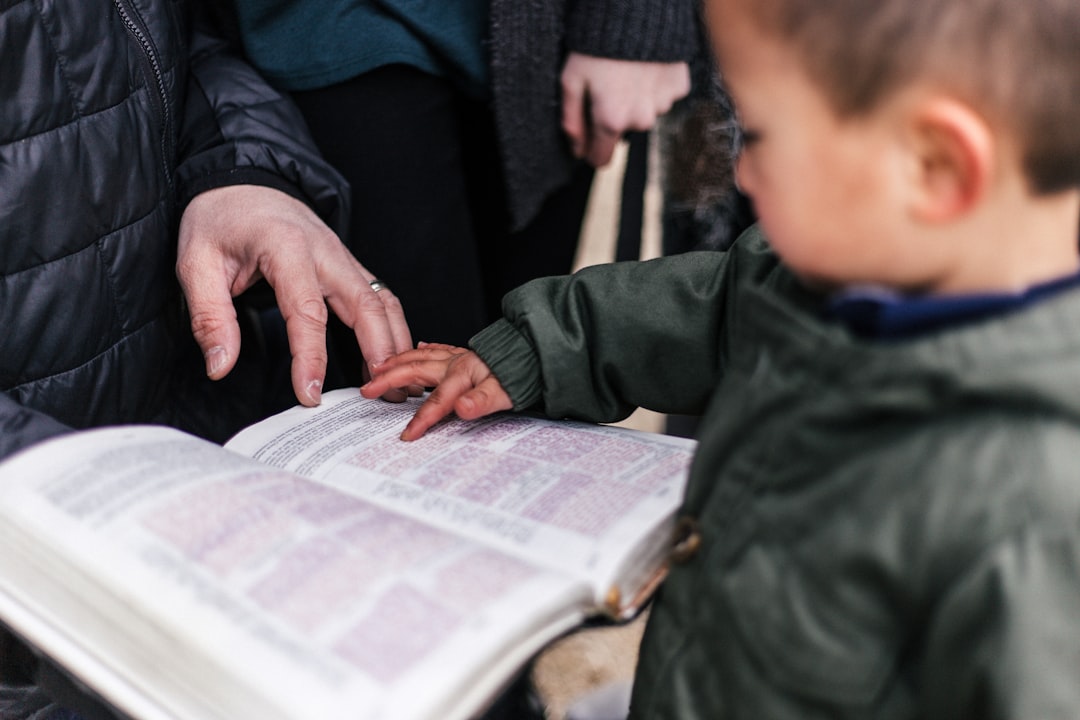
How to teach a child to read: A gentle Montessori guide for families in Sotogrande
In short
Teaching a child to read is one of the most exciting (and sometimes daunting) milestones for families. When does it start? Do we wait until primary school? What if my child shows no interest at age four? The good news is that reading isn’t a race.

Teaching a child to read is one of the most exciting (and sometimes daunting) milestones for families. When does it start? Do we wait until primary school? What if my child shows no interest at age four? The good news is that reading isn’t a race. Every child has their own pace, and when the environment supports without pushing, learning flows in surprising ways. In this article we explore how to teach a child to read in depth with practical examples.
Key takeaways When it comes to how to teach a child to read, it pays to listen to what families and lead guides actually report.
- Most children are ready for reading between ages 4 and 7, but there’s no fixed age.
- The Montessori method introduces reading through touch and hearing before sight.
- Playing with sounds, textured letters, and shared stories builds a solid foundation without pressure.
- Forcing reading too early can create resistance. Natural motivation is the best ally.
- At IMS, we support this process from the Nido level with sensorial materials and in the Children’s House with sandpaper letters.
How to teach a child to read: When is a child ready to learn?
There’s no universal age. Some children decipher words at four. Others don’t show interest until six or seven. What matters isn’t the number, but the child’s maturity. When they start distinguishing sounds, asking what signs say, or making up stories with books, they’re showing clear signs of readiness. Daily practice with how to teach a child to read reveals nuances no handbook fully captures.
The Spanish Montessori Association notes that the sensitivity for language intensifies between ages 3 and 6. This window isn’t an obligation, but an opportunity. If your four-year-old prefers building towers, that’s fine. Play is also learning.

How to teach a child to read: A step-by-step Montessori approach
In the Montessori method, reading doesn’t start by memorizing the alphabet. It starts by listening. Maria Montessori observed that children first learn the sounds of letters and then their names. It makes sense: to read “mama,” you need to know that “m” sounds like /mmm/, not that it’s called “em.”
Step 1: Play with sounds
Games like “What starts with /s/?” or silly rhymes help the ear discriminate phonemes. Singing songs, repeating simple tongue twisters, and naming everyday objects are activities that reinforce phonological awareness without the child feeling like they’re “studying.”
Step 2: Introduce letters through the senses
Sandpaper letters are one of the most well-known materials in a Montessori classroom. They’re tablets with the letter cut from sandpaper. The child touches it with their fingers while the guide says the sound. This connects touch, sight, and hearing. You can do something similar at home with fine sandpaper, playdough, or even by tracing letters in sand.
In our Children’s House at IMS, children work with this material daily. It’s not a mandatory task. It’s an activity they choose because it attracts them.
Step 3: Combine sounds into words
When the child knows several letters, they start joining them. “M-a… ma!” Here, the moveable alphabet (wooden or cardboard movable letters) allows composing words without the difficulty of writing yet. It’s a game: forming and unforming, trying combinations.
Step 4: Read real words
The magic moment arrives when the child deciphers a word for the first time. “Mum, it says bread!” From there, confidence grows. They move from isolated words to short sentences and, gradually, to small books with controlled text.

Common mistakes when teaching a child to read
The most frequent is starting too early due to environmental pressure. A three-year-old who shows no interest isn’t delayed. They have other developmental priorities: moving, exploring, talking.
Another common mistake is confusing speed with comprehension. A child who deciphers words quickly doesn’t always understand what they read. Comprehension is worked on by talking about stories: “What do you think happens next?”, “How does the character feel?”.
It’s also advisable to avoid comparisons between siblings or with classmates. Each child has their own path. Pressure generates anxiety, and anxiety blocks learning.

The role of stories before reading
Reading aloud to a child from infancy is the best investment for them to one day read on their own. Stories expand vocabulary, teach narrative structure, and create an emotional bond with books. The child doesn’t need to understand every word. What matters is the shared ritual: your voice, the pictures, the questions.
The American Academy of Pediatrics recommends reading together from birth. Not as homework, but as a daily gesture. Ten minutes before bed is enough to build a future reader.
If you want to see how we integrate stories and reading into the daily life of our classrooms, book a personalized school visit.
Montessori materials for reading at home
You don’t need to buy an entire classroom. Some simple resources make a difference:
- Sandpaper letters : you can make them with cardboard and fine sandpaper.
- Moveable alphabet : wooden or magnetic letters to compose words.
- Books with repetitive text : books where short phrases are repeated (“Brown Bear, Brown Bear, what do you see?”).
- Object cards : an image with its name written below. The child relates the image to the word.
The essential thing is that the child can touch, manipulate, and choose. Forced reading in a chair doesn’t work. Reading as play, does.
Frequently asked questions
At what age should a child know how to read?
There’s no mandatory age. Most children learn to read between ages 5 and 7, but some do it earlier and others later. What’s relevant is that the child shows interest and has developed phonological awareness. Forcing before that maturity can create resistance.
Is it better to teach reading with the global or syllabic method?
The Montessori method combines the best of both approaches. It starts from the phoneme (the sound of each letter), but also presents whole words so the child sees the meaning of what they read. The key isn’t the method, but that the child understands what they decipher.
What do I do if my child doesn’t want to read?
Don’t force. Offer without demanding. Leave books within their reach, read in front of them, tell oral stories. If the child is over six and shows intense resistance, it may be helpful to consult a specialist to rule out difficulties like dyslexia. In the IMS Rainbow classroom, we have diversity support professionals who can guide families.
Can I teach reading in two languages at the same time?
Yes. Bilingual children learn to read in both languages without confusion if they receive balanced exposure. At IMS, children are immersed in Spanish and English from Nido, so reading emerges naturally in both languages. French is introduced later in the Children’s House.
Key conclusions
Teaching a child to read doesn’t require complicated methods or rushing. With sound games, manipulative materials, and many shared stories, reading arrives when the child is ready. The important thing is to accompany, not push.
If you want to see how we experience reading in a Montessori classroom, we invite you to visit us in Sotogrande. Book your appointment on the IMS admissions page and discover a space where each child learns to read at their own pace.









