
Crafts for 10-Year-Olds: Montessori Ideas to Make at Home

The search crafts for 10-year-olds brings together ideas for making projects with children aged 10. These activities can develop planning, concentration and independence without turning the afternoon into a teacher-led lesson.
- In brief
- What “crafts for 10-year-olds” means for a bilingual family
- When the search leads to the anniversary of Germany’s constitutional court
- Why Germany’s Federal Ministry for the Environment appears
- How to organise crafts for 10-year-olds without doing the work for your child
- Crafts for 10-year-olds with a purpose
- Creative activities that build independence
- Children’s art projects and the prepared environment
- Frequently asked questions
In brief
- At age 10, projects with a visible challenge and a useful result work best.
- Prepare a few materials, demonstrate one step and let the child make decisions.
- A 25- to 30-minute session is enough if it includes choosing, creating and tidying up.
- Results about German institutions belong to a different search intent and do not replace craft ideas.

What “crafts for 10-year-olds” means for a bilingual family
The original German phrase describes craft activities for 10-year-old children. For a family that speaks German at home and lives in Sotogrande, it may appear in searches for screen-free ideas, weekend projects or activities to share with siblings.
The aim is not to produce a perfect craft. A suitable activity allows the child to measure, compare, test, make mistakes and change strategy. In the 6 - 12 Workshop stage, the ability to organise the work matters just as much as the finished object.

When the search leads to the anniversary of Germany’s constitutional court
This mix-up also creates an opportunity for media education. At age 10, you can ask your child to look at the title, identify the country and explain what problem each page is trying to solve. Then return to the original question: what do we want to build and how much time do we have?

Why Germany’s Federal Ministry for the Environment appears
The family connection lies in using materials responsibly. You can use the coincidence as an opportunity to create with cardboard, paper tubes or clean scraps, but do not present the activity as an official ministry project. The child learns to distinguish between a source, an idea and a personal association.
How to organise crafts for 10-year-olds without doing the work for your child
The best response to crafts for 10-year-olds starts with a prepared environment, not a table covered with materials. Set out a tray, limit the choices and leave a simple but incomplete example in view. This gives the child a starting point while preserving room to decide.
| Project | Materials | Time | Child’s challenge |
|---|---|---|---|
| Desk organiser | 1 box, 3 tubes and paper | 30 minutes | Measure and decorate |
| Paper bridge | 10 sheets and tape | 25 minutes | Support 10 blocks |
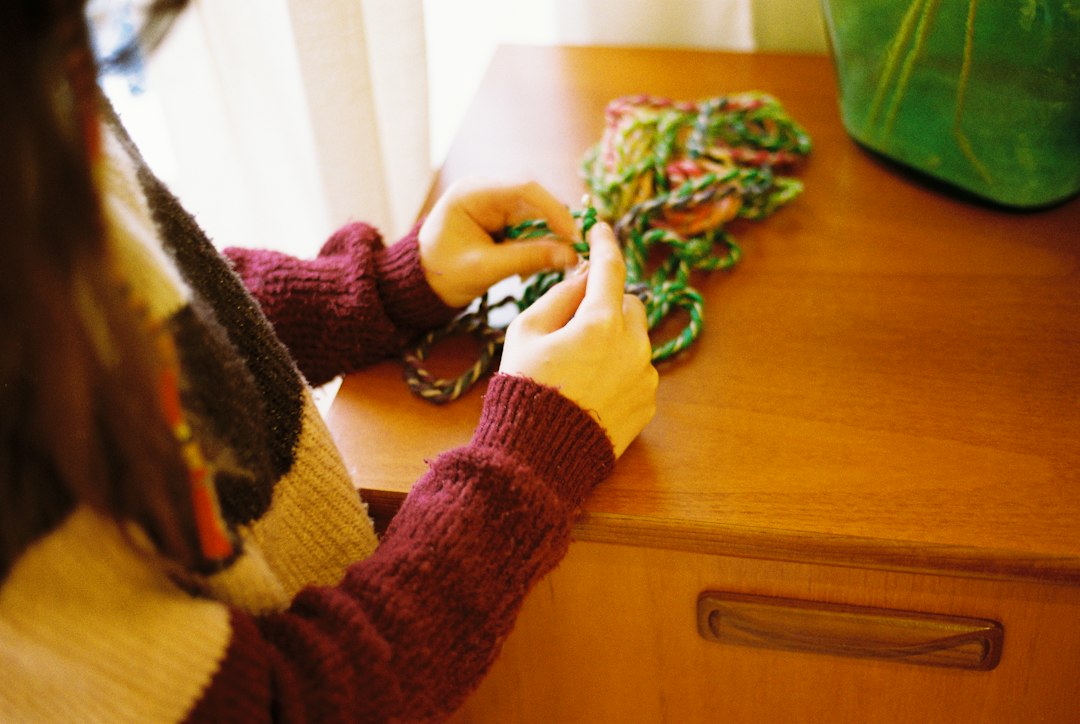
| Woven bookmark | Cardboard and 30 cm of wool | 20 minutes | Follow a pattern of their own |
| Map of an imaginary place | Cardboard, pencil and colours | 35 minutes | Create symbols and a key |
A 30-minute craft session for a 10-year-old
During a craft session for a 10-year-old , a child can make an organiser from a cereal box, three paper tubes and one decorative sheet of paper. Allow five minutes to choose, twenty minutes to build and five minutes to test whether each compartment works as intended.
Your role is to observe and offer a brief question, such as which part needs more stability. Do not correct every cut. If the result is not straight, discussing how to improve it is more valuable than remaking it yourself.
Crafts for 10-year-olds with a purpose
Crafts for 10-year-olds become more engaging when they solve a practical need. A pencil holder, a card for a family member or a box for storing small pieces gives the child a function they can test.
At home, prepare a tray with one project and a measured selection of materials. Instead of handing over ten colours, offer four and ask which one communicates the idea best. Crafts for 10-year-olds should leave room for choice while offering a manageable level of difficulty.
For example, a 10-year-old girl can spend 30 minutes designing a pop-up card for her grandmother’s birthday. She needs one sheet of card, two sheets of coloured paper, glue and four decorative elements. The adult demonstrates how to make one fold and lets her decide on the message, structure and finish.
Creative activities that build independence
The most valuable creative activities do not depend on the adult having artistic talent. They depend on the child being able to begin the work, keep the space orderly and assess their own result.
Creative activities can include making a model room, a small cardboard loom or an experiment with paper shapes. Choose one activity and agree on a short time limit. When finished, ask the child to name one decision they would keep and another they would change.
A common mistake is stepping in too soon because the adult can see a faster solution. This fails because the child stops investigating and starts waiting for instructions. The solution is to wait three minutes, observe silently and ask what they have already tried before offering help.
Children’s art projects and the prepared environment
Children’s art projects need accessible materials, a clear work surface and a fixed place for tidying up. This preparation reduces arguments and allows the child to return to the activity another day without depending on an adult.
Children’s art projects can also incorporate practical life. Measuring, cutting, cleaning a paintbrush or sorting buttons requires coordination and care. The Association Montessori Internationale presents independence and the prepared environment as central elements of Montessori practice.
If the activity includes screens to find a tutorial, decide beforehand which part you want the child to do with their hands. The American Academy of Pediatrics offers resources to help families assess media use according to age, context and shared activity.
Frequently asked questions
What crafts can a 10-year-old do?
At age 10, crafts work best when they present a visible challenge, allow material choices and result in a useful object, such as an organiser, a simple model, a bookmark or a pop-up card. The child can plan, review and explain their decisions without the adult doing the work. Start with one activity and a few materials.
How do you keep a 10-year-old entertained without screens?
To keep a 10-year-old entertained without screens, prepare a craft activity with a specific goal, a time limit and freedom to modify the design, such as building a paper bridge that supports ten blocks or creating an imaginary map with original symbols. Adult participation should focus on observing rather than directing every step.
What materials does a child need for crafts?
A child needs only a few materials for crafts: cardboard, paper, a pencil, colours, age-appropriate scissors, glue, tape and some clean reusable items such as tubes or boxes. More materials do not improve the project. A tray with limited options makes it easier for the child to choose, work neatly and tidy up independently.
How do you apply Montessori to crafts at home?
Applying Montessori to crafts at home means preparing the space, demonstrating how to use a material with slow movements, allowing the child to choose and letting them repeat or change their idea. The adult steps in only when safety or specific guidance is needed. Afterwards, the child helps clean up and reviews their work.
Choose one project from the table, prepare a tray this week and observe which part your child wants to repeat. If you would like to learn how this independence is supported in a Montessori 6 - 12 Workshop environment, book a personalised school visit.









