
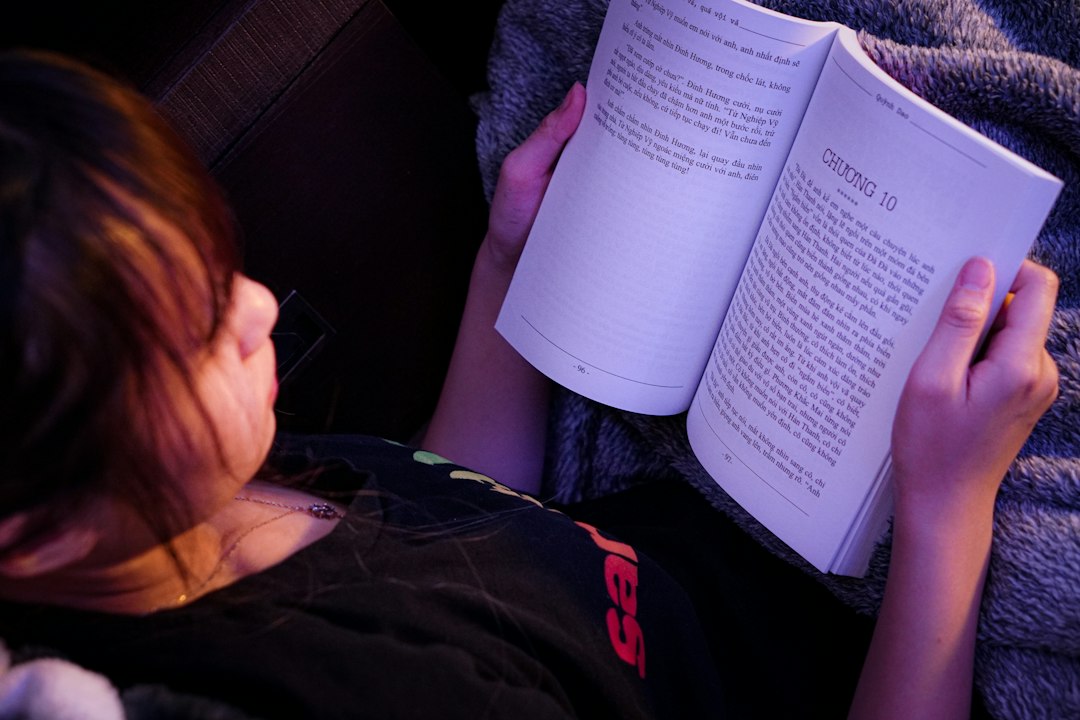
Bedtime stories in 5 minutes: 7 short sleep stories + how to tell them

Short bedtime stories are two- to five-minute tales with a single scene and a gentle ending, read or told aloud as the close of the night routine. They cut the length, not the warmth, and that’s exactly why they solve the 9 p.m. battle on days that have already run long. They’re designed for kids aged 2 to 7, though they work as short bedtime stories for older siblings listening from the pillow next door.
In summary
- A 5-minute bedtime story has one scene, a maximum of three characters, and an ending with no surprises.
- Telling the same story every night for a week builds more security than switching it up each night.
- A flat, monotonous voice tone helps more than any content trick.
- If your 4-year-old is still talking 20 minutes later, the problem is the routine before the story, not the story.

Short stories that get them into bed without a fight
A short story works when it carries the child from being awake to falling asleep. For that to happen, the story has to slow the pace down instead of speeding it up. Start with a tired character, not an adventure that’s just getting going. That way the tale pushes in the same direction you do.
The structure of a five-minute story
Always use the same three-move formula. First, someone arrives home or sits down: the rabbit opens the door to its burrow. Next, it does a small, familiar task: washes its ears, drinks water, turns off the light. Finally, it lies down and closes its eyes. Three moves, one scene, no twists.
Imagine your 3-year-old has been tossing for 20 minutes and you’ve got five. You tell them about a small cloud looking for a place to rest. It drifts over the sea, brushes past a pine tree, and finally settles on a hill. Three minutes in, the heart rate has dropped. The cloud does nothing interesting, and that’s exactly the point.
A three-sentence script for improvising
If you don’t have a book on hand, use this outline: “Someone is very tired. They go to their favorite place in the world. They pull up the covers and fall asleep.” Fill in the details with whatever happened that day at home or at school. A 6-year-old sees themselves in a protagonist who “forgot to put on pajamas and got a little grumpy,” and once they recognise themselves, they relax.

Short children’s bedtime stories and audiobooks that help
Short children’s bedtime stories, read in a familiar voice, work better than most audiobooks. A mother’s or father’s voice is a signal of security no professional recording can replace. Audiobooks earn their place as a complement in specific moments: car journeys, afternoons of extreme tiredness, or when the other parent is doing the reading.
When audio makes sense
Audio wins when the child already has the ritual internalised and just needs company in sound. Choose pieces with minimal music, no sound effects, and slow narration. Nothing with an epic soundtrack, because that format wakes them up. If the child is ill or anxious, the familiar voice is the better option again.
Reading in a second language
If your family speaks two languages at home, or your child is learning a new language at school, the bedtime story can be in that language too. Pick a story they already know in their main language: because they know what happens next, they don’t have to work to understand and can settle into the sound of your voice. Read it slowly, without translating line by line, and in your usual tone. If they perk up or ask what every word means, save that book for the afternoon and go back to the usual story at night.

Seven short stories that actually work
1. The lamp that learned to turn its voice down
A streetlamp switched on at night watches the stars go out one by one. It dims its light a little more each time, until only a tiny yellow dot remains. It goes off, and the night breathes quietly.
2. The sock looking for its brother
A sock slips out of the drawer, looks behind the chair and under the bed, and finally finds its brother folded in the washing machine. The two return to the drawer together. The end.
3. The cloud that sits on the hill
A small cloud flies over the sea, brushes past a pine tree, and sits down on a hill. It waits. That’s it. This is the story from the example above, ideal for the more restless days.
4. The snail and its house
A snail walks very slowly, feels a little rain, and slips into its house. It closes the door. It hears the rain from inside. It falls asleep listening to it.
5. The two apples on the tree
A ripe apple watches its sister let go of the branch and fall into the grass. It knows tomorrow will be its turn. Today it just watches the moon and stays still.
6. The nine o’clock train
A small train leaves the station with three carriages. It passes through a tunnel, over a bridge, and across a field. At the last station, all the passengers get off. The driver turns out the light.
7. The mug that stays warm
A mug of milk stays on the nightstand while the house gradually goes quiet. First the kitchen, then the hallway, and finally the bedroom. The mug stays warm, and everything fades out.
How to choose by age
For the youngest ones, who are in the peak language-absorption stage between ages 2 and 4, exact repetition and very short sentences work best. A 6-year-old in the Taller classroom is already looking for a small problem that gets solved: “the sock can’t find its brother.” Between 8 and 12, the story can be more elaborate, but the calm ending is still the house rule. For more ideas by age, see our guide to short bedtime stories.
The classic mistake and how to fix it
Imagine picking a new story every night, with more characters and more adventure, so your child stays interested. It works for two nights, and on the third they’re asking for “one more” until half past ten. That’s the most common error: confusing interest with calm.
The fix is simple. Set a repertoire of three stories and repeat one for a full week. Repetition bores the adult, but it gives the child security and speeds up the drift into sleep. Once the ritual is firm, swap out one of the three. Fixing it takes no longer than reading a story, and it saves weeks of negotiation.
Night routine checklist
Before you open the book, check the following. If any point is missing, the story will work against you.
- Same start time for the past seven days.
- Pajamas on and teeth brushed before the story, never after.
- Low lights throughout the house, not just in the bedroom.
- Story chosen from three fixed options.
- Phone out of arm’s reach for the full five minutes.
- Final line always the same: “see you tomorrow.”
Frequently asked questions
How long should a bedtime story be?
Two to five minutes is enough if the rest of the routine is already done: pajamas, teeth and low lights. If it runs past ten minutes, the story tends to spark more interest than you want at that hour. Trim descriptions before you trim minutes.
Is it better to tell it from memory or read from a book?
Telling it from memory creates more intimacy and lets you adapt the story to the day’s events, while a book brings vocabulary and imagery. Both options work as long as the voice is calm and the ending is always gentle. Alternate without guilt.
What do I do if my child asks for one more story every night?
Agree in advance how many stories there will be and announce it at dinner: “tonight it’s one.” Hold the decision without negotiating, with a kind but firm tone. If they insist or a tantrum starts, don’t add a consolation story, because tomorrow they will push even harder.
Can I use audiobooks instead of telling them myself?
Yes, as an occasional backup when you’re ill, travelling, or completely exhausted. The familiar voice remains the most powerful signal of security for falling asleep. Save audio for specific occasions and go back to telling the story yourself as soon as you can.
If your night routine needs a push, start this week with a single story and the checklist above. At school, from Nido to Taller (ages 6 to 12), we work with that same respect for each child’s rhythm. When you’d like to see it in person, book a personalised visit to the school.









