
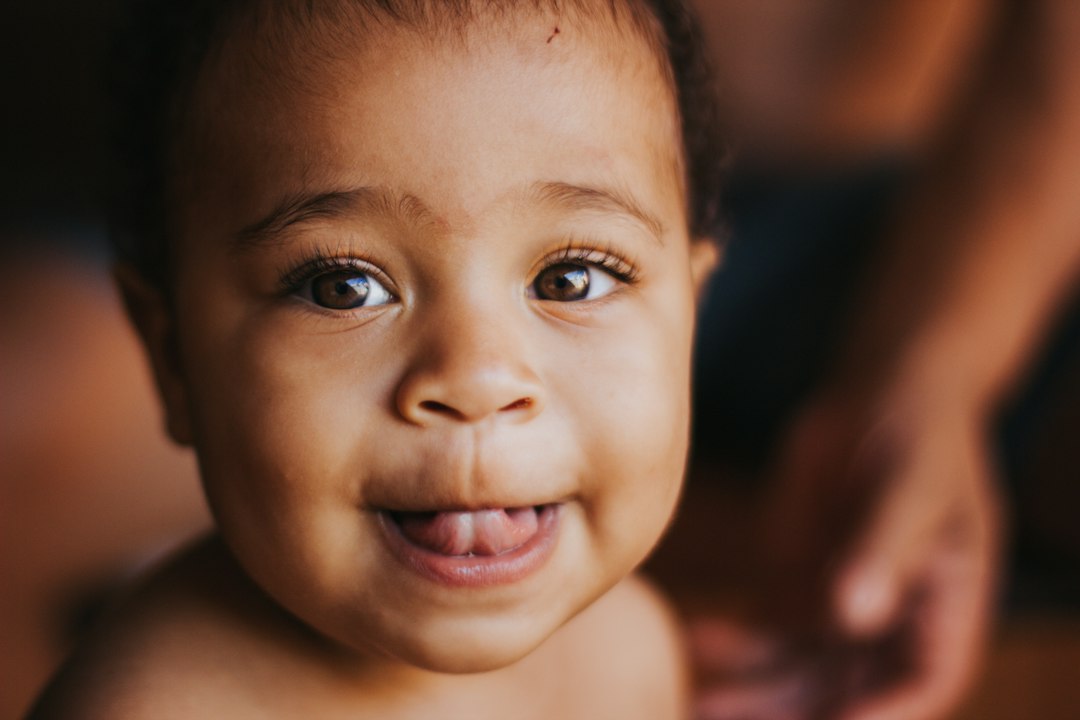
Baby Teething Timeline: A Practical Guide for Families

The search “baby teething timeline” reflects a common question during the first year. Baby teeth usually begin with the lower central incisors, between 6 and 10 months. The upper incisors, lateral incisors, molars, canine teeth and second molars follow. Primary dentition consists of 20 baby teeth, but every child follows their own developmental timeline.
- Key points
- What is the baby teething timeline? (baby teething timeline)
- What are the signs that a baby is teething?
- Which teeth do babies get first?
- Which baby teeth hurt the most when they come in?
- Baby teeth eruption order (baby teething timeline)
- Baby teeth eruption order: photos
- How to care for your baby's teeth at home
- Frequently asked questions
- Key takeaways
Key points
- The lower central incisors are usually a baby’s first teeth.
- Teething can begin before or after 6 months without indicating a problem.
- Molars and canine teeth often cause more discomfort because they put greater pressure on the gums.
- A high fever, lethargy or severe diarrhoea requires medical assessment.

What is the baby teething timeline? (baby teething timeline)
The baby teething timeline usually follows a fairly consistent sequence, although it is not an exact calendar. The lower central incisors generally appear first. They are followed by the upper central incisors, lateral incisors, first molars, canine teeth and second molars.
Age also varies from baby to baby. Some babies start teething at 4 months, while others reach their first birthday without visible teeth. Focus on overall development rather than comparing every date with another child. If a tooth appears outside the usual sequence, it normally does not mean there is a problem.

What are the signs that a baby is teething?
The most common signs include drooling, wanting to chew, sensitive gums and increased irritability. Sleep and appetite may also change for a few days. Babies often put their hands or objects in their mouths to relieve the pressure.
However, do not attribute every symptom to teething. A high fever, vomiting, persistent diarrhoea, skin rashes or marked lethargy require a paediatric consultation. The American Academy of Pediatrics offers general guidance for families on children’s health.
At home, offer a cool teething ring, but do not freeze it. You can also gently massage the gums with a clean finger. Avoid amber necklaces, small objects and homemade products containing alcohol or anaesthetics unless recommended by a healthcare professional.

Which teeth do babies get first?
The first teeth are usually the two lower central incisors. They generally appear between 6 and 10 months, although a baby may teethe earlier or later. The upper central incisors usually follow, helping to cut soft foods and gradually changing the child’s smile.
If you are searching for information about baby teeth at 4 months, remember that this age falls within the range of possible variation. Drooling alone does not confirm that a tooth is about to appear. A specific area of gum that is tender and swollen is a clearer clue.
If you are considering an environment for your child aged 0 to 3, you can Book a personalised school visit and discover the IMS Montessori Nido in Sotogrande.
Which baby teeth hurt the most when they come in?
Molars often cause more discomfort than incisors because they have a broader surface. Canine teeth can also be uncomfortable. Even so, every baby experiences teething differently.
The first molars usually appear between 13 and 19 months. Canine teeth follow, approximately between 16 and 23 months. This is why symptoms of baby canine teething may include more chewing, irritability and night waking.
To ease your baby’s teething discomfort, prioritise comfort, hydration and foods that are suitable for their stage. Do not give medication on your own initiative. If pain prevents your baby from sleeping, eating or drinking, ask the paediatrician which option is safe.
Baby teeth eruption order (baby teething timeline)
This table turns the baby teething timeline into a simple reference. The ages are approximate and show when eruption usually begins. A tooth appearing several months earlier or later may still be normal.
Baby teething timeline by age
| Tooth group | Approximate age | What you may notice |
|---|---|---|
| Lower central incisors | 6-10 months | Two teeth at the front of the lower gum |
| Upper central incisors | 8-12 months | Two front teeth on the upper gum |
| Lateral incisors | 9-16 months | The teeth next to the central incisors |
| First molars | 13-19 months | Wider back teeth |
| Canine teeth | 16-23 months | Teeth between the incisors and molars |
| Second molars | 23-33 months | The final teeth in the primary dentition |
The order in which teeth appear does not determine intelligence, future health or a child’s maturity. Nor can it predict when permanent teeth will erupt. Primary teeth prepare the mouth for chewing and speaking and help maintain space for permanent teeth.
Baby teeth eruption order: photos
Photos of baby teeth can help you identify each group of teeth, but an image cannot replace individual observation. In an early image, you will see the lower incisors. The upper incisors appear next, followed later by the back teeth.
When checking the baby teething timeline in a photo, look at three things: the gum area, symmetry on both sides and changes over several weeks. Do not press on the gums to speed up eruption. Slight, localised swelling commonly accompanies the arrival of baby teeth.
The eruption order for permanent teeth is different. The first permanent molars usually appear at around 6 years, along with the lower central incisors. For this reason, the primary-teeth sequence should not be used to predict the entire future set of teeth.
How to care for your baby’s teeth at home
Baby teeth need a simple care routine from the first tooth. Clean the tooth and gums with a children’s toothbrush with soft bristles. When your child can spit, introduce the routine gradually and consistently.
In a Montessori environment, personal care is presented as an opportunity for independence. You can place the toothbrush within reach, demonstrate the movement and let your child participate. An adult then completes the cleaning. The Association Montessori Internationale explains the principles of independence and care of the environment that inspire this type of support.
The most common mistake is waiting until all the teeth have come through before starting oral hygiene. The solution is to begin with the first tooth and ask a professional for advice about the right toothbrush and toothpaste for your child’s age. An early first dental check-up can also answer questions before pain develops.
Frequently asked questions
What is the baby teething timeline? (baby teething timeline)
Baby teeth usually begin with the lower central incisors between 6 and 10 months, followed by the upper central incisors and then the lateral incisors, first molars, canine teeth and second molars, although ages and timing vary between children. The sequence is a guide, not a strict rule.
What are the signs that a baby is teething?
The most common signs of teething include sensitive or swollen gums, an increased need to chew, drooling, irritability and changes in sleep or feeding. However, a high fever, severe diarrhoea and lethargy should not automatically be blamed on teething. If they occur, contact your paediatrician.
Which teeth do babies get first?
A baby’s first teeth are usually the two lower central incisors, which appear at approximately 6 to 10 months, followed by the upper central incisors. Even so, a healthy baby may teethe earlier or later without this indicating a problem. Having no teeth at 4 months is generally within the normal range of variation.
Which baby teeth hurt the most when they come in?
The teeth most likely to cause discomfort are the molars and, in some children, the canine teeth, because they have a broader surface or a shape that puts pressure on the gums. Pain cannot be predicted in the same way for every baby, so it is important to monitor their general wellbeing. A cool teething ring and gentle massage may provide relief.
Key takeaways
The baby teething timeline usually starts with the lower incisors and ends with the second molars. Ages are approximate. Your child’s general wellbeing matters more than following an exact date.
Make a note of when each tooth appears and observe symptoms without becoming alarmed. Start oral hygiene from the first tooth and contact your paediatrician or paediatric dentist if discomfort is severe or symptoms do not fit typical teething.









