
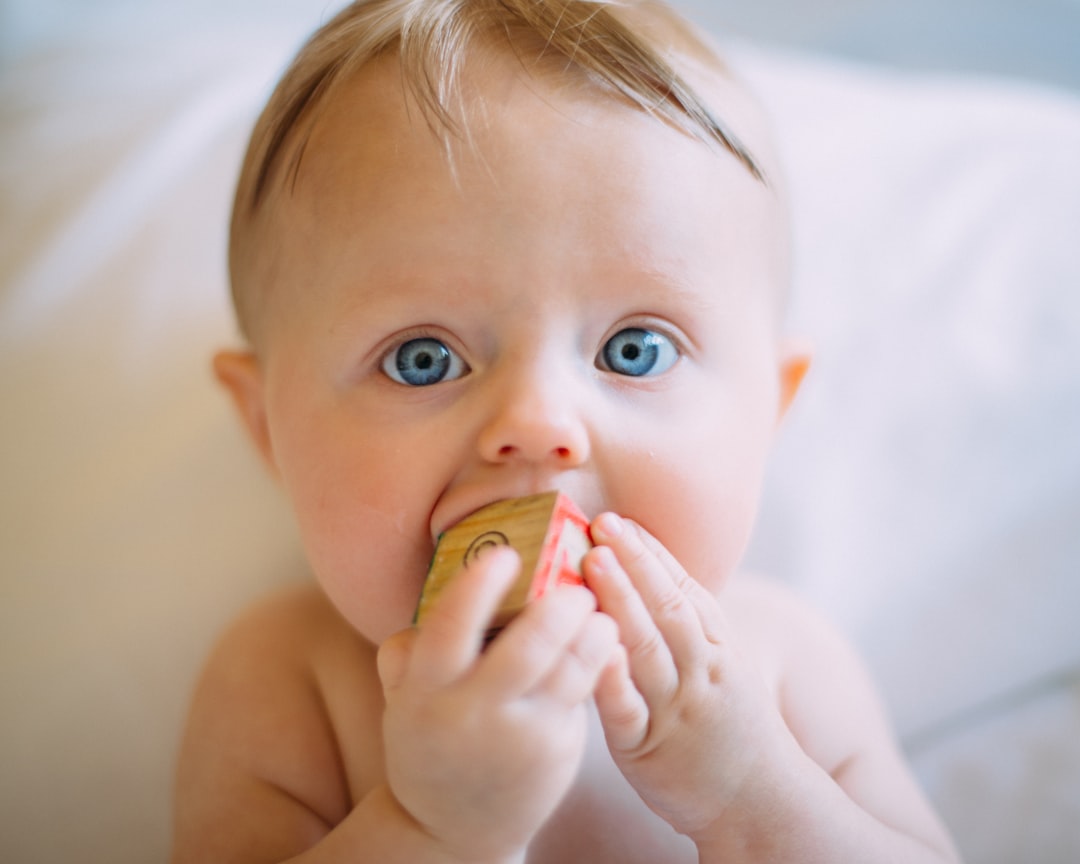
Baby teething: Montessori guide for Sotogrande families

Baby teething often begins when the first tooth comes through between 6 and 12 months, although every baby follows their own timetable. Baby teething is the process through which all 20 primary teeth emerge during the first few years. Drooling, tender gums and a desire to bite are common. However, a high fever or marked lethargy needs medical assessment.
Key points
- The first tooth usually comes through between 6 and 12 months, but there is a normal range of variation.
- Gentle cooling, pressure from a safe teether and close contact can soothe sore gums.
- Oral hygiene starts when the first tooth appears, using a child-sized toothbrush and suitable fluoride toothpaste.
- A temperature of 38 °C or higher should not automatically be attributed to teething.

Baby teething: when teeth come in and what is normal
The first teeth usually come through between 6 and 12 months. In many babies, the lower central incisors appear first, followed by the upper ones. The order can also vary without indicating a problem.
Baby teething can cause tender gums, increased saliva, a need to bite and irritability. Some children sleep worse for a few days, while others show hardly any discomfort. Families often search for “baby teething” when they are trying to distinguish a normal stage from an illness.
Baby teething and fever: when to seek advice
A temperature of 38 °C or higher, vomiting, persistent diarrhea, difficulty breathing, ongoing refusal of fluids or marked lethargy require medical advice. The recommendations of the American Academy of Pediatrics can help distinguish expected discomfort from symptoms that need medical attention.
Searching for “baby teething” should not lead you to normalize every symptom. If your baby seems unwell, has fewer wet diapers or has pain that is not improving, call your pediatrician and describe the temperature, how long it has lasted and any changes in behavior.

Baby teething: soothing discomfort without overprotecting
If you have searched for “baby teething”, start with simple measures: gentle cooling, controlled pressure on the gums and plenty of close contact. These steps often provide more relief than filling the day with products. They also allow your baby to take part in their own care.
What to do at home when your baby’s gums hurt
Offer a large, firm teether that is appropriate for your baby’s age, chilled in the refrigerator and never frozen. A clean, damp washcloth can also provide a pleasant texture. You can also massage the gums with a clean finger for a few seconds, always watching your baby’s response.
Do not turn every sign of discomfort into an emergency. Be present, put what is happening into words and let your child rest. Do not give medication, numbing gels or teething remedies without professional advice. Any treatment must be appropriate for your baby’s age and weight.
If your baby will be joining Nido (0-3) and you would like to learn more about the school environment in Sotogrande, book a personalized school visit and ask the admissions team your questions.

Caring for baby teeth from the very first day
When you search for “baby teething”, you also need to know how to care for your baby’s mouth. Baby teeth play an important role in eating, speech and mouth development. That is why oral hygiene starts with the first tooth, not when all the teeth have come in.
Your baby’s first teeth: toothbrush and toothpaste
Your baby’s first teeth should be cleaned with a small, soft, easy-to-handle toothbrush. Up to age 3, the amount of fluoride toothpaste is usually about the size of a grain of rice. From ages 3 to 6, the usual recommendation becomes a pea-sized amount, always with adult supervision.
It is best to schedule the first dental check-up when the first tooth appears or around the first birthday. Do not let your baby fall asleep with a bottle of milk or sugary drinks. Also, ask a professional about fluoride if your family lives in Sotogrande, San Roque or any other part of the Campo de Gibraltar.
A prepared environment for baby teething
A prepared environment offers safety, order and small opportunities for participation. At home, keep the clean teether somewhere accessible and store hygiene products at a height where you can control access. The Association Montessori Internationale places the child’s autonomy and observation at the heart of Montessori support.
When your baby’s first teeth appear, let them handle the toothbrush and watch you brush your own teeth. Then calmly finish the cleaning yourself. You can say “now we clean your teeth” and maintain a short, predictable routine without threats. It makes no sense, however, to demand perfect stillness from a tired baby.
What to avoid when baby teeth come in
Baby teeth need protection from day one, so avoid amber necklaces, bracelets and any object with small parts. These accessories can cause choking or strangulation. Do not put alcohol, sugar, honey or homemade substances on the gums.
Numbing gels and remedies with questionable ingredients are not an automatic solution either. There is nothing wrong with asking for help. If your baby will not eat or drink, cries inconsolably or develops new symptoms, contact your pediatrician or a pediatric dentist.
Frequently asked questions
At what age do babies get teeth?
Most babies get their first tooth between 6 and 12 months, although some get one earlier and others later without this indicating a problem or, by itself, reflecting their overall health. The lower central incisors usually appear first, but the sequence varies from child to child.
If you do not see any teeth within that period, discuss your baby’s progress at their pediatric check-up. Age alone cannot be used to assess overall development.
What can you give a baby for teething pain?
To soothe teething pain, offer a firm, safe teether, a clean, cool washcloth and close contact. Avoid medication or numbing gels without professional advice, and consult your pediatrician if the pain seems severe or does not improve, taking your baby’s age and weight into account.
The teether should be made from one piece and kept clean. Refrigerator-cold temperatures are enough to soothe the gums without injuring the tissue.
Does teething cause fever?
Teething can coincide with irritability, drooling and tender gums, but it does not on its own explain a high fever, vomiting, persistent diarrhea or marked lethargy. These signs therefore need medical assessment and should not automatically be attributed to teething.
A temperature of 38 °C or higher, not taking in enough fluids or difficulty breathing requires medical attention. In the meantime, offer frequent feeds and monitor your baby’s general condition.
Key conclusions
Teething is part of development, but it does not account for every symptom. Gentle cooling, close contact and early oral hygiene can help you get through this stage with less stress.
Prepare a safe teether, start brushing when the first tooth appears and seek advice if there is fever or lethargy. This allows you to support your baby respectfully and make informed decisions.
Viviane Dumont









